
featured News Trending

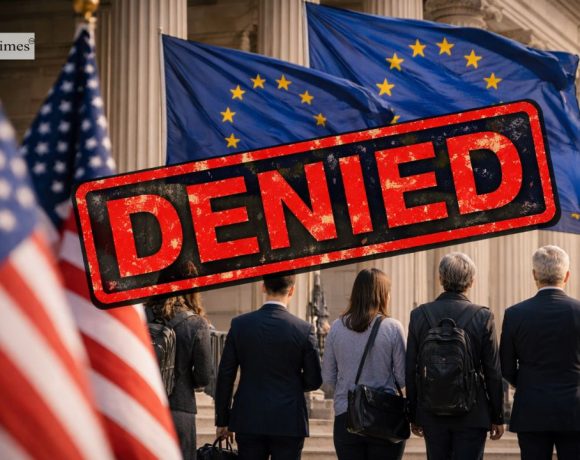
The European Union, along with France and Germany, strongly condemned U.S. visa bans on five European citizens, including former EU commissioner Thierry Breton, who have been involved in combating online hate and disinformation. Washington accused them of censoring free speech and imposing undue restrictions on U.S. tech companies, a move that European officials described as unjustified and an infringement on Europe’s legislative autonomy. French President Emmanuel Macron emphasized the importance of protecting Europe’s independence and the freedom of its citizens.

Breton, who helped design the EU’s Digital Services Act (DSA), faced particular scrutiny from the Trump administration. The DSA requires tech companies to tackle illegal content such as hate speech and child sexual abuse material, but the U.S. argued it unfairly targets American platforms and citizens. Previous disputes, including fines against Elon Musk’s X platform, have heightened tensions between Brussels and Washington over internet regulation and freedom of expression.

The visa bans also affected activists from the U.K. and Germany, with both countries expressing support and solidarity. German authorities called the bans unacceptable, noting that digital rules are determined in Europe, not Washington. British and international organizations described the U.S. actions as authoritarian and an attack on free speech, while the EU signaled it may respond decisively to what it views as a coercive measure undermining democratic norms.

Pic courtesy: google/ images are subject to copyright
featured News Trending

The United States has barred five European figures, including former EU commissioner Thierry Breton, from entering the country, accusing them of pressuring technology companies to censor or suppress American viewpoints. Secretary of State Marco Rubio said the individuals led organised efforts to coerce US platforms through regulations targeting disinformation, framing the move as a defence of free speech against foreign influence.

The visa bans are the latest step in the Trump administration’s pushback against European Union regulations such as the Digital Services Act (DSA), which seeks to curb hate speech and misinformation online. Washington argues that the law unfairly targets American companies and restricts free expression. Rubio described the actions of the targeted individuals and organisations as part of a broader campaign by “weaponised NGOs” and foreign states to impose censorship on US speakers and businesses.

Those named include Imran Ahmed of the Centre for Countering Digital Hate, HateAid leaders Josephine Ballon and Anna-Lena von Hodenberg, Global Disinformation Index head Clare Melford, and Breton, whom US officials labelled a key architect of the DSA. The move, which uses immigration law rather than sanctions, drew sharp criticism from those affected, with responses calling the decision authoritarian and an attack on free speech, even as European officials and activists warned of rising tensions over digital governance.

Pic courtesy: google/ images are subject to copyright
News Trending

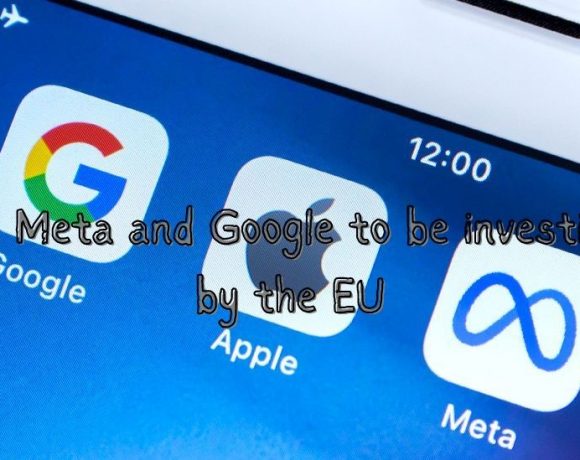
The European Union has initiated investigations into major tech companies such as Meta, Apple, and Alphabet (Google’s parent company) over potential violations of the Digital Markets Act (DMA) introduced in 2022. If found guilty, these companies could face fines of up to 10% of their annual turnover.

EU antitrust chief Margrethe Vestager and industry head Thierry Breton announced the investigations, focusing on allegations of anti-competitive practices by these tech giants. The DMA, which targets companies considered to be digital gatekeepers, aims to foster fair competition in the digital market.

The investigations are particularly focused on whether these companies are impeding fair competition, such as by limiting app communication with users, restricting user choice, or favoring their own services in search results. For instance, Apple faces scrutiny for its App Store policies, while Meta is being investigated for its advertising practices.

These investigations come shortly after Apple was fined €1.8 billion for competition law violations related to music streaming, and amid a landmark lawsuit in the United States accusing Apple of monopolizing the smartphone market.

Both Apple and Meta have responded, expressing willingness to engage with the investigation and asserting their compliance with the DMA. However, Alphabet has yet to comment on the matter.

The EU aims to complete the investigations within approximately 12 months, with a focus on ensuring open and contestable digital markets in Europe. The timing of these actions, just ahead of European Parliament elections, underscores the EU’s commitment to consumer protection and fair competition in the digital sphere.

Picture Courtesy: Google/images are subject to copyright