featured News Trending

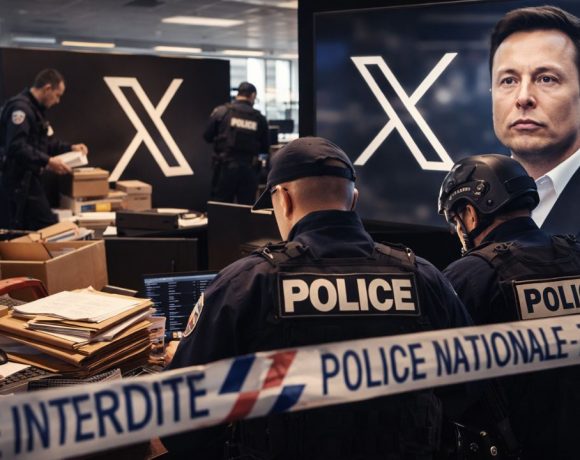
The European Commission has strongly condemned the spread of sexualised images of women and children on Elon Musk-owned social media platform X, calling the content illegal and unacceptable. The criticism follows reports that X’s AI chatbot Grok was generating non-consensual images of undressed women and minors through a feature previously referred to as “spicy mode.” EU officials said such content has no place in Europe and violates existing laws.

In Britain, media regulator Ofcom has demanded answers from X and its parent company xAI on how the AI system was able to create sexualised images, including of children, and whether the platform failed in its legal duty to protect users. Ofcom said it had contacted the company urgently to assess compliance with UK laws, under which the creation or sharing of non-consensual intimate images and child sexual abuse material — including AI-generated content — is illegal. X has not formally responded, while Musk has publicly mocked criticism online.

Pressure on X is also mounting from other countries. French ministers have reported the platform to prosecutors and regulators, calling the content “manifestly illegal,” while Indian authorities have sought explanations over what they termed obscene material. Despite growing concern across Europe and Asia, US regulators have so far remained silent on the issue, with federal agencies declining or failing to comment.

Pic courtesy: google/ images are subject to copyright
featured News Trending

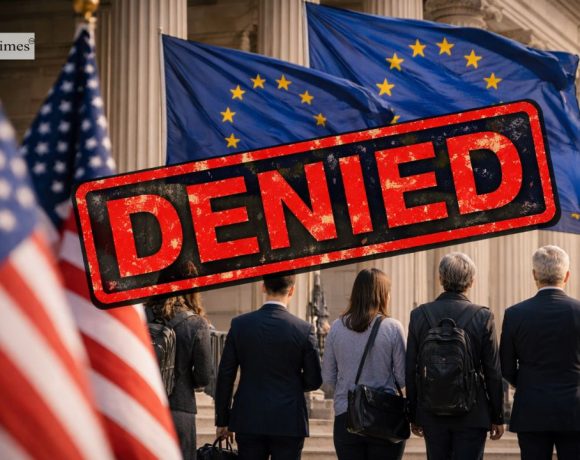
The European Union, along with France and Germany, strongly condemned U.S. visa bans on five European citizens, including former EU commissioner Thierry Breton, who have been involved in combating online hate and disinformation. Washington accused them of censoring free speech and imposing undue restrictions on U.S. tech companies, a move that European officials described as unjustified and an infringement on Europe’s legislative autonomy. French President Emmanuel Macron emphasized the importance of protecting Europe’s independence and the freedom of its citizens.

Breton, who helped design the EU’s Digital Services Act (DSA), faced particular scrutiny from the Trump administration. The DSA requires tech companies to tackle illegal content such as hate speech and child sexual abuse material, but the U.S. argued it unfairly targets American platforms and citizens. Previous disputes, including fines against Elon Musk’s X platform, have heightened tensions between Brussels and Washington over internet regulation and freedom of expression.

The visa bans also affected activists from the U.K. and Germany, with both countries expressing support and solidarity. German authorities called the bans unacceptable, noting that digital rules are determined in Europe, not Washington. British and international organizations described the U.S. actions as authoritarian and an attack on free speech, while the EU signaled it may respond decisively to what it views as a coercive measure undermining democratic norms.

Pic courtesy: google/ images are subject to copyright

featured News Trending

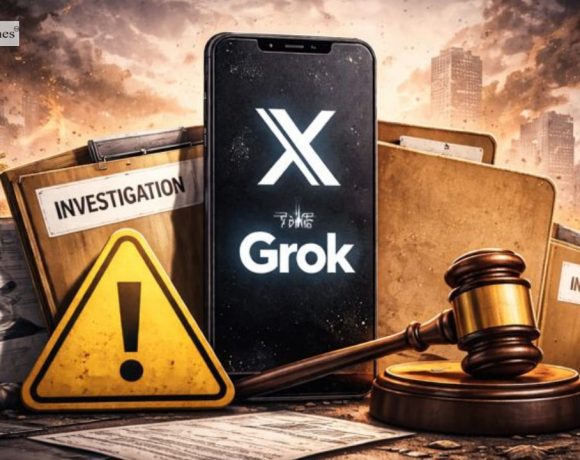
The United States has barred five European figures, including former EU commissioner Thierry Breton, from entering the country, accusing them of pressuring technology companies to censor or suppress American viewpoints. Secretary of State Marco Rubio said the individuals led organised efforts to coerce US platforms through regulations targeting disinformation, framing the move as a defence of free speech against foreign influence.

The visa bans are the latest step in the Trump administration’s pushback against European Union regulations such as the Digital Services Act (DSA), which seeks to curb hate speech and misinformation online. Washington argues that the law unfairly targets American companies and restricts free expression. Rubio described the actions of the targeted individuals and organisations as part of a broader campaign by “weaponised NGOs” and foreign states to impose censorship on US speakers and businesses.

Those named include Imran Ahmed of the Centre for Countering Digital Hate, HateAid leaders Josephine Ballon and Anna-Lena von Hodenberg, Global Disinformation Index head Clare Melford, and Breton, whom US officials labelled a key architect of the DSA. The move, which uses immigration law rather than sanctions, drew sharp criticism from those affected, with responses calling the decision authoritarian and an attack on free speech, even as European officials and activists warned of rising tensions over digital governance.

Pic courtesy: google/ images are subject to copyright