
featured News Trending

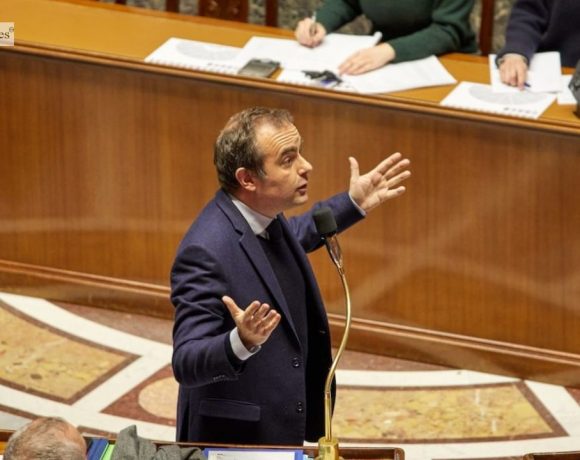
French Prime Minister Sebastien Lecornu announced that he will use Article 49.3 of the Constitution to pass the 2026 budget without a parliamentary vote, after securing enough support to survive an expected no-confidence motion. Lecornu expressed regret for going back on his previous promise to avoid this procedure but said it was necessary to finalize the centrist government’s deficit-cutting budget. The lower house is expected to approve the income side of the legislation before it moves to the Senate.

To gain Socialist backing while keeping conservatives from opposing, the government has increased support for low-income households, extended affordable university meals, and promised more affordable housing. Measures to fund these initiatives include extending a corporate surtax on large companies, projected to raise €8 billion. Socialist leader Boris Vallaud indicated that these concessions might prevent the need for a no-confidence vote.

France has faced political instability over the budget, losing two governments and risking a snap election. While neither major party is fully satisfied with the proposals, they are reluctant to trigger early elections ahead of the presidential vote. Hard-left France Unbowed has promised to file a no-confidence motion, though analysts say the final budget, with higher taxes and increased spending, may weigh on investment and economic growth in 2026.

Pic courtesy: google/ images are subject to copyright
News Trending

A legal adviser to the European Court of Justice has recommended a reassessment of the ruling that permitted Apple to evade €13 billion in back taxes. The original decision, overturned three years ago, alleged that the Irish government had provided Apple with illegal tax breaks. Advocate General Giovanni Pitruzzella contends that the previous ruling overlooked crucial legal errors and failed to adequately assess methodological mistakes that, according to the European Commission, tainted the tax rulings in Apple’s favor. Although this legal opinion is not binding, the court typically leans towards such recommendations in the majority of cases.

Apple responded to the recent development, with a spokesperson emphasizing that the initial ruling explicitly stated that the company received no selective advantage or state aid. The tech giant believes this position should be upheld. In 2016, the European Commission determined that Apple had received preferential treatment from the Irish government, resulting in a significantly lower tax rate compared to other companies. The Commission argued that this amounted to illegal aid granted to Apple by the Irish state and symbolized its efforts to combat what it perceived as significant tax avoidance by multinational corporations.

The Irish government has consistently argued against the repayment of back taxes by Apple, asserting that the country’s loss was justified in making itself an appealing destination for large companies. Ireland, with one of the lowest corporate tax rates in the EU, serves as Apple’s regional base for Europe, the Middle East, and Africa. While corporate tax rates fall under national jurisdiction, the EU wields substantial power in regulating state aid. In this case, the EU contended that Ireland, by applying very low tax rates to Apple, was providing an unfair subsidy.

Two years ago, the General Court, responsible for the initial ruling’s overturning, deemed the European Commission’s decision legally flawed. However, the recent recommendation from the advocate general suggests that this ruling itself may now face reconsideration, potentially reviving the debate over Apple’s back taxes.

Picture Courtesy: Google/images are subject to copyright