
featured News Trending

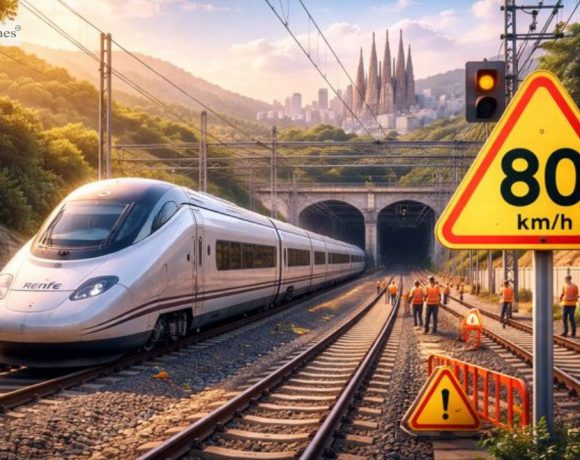
Spanish rail authorities have temporarily reduced the speed limit on a section of the high-speed line between Madrid and Barcelona after a crack was detected on the track 110 km west of Barcelona, between Alcover and l’Espluga de Francolí in Catalonia. Transport Minister Óscar Puente confirmed that the fault does not endanger trains, but the affected section will operate at 80 km/h until further notice, down from the usual 300 km/h.

The move follows several recent speed reductions on Spain’s high-speed network, including temporary cuts to 230 km/h on other parts of the Madrid-Barcelona line and sections of the Madrid-Valencia route. These adjustments come amid ongoing investigations into the Adamuz crash in Andalusia, which killed 45 people earlier this month due to a track weld failure, highlighting safety concerns across the network.

Meanwhile, local Rodalies services in Catalonia continue to experience severe disruption after multiple incidents, including a trainee driver’s death. Political opposition has criticized years of underinvestment, and Prime Minister Pedro Sánchez is scheduled to appear before Congress on February 11 to address the rail crisis.

Pic courtesy: google/ images are subject to copyright
featured News Trending

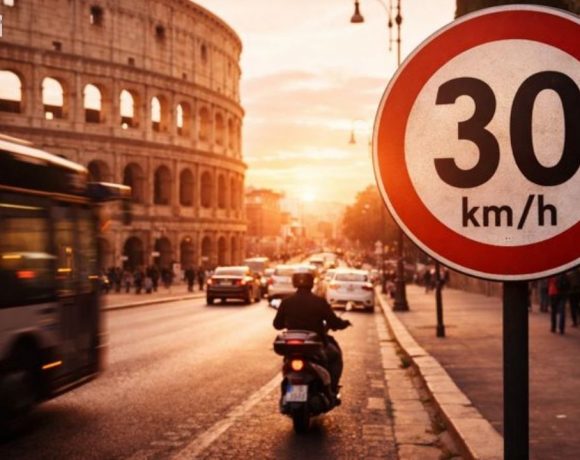
Rome has implemented a new 30 kph (19 mph) speed limit throughout its historic centre, joining other European capitals like London, Paris, and Brussels in efforts to make city streets safer. The reduced limit, nearly half of the previous 50 kph cap, aims to lower accidents and reduce pollution in areas crowded with cars, residents, and tourists. Authorities plan a gradual enforcement period of 30 days to help drivers adjust.

City transport chief Eugenio Patane emphasized that lower speeds save lives, noting that speeding contributes to 7.5% of road accidents in Rome. Similar initiatives in Bologna have shown promising results, with road accidents dropping 13% and fatalities falling by nearly 50% after introducing a 30 kph limit. Mayor Roberto Gualtieri has also expanded the number of speed cameras and encouraged alternatives to private cars to further improve safety and air quality.

Reactions among residents and drivers are mixed. Some, like scooter rider Barbara Barattolo, welcomed the change as a measure to reduce risks on busy streets. Others, including taxi driver Cristiano, criticized the limit as excessively low in certain areas. Authorities estimate the new regulation will cut noise levels in the city centre by around 2 decibels, addressing long-standing complaints about congestion and pollution.

Pic courtesy: google/ images are subject to copyright