
featured News Trending

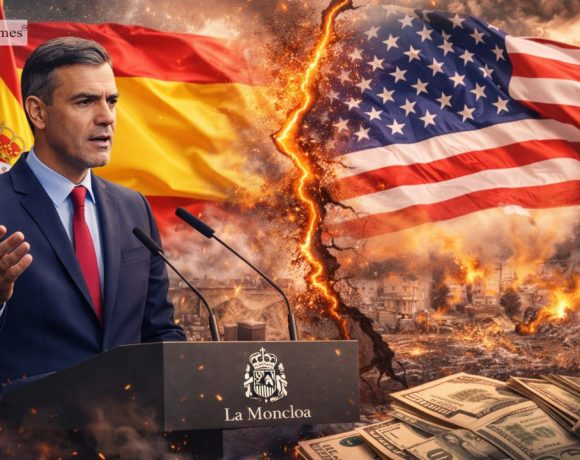
Antonio Tejero, the former Civil Guard officer who led Spain’s failed coup attempt on February 23, 1981, has died at the age of 93. Tejero stormed the Spanish parliament armed with a pistol, ordering lawmakers to the floor and holding them hostage for nearly 17 hours in a bid to reverse the country’s transition to democracy. The dramatic episode, broadcast in part by national television, became one of the most defining moments in modern Spanish history. His death in Alzira, Valencia, was announced by his family through their law firm.

A staunch loyalist of dictator Francisco Franco, Tejero opposed Spain’s democratic reforms following Franco’s death in 1975. The 1981 coup attempt tested the young constitution adopted just three years earlier. Then-King Juan Carlos I played a crucial role in quelling the uprising by delivering a televised address backing the elected government, a move widely credited with safeguarding Spain’s democracy. Tejero was later sentenced to 30 years in prison for his role in the plot.

Born in Malaga in 1932, Tejero rose quickly through the ranks of the Civil Guard but grew increasingly disillusioned as Spain embraced democratic governance. After an earlier failed conspiracy known as “Operation Galaxia,” he became a central figure in far-right opposition to political reforms. Released from prison in 1996, he lived largely out of the public eye, remaining unapologetic about his actions. The bullet holes from the shots fired during the 1981 coup attempt still mark the ceiling of Spain’s parliament, a lasting reminder of the fragile moment in the nation’s democratic transition.

Pic courtesy: google/ images are subject to copyright
featured News

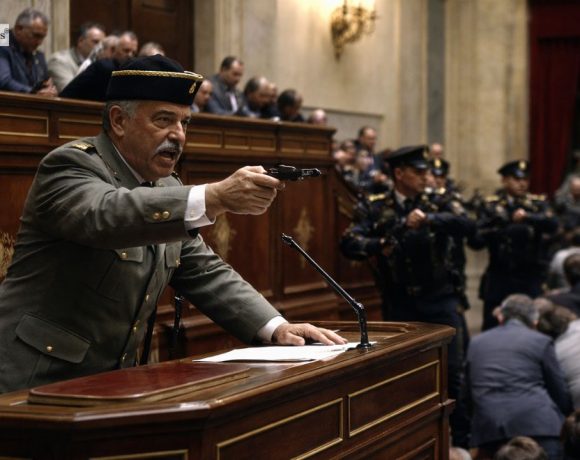
Fresh scrutiny has fallen on former Valencia regional president Carlos Mazón over an unexplained gap in his timeline on the day catastrophic floods killed 229 people in October 2024. While it was known he spent nearly four hours at lunch with journalist Maribel Vilaplana, new reports suggest their meeting may have continued beyond the restaurant, contradicting their earlier statements. The delayed emergency alert issued after 20:00 — when most victims had already died — has intensified public anger and led to Mazón’s resignation.

Court records show Vilaplana left an underground car park at 19:47, later than she claimed. Local reports now allege she drove Mazón to the regional government headquarters shortly before 20:00, raising questions about the 37-minute period when Mazón missed several calls and his movements remain unclear. Security footage confirms he arrived at the emergency agency only at 20:28. Other unverified accounts suggest he may have briefly gone home before returning to work. Mazón denies all claims that he was driven or made any detours.

As the investigation widens, Mazón and his team maintain that central authorities failed to provide timely information on the unfolding disaster. However, testimony from his own chief of staff indicates they were aware of the gravity of the situation hours before any action was taken. While Mazón cannot be charged due to parliamentary immunity, pressure is mounting from opposition figures who accuse him of hiding the truth about his actions during the deadly crisis.

Pic Courtesy: google/ images are subject to copyright
News Trending

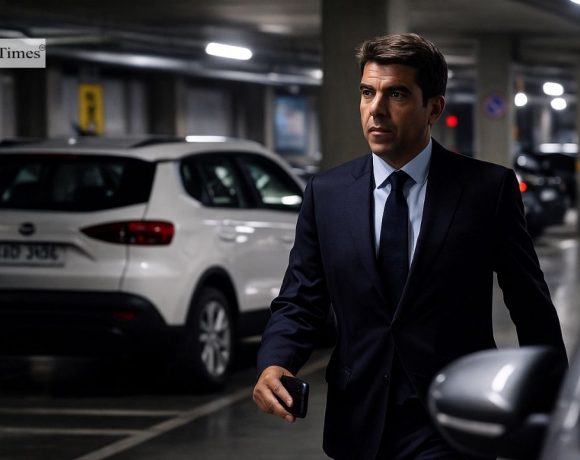
Spanish Prime Minister Pedro Sánchez has declared his intent to continue serving as the country’s leader, despite recent uncertainties surrounding his position. Last week, he announced the suspension of all official engagements following the initiation of a corruption inquiry into his wife. Sánchez denounced the allegations as part of a concerted effort by right-wing media to undermine him.

Sánchez’s decision to temporarily step back from his duties caught many by surprise, including members of his own Socialist Party (PSOE), who were unaware of his contemplation about his political future. Since assuming office in 2018, Sánchez has faced various challenges, but this recent development marked a significant moment of uncertainty for his leadership.

The accusations against Sánchez’s wife, Begoña Gómez, were lodged by the organization Manos Limpias (Clean Hands), which is led by Miguel Bernad, a figure associated with the far-right. However, on Thursday, the public prosecutor in Madrid recommended shelving the investigation due to a lack of substantial evidence. Additionally, Manos Limpias acknowledged that the allegations might be erroneous, as they were based on potentially false reports from online news sources.

Despite the tumultuous circumstances and the cloud of suspicion surrounding his wife, Sánchez’s resolve to remain in office underscores his determination to weather the political storm and continue leading Spain forward.

Picture Courtesy: Google/images are subject to copyright