featured News Trending

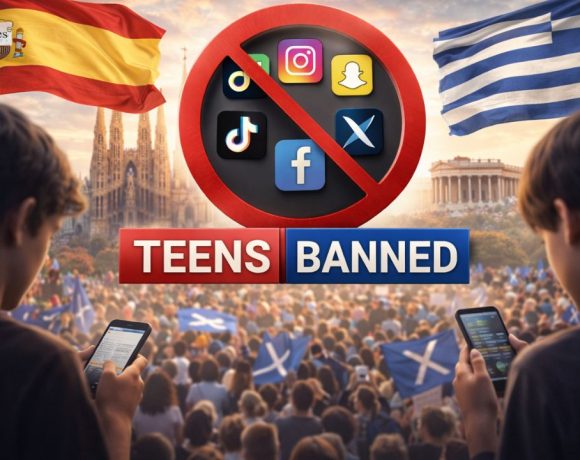
Spain and Greece are moving toward banning teenagers from using social media, reflecting growing concerns across Europe about the impact of online platforms on children. Spain plans to restrict social media access for users under 16, while Greece is expected to introduce a similar ban for those under 15. These proposals follow Australia’s landmark decision to block social media access for children under 16 and signal a broader global shift toward tighter digital safety rules.

Spanish Prime Minister Pedro Sanchez said the government would also introduce laws to hold social media executives personally accountable for hate speech and illegal content on their platforms. Spain has joined a group of European countries working together on cross-border digital regulations, aiming to enforce stronger content moderation and introduce effective age-verification systems to protect minors from harmful online exposure.

The debate has intensified due to concerns over excessive screen time, mental health risks, and the rapid growth of AI-generated content, including harmful or inappropriate material involving minors. While supporters argue the measures will improve child safety and social development, critics warn the rules could lead to censorship and restrict freedom of expression. Public opinion in Spain largely supports stricter controls, with surveys showing strong backing for banning younger children from social media.

Pic courtesy: google/ images are subject to copyright
featured News

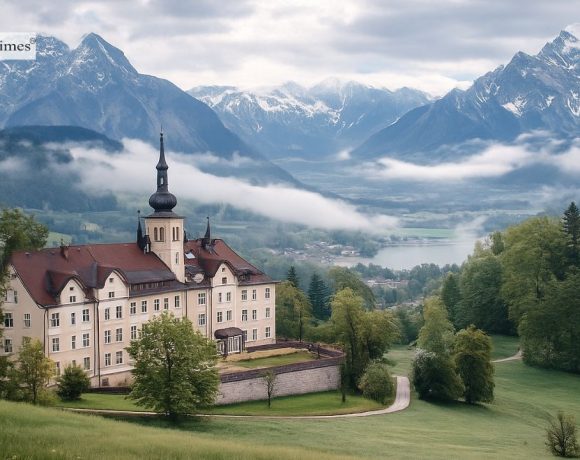
Three elderly Austrian nuns who left a Catholic care home and returned to their former Alpine convent have been told they may stay—but only if they give up social media. Sisters Bernadette (88), Regina (86), and Rita (82) had been removed from the Kloster Goldenstein convent in 2023, a move they say was against their will. After returning in September with the help of former students and a locksmith, the nuns rejected the Church’s initial terms, calling them a “gagging contract”.

The nuns have gained global attention after supporters began posting videos of their daily routines—from prayer sessions to Sister Rita’s exercise workouts—amassing nearly 100,000 Instagram followers. Their online popularity angered Church authorities, who now say the sisters may remain at the convent only if they stop posting online and restrict access to the private parts of the monastery. In exchange, the Church will continue providing medical and spiritual support.

In a statement, the nuns said they were open to discussion but insisted that giving up social media would deprive them of their “only protection” and lacked legal basis. The three have spent decades at Schloss Goldenstein, which served as a convent and school since 1877. Despite their community being formally dissolved in 2024, the sisters remain determined to stay in the place they have called home for most of their lives.

Pic Courtesy: google/ images are subject to copyright
featured News Trending

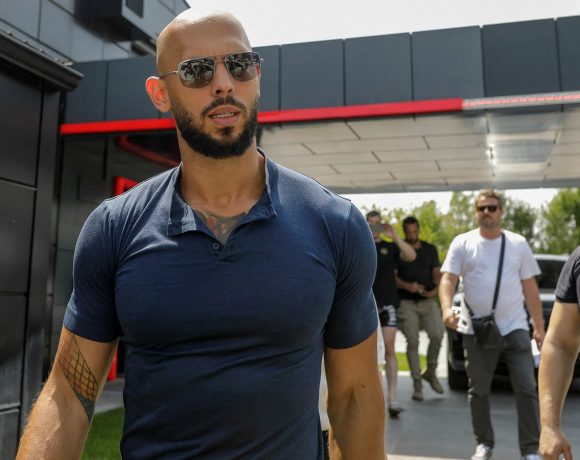
Controversial influencer Andrew Tate and his brother Tristan are now allowed to leave Romania but must remain within the EU, according to a ruling by a Bucharest court. Previously prohibited from leaving Romania while awaiting trial on charges of human trafficking, rape, and forming a criminal gang to sexually exploit women, the brothers deny all allegations. This decision, which the court may appeal, is seen by the brothers as a “significant victory and major step forward” in their case.

Their lawyer, Eugene Vidineac, praised the ruling as a “reflection of the exemplary behaviour and assistance” of his clients. He stated that Andrew and Tristan are determined to clear their names and reputations and are thankful to the courts for their trust.

Andrew Tate, who was previously banned from social media platforms for misogynistic views, posted on X (formerly Twitter), claiming that the “sham case is falling apart.” The Tate brothers, both former kickboxers and dual UK-US nationals, are accused of exploiting women through an adult content business that prosecutors allege operated as a criminal group. Alongside them, two female Romanian associates were also indicted, with seven alleged victims identified.

Andrew Tate insists that Romanian prosecutors lack evidence and asserts a conspiracy against him. The internet personalities are also wanted in the UK for alleged sexual offences. Over the past two years, the brothers faced movement restrictions, including police custody from December 2022 to April 2023, followed by house arrest until August, when they were placed under judicial control.

Picture Courtesy: Google/images are subject to copyright