

featured News

Paris Saint-Germain has been ordered by a French court to pay former striker Kylian Mbappe €60 million (£52.5m) in unpaid salary and bonuses. The ruling stems from a long-running contract dispute, with Mbappe initially seeking €263 million in damages while PSG counter-sued for €240 million. The court recognised that PSG failed to pay three months of his salary between April and June 2024, as well as an ethics and signing bonus.

Mbappe, who joined Real Madrid on a free transfer after seven seasons at PSG, had claimed ill-treatment and sought to legally modify his contract to an open-ended deal. The awarded sum primarily consists of bonuses rather than base salary, including the third instalment of his signing-on bonus and paid leave allowance. PSG will comply with the ruling, while retaining the option to appeal.

During his time at PSG from 2017 to 2024, Mbappe became the club’s all-time leading scorer with 256 goals in 308 appearances, winning 15 trophies. The dispute arose after Mbappe declined a move to the Saudi Pro League and refused a contract extension, leading to a protracted legal battle. PSG has expressed its intent to move forward, focusing on collective success and the club’s ongoing achievements without the forward.

Pic courtesy: google/ images are subject to copyright
News Trending

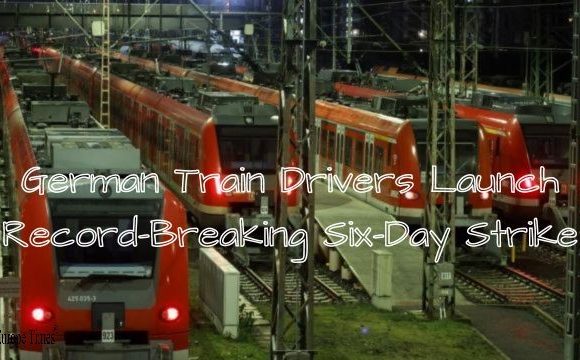
Train drivers across Germany have initiated a strike, set to endure six days, making it the longest stoppage in their history. The GDL rail drivers’ union called for the walkout, impacting both passenger and goods-train services starting at 02:00 on Wednesday. This move exacerbates an ongoing dispute with the state-owned Deutsche Bahn, leading to the fourth round of strikes since November.

The union’s demands include higher wages to counter inflation and a reduction in the working week from 38 to 35 hours without a salary decrease. Deutsche Bahn has implemented an emergency timetable until the strike concludes at 18:00 on Monday, affecting passenger trains for an unprecedented 136 hours, including a weekend for the first time. The strike has caused significant disruptions, with 80% of long-distance trains canceled and substantial delays in regional and suburban S-Bahn rail services.

The extended industrial action has prompted complaints from the rail company and ministers, asserting its adverse effects on both the German economy and the public. Tanja Gönner, head of the Federation of German Industries, estimated that the six-day strike could cost the economy up to €1bn. Transport Minister Volker Wissing urged the union to seek a compromise through mediation, acknowledging the current deadlock in negotiations.

Amid the strike, a YouGov survey revealed that only 34% of over 4,000 German adults understood the reasons behind the strike, while 59% expressed a lack of understanding. Talks between the GDL union and Deutsche Bahn have been ongoing since November, with the company rejecting the union’s proposal for a three-hour reduction in the working week. Instead, Deutsche Bahn suggested an optional model involving one hour less work with no pay cut or a 2.7% pay raise, an offer rejected by the GDL.

Picture Courtesy: Google/images are subject to copyright