
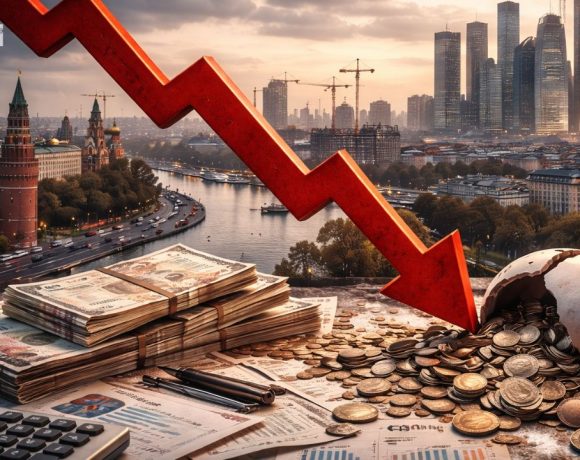
Russia’s capital city Moscow will reduce its investment programme for the first time since the COVID-19 pandemic, highlighting growing financial pressure across the country’s regional governments. Mayor Sergei Sobyanin said revenue growth in the first two months of the year slowed to 2%, far below the expected 6.5%, prompting the city to cut planned 2026 investments by 10% from 1.2 trillion roubles and reduce municipal staff by 15%.
The move reflects broader fiscal challenges in Russia as the war in Ukraine enters its fifth year. The country’s consolidated budget deficit, which includes both federal and regional accounts, widened sharply to 8.3 trillion roubles in 2025, or 3.9% of GDP—more than double the previous year. While the federal government maintains that national debt remains manageable, many regions are increasingly relying on expensive commercial bank loans as concessional federal funding declines.
Regional finances are also under pressure due to slowing economic growth and weaker corporate profits. Official data shows corporate profits fell 5.5% in the first eleven months of 2025, contributing to a rise in deficit-running regions from 50 to 74. Analysts warn that if economic growth does not recover, regional governments may be forced to cut spending on infrastructure and development projects while also coping with rising social and military-related expenditures.
Pic courtesy: google/ images are subject to copyright