
featured News

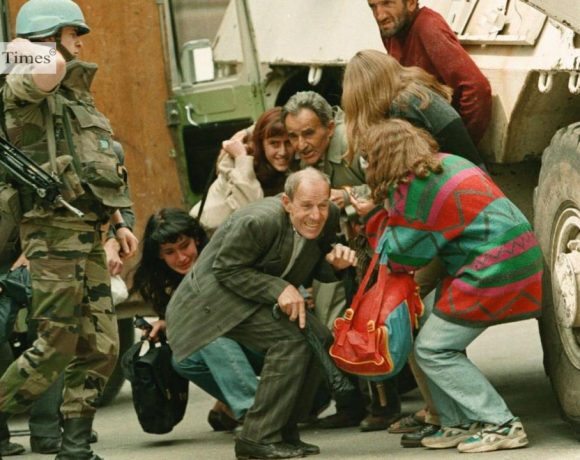
Italian prosecutors in Milan have launched an investigation into shocking allegations that wealthy tourists from Italy and other countries paid to shoot at civilians during the Bosnian war in the early 1990s. The so-called “sniper safaris” allegedly took place in the besieged city of Sarajevo, where participants reportedly paid varying amounts to target men, women, and even children from Serb-controlled positions overlooking the city.

The complaint was filed by Italian journalist and novelist Ezio Gavazzeni, who uncovered testimonies from Bosnian intelligence officers claiming that these “human hunts” were discovered in late 1993 and stopped months later after Italy’s military intelligence service, Sismi, was informed. Gavazzeni’s findings, supported by accounts from Sarajevo’s former mayor and evidence seen in the 2022 documentary Sarajevo Safari, suggest that individuals from several countries — including Italy, the US, and Russia — were involved.

Authorities in Milan, led by counter-terrorism prosecutor Alessandro Gobbis, are now examining the evidence under charges of murder. The investigation seeks to confirm whether Italian nationals participated in these paid killing sprees that took place during the brutal four-year siege of Sarajevo, which claimed over 11,000 civilian lives. Gavazzeni condemned the alleged acts as the “indifference of evil,” underscoring the moral depravity of those who treated a war zone as a hunting ground.

Pic Courtesy: google/ images are subject to copyright
News Trending

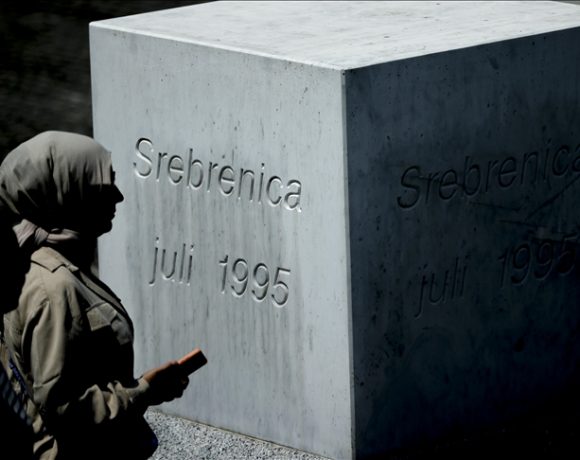
United Nations member states have voted to declare July 11 an annual day of remembrance for victims of the 1995 Srebrenica massacre, despite opposition from Serbia. The proposal, brought by Germany and Rwanda, aims to establish the “International Day of Reflection and Commemoration of the 1995 Genocide in Srebrenica.” While 84 member states voted in favor, there were 19 votes against and 68 abstentions.

Serbia’s President Aleksandar Vucic opposed the resolution, claiming it was politically motivated and could unfairly label Serbia and Serbs as collectively responsible for genocide. Vucic warned that this could lead to further resolutions on other genocides, potentially including those against Serbs during WWII by the Nazi-allied regime in Croatia.

The massacre, carried out by Bosnian-Serb forces under the command of Ratko Mladic, resulted in the systematic killing of over eight thousand Bosniak Muslim men and boys. The aftermath involved attempts to hide the scale of the massacre by exhuming and redistributing bodies, complicating identification efforts. The International Commission on Missing Persons used DNA technology to identify over seven thousand victims, praising the UN resolution for its acknowledgment and commemoration.

The resolution explicitly states that genocide convictions are against individuals, not entire ethnic or religious groups. In 2007, the International Court of Justice recognized the massacre as genocide but did not hold Serbia directly responsible, though it criticized Serbia for failing to prevent it. Serbia’s National Assembly condemned the massacre in 2010, and Vucic, as prime minister in 2015, visited Srebrenica to pay respects on the 20th anniversary.

Milorad Dodik, president of Bosnia’s Republika Srpska region, and other Serb nationalists deny that genocide occurred, sometimes glorifying Mladic. Dodik threatened secession if the resolution passed but claimed victory after the vote, citing the lack of an absolute majority as evidence of failure to label Serbs as a genocidal nation. His claims, however, serve more as political posturing than an accurate reflection of the resolution’s intent.

Picture Courtesy: Google/images are subject to copyright