featured News

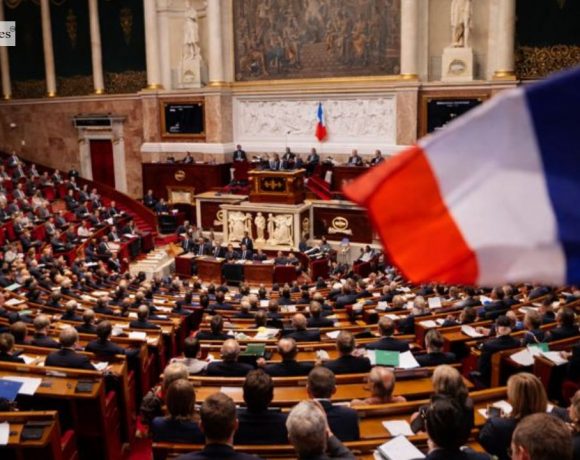
French lawmakers approved the 2026 social security budget in a tense vote, offering Prime Minister Sebastien Lecornu a short-term political victory but exposing deep fractures within the government. The bill passed by just 13 votes, emphasizing the fragile state of a parliament where no party holds a majority.

To secure Socialist support, Lecornu agreed to delay President Emmanuel Macron’s controversial 2023 pension reform until after the 2027 election. While the move ensured funding for healthcare, pensions and welfare, it triggered backlash from centrist and conservative allies who say the concessions are too costly and could push the country towards greater financial strain. The approved plan still leaves France facing a social security deficit near €20 billion, a system that represents more than 40% of public spending.

Despite the narrow win, tougher battles loom ahead as lawmakers prepare to vote on the broader state budget later this month. The government aims to cut the national deficit to below 5% of GDP, but with growing political hostility and no clear majority, another crisis remains likely. Recent budget disputes have already toppled multiple governments since Macron’s election setback last year.

Pic courtesy: google/ images are subject to copyright
featured News

German Chancellor Friedrich Merz narrowly secured parliamentary approval for a contentious pensions bill, passing it with 318 votes in the 630-seat Bundestag, despite internal rebellion from members of his own conservative bloc. The bill, which adds €185 billion to pension spending over 15 years and maintains pension levels at 48% of average wages until 2031, was a key coalition agreement with the centre-left SPD.

However, the tense vote exposed Merz’s shaky control over his ruling coalition, just seven months into his term. Several conservative lawmakers opposed the plan, calling it financially irresponsible and unfair to younger generations. Analysts warn that internal conflicts and governance challenges are damaging Merz’s authority and could hinder future economic and defence reforms, while fuelling a surge in support for the far-right AfD.

Merz has pledged broader pension reforms next year, including possible longer working years and delayed pension eligibility. Despite winning international praise for his stance on Ukraine, his domestic approval has fallen sharply to about 25%. Polls show declining support for both governing parties, reinforcing concerns that the coalition appears divided, ineffective, and increasingly unstable.

Pic courtesy: google/ images are subject to copyright

featured News

German Chancellor Friedrich Merz secured an absolute majority in parliament on Friday for his controversial pensions bill, overcoming resistance from younger members of his own conservative bloc. The draft, which guarantees current pension levels until 2031, passed with 319 votes, indicating it likely succeeded without the support of opposition parties.

The vote came after days of turbulence within Merz’s Christian Democratic Union/Christian Social Union (CDU/CSU) alliance. A youth faction inside the party had threatened to vote against the bill, arguing that it preserves an unsustainable system and places an unfair financial burden on future generations.

The dispute underscored growing questions about Merz’s control over his party and the stability of the coalition government, which includes conservatives and the center-left Social Democrats. Analysts say the internal tensions and reliance on a slim parliamentary majority point to challenges ahead for implementing reforms aimed at reviving Germany’s struggling economy and strengthening its neglected military sector.

Across Europe, pensions and generational fairness are emerging as hot political issues as aging populations strain budgets. Although Merz ultimately avoided the embarrassment of needing opposition support—despite a surprising offer from the Left Party to abstain—the infighting has deepened doubts about his ability to steer major legislation in the future.

Pic courtesy: google/ images are subject to copyright