featured News

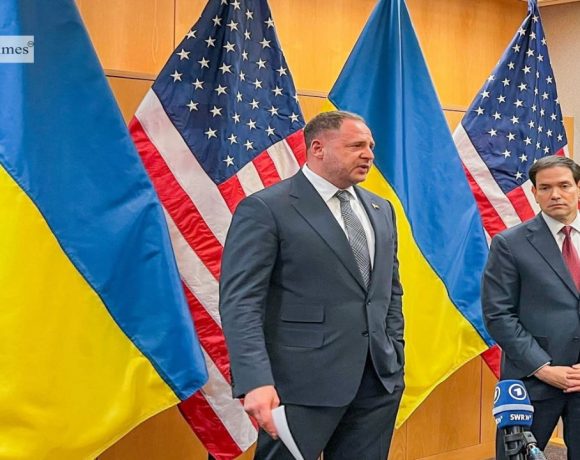
U.S. Secretary of State Marco Rubio said that closed-door peace discussions in Geneva on Sunday marked major progress towards a draft U.S. proposal aimed at ending the war in Ukraine. Speaking to reporters after meeting a Ukrainian delegation, Rubio described the session as the most productive since the administration took office, calling it “probably the best meeting and day we’ve had so far in this entire process.”

The talks are ongoing in Geneva and involve collaborative efforts to refine joint proposals, with participation expected from European partners. Andriy Yermak, Chief of Staff to Ukrainian President Volodymyr Zelenskiy, called the discussions “very productive,” confirming that another round of meetings would continue later on the same day. He expressed appreciation for U.S. support and diplomatic engagement.

Yermak publicly thanked the United States and President Donald Trump for their commitment to pursuing peace, echoing Zelenskiy’s earlier message of gratitude. The acknowledgment followed recent comments by Trump on social media suggesting Kyiv had shown insufficient appreciation for U.S. assistance. Both sides signaled optimism about advancing negotiations that could shape the next phase of diplomatic efforts.

Pic Courtesy: google/ images are subject to copyright

featured News

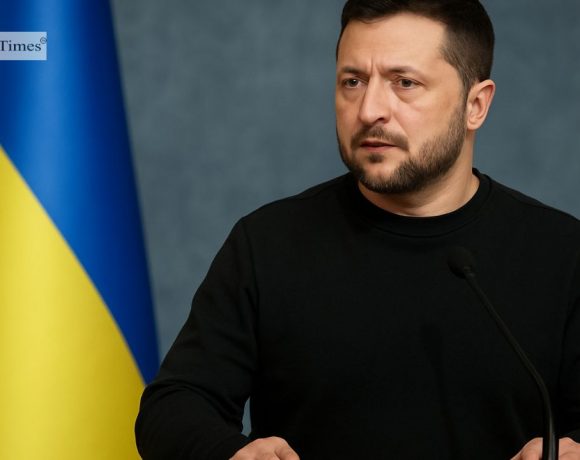
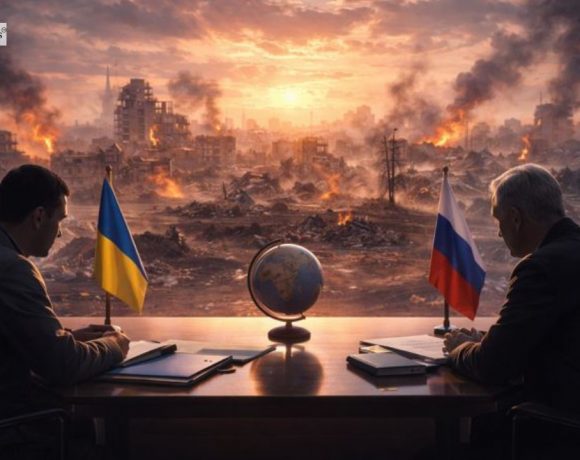
Ukrainian President Volodymyr Zelensky has said he is prepared to work with the United States on what he called “their vision” for ending the war with Russia, following reports of a leaked draft peace proposal shaped during meetings between US special envoy Steve Witkoff and Russian representative Kirill Dmitriev. The plan, which has drawn global attention, suggests Ukraine would cede parts of the Donetsk region still under its control, reduce the size of its military, and commit not to join NATO—terms Kyiv has previously rejected.

The White House insists Ukraine has been included in discussions, pushing back against criticism that negotiations happened behind its back. The draft emerged as Russia reported small territorial gains in eastern Ukraine and as Zelensky faces a domestic political crisis linked to a $100 million corruption scandal. In a televised address, Zelensky confirmed that US military officials had presented points of a peace proposal in Kyiv, stressing that Ukraine seeks a “real peace… one that will not be broken by a third invasion.”

The plan has triggered concern among European leaders, who say they were excluded from early talks. Germany’s foreign minister described the US proposal as only a “list of topics and options” rather than a complete agreement. While Washington claims the draft is balanced and acceptable to both sides, Kyiv maintains that any peace must protect Ukraine’s sovereignty and dignity. The debate unfolds as fighting continues, including recent deadly Russian attacks in Zaporizhzhia and Ternopil, and as the fourth anniversary of Russia’s full-scale invasion approaches.

Pic Courtesy: google/ images are subject to copyright
featured News Trending

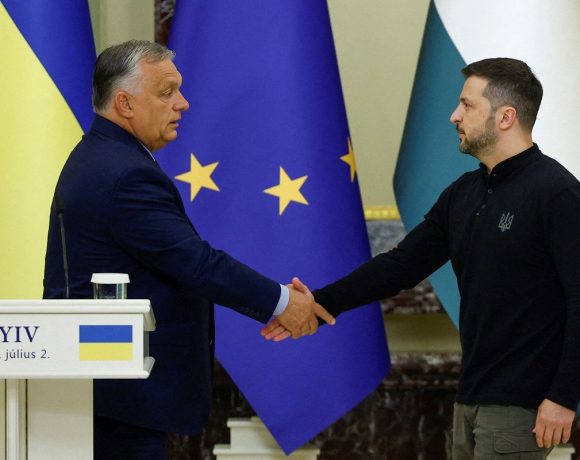
Viktor Orban arrived in Ukraine on Tuesday for an unannounced visit shortly after assuming the role of rotating president of the European Union. While in Kyiv, the Hungarian prime minister suggested that a ceasefire between Russia and Ukraine could expedite negotiations to end the ongoing conflict, which began with Russia’s full-scale invasion in 2022.

Orban, known for his critical stance on Western support for Ukraine and close ties with Russian President Vladimir Putin, has not visited Ukraine in 12 years but has met with Putin several times. During his joint appearance with Ukrainian President Volodymyr Zelensky, their body language was notably reserved, and neither took questions from the media.

Orban previously delayed the agreement on a €50 billion EU aid package meant to support Ukraine against Russia. However, his new role as head of the European Council for the next six months grants him significant influence as a European figurehead. He emphasized the need to resolve past disagreements and focus on future cooperation during his discussions in Ukraine.

Zelensky stressed the importance of maintaining Europe’s support for Ukraine and fostering meaningful, mutually beneficial cooperation among European neighbors. Orban highlighted the necessity of collaboration and proposed a ceasefire to hasten peace negotiations with Russia, expressing gratitude for Zelensky’s candid responses.

Orban stated that his visit underscored the importance of peace not just for Ukraine but for all of Europe, acknowledging the war’s profound impact on European security. Zelensky did not publicly respond to Orban’s ceasefire comments but later posted on X, emphasizing the significance of European unity and collective action. He described their discussion as focused on achieving a just, lasting, and fair peace.

Many Ukrainians view a ceasefire as potentially solidifying Russia’s control over seized territories and prefer negotiations from a position of strength. Ukrainian Foreign Minister Dmytro Kuleba expressed openness to working with all parties to solve problems, acknowledging the challenges but emphasizing the potential for tangible results.

During Orban’s visit, he and Zelensky also addressed bilateral issues, including the status of the 100,000 ethnic Hungarians living in Ukraine. Orban expressed optimism about progress on the rights of ethnic Hungarians and wished Ukraine success. The EU had initiated membership talks for Ukraine just before Hungary assumed the EU Council Presidency.

Picture Courtesy: google/images are subject to copyright