
featured News Trending

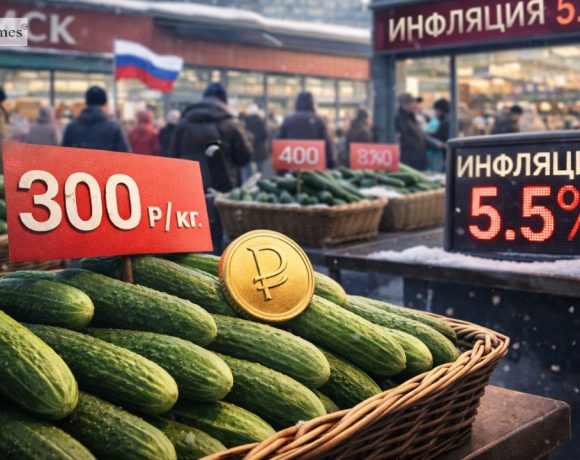
In Russia, the once-humble cucumber has become the latest symbol of rising living costs, with official data showing prices have doubled since December to more than 300 roubles per kilogram. Shoppers across cities such as Omsk have expressed anger as social media posts reveal even steeper mark-ups in some stores. The spike has drawn attention at a time when the country is grappling with economic strain linked to the prolonged war in Ukraine and broader inflationary pressures.

Under mounting criticism, Russia’s anti-monopoly regulator has sought explanations from producers and retailers. Politicians, including members of the ruling United Russia party, have voiced concern ahead of parliamentary elections. Sergei Mironov, leader of the A Just Russia party, mocked official claims that seasonality was to blame, comparing the situation to last year’s surge in potato prices and questioning how ordinary citizens are expected to cope with the rising cost of basic foods.

The price surge comes as overall inflation has climbed and the central bank forecasts annual inflation of up to 5.5%. With cucumbers now sometimes costing more than imported fruit like bananas, some Siberian supermarkets have limited purchases per customer, while one popular newspaper has distributed seeds encouraging readers to grow their own. Though authorities have managed similar price spikes in the past and there are no signs of widespread unrest, the episode underscores growing public anxiety over household expenses during a challenging economic period.

Pic courtesy: google/ images are subject to copyright
News Trending

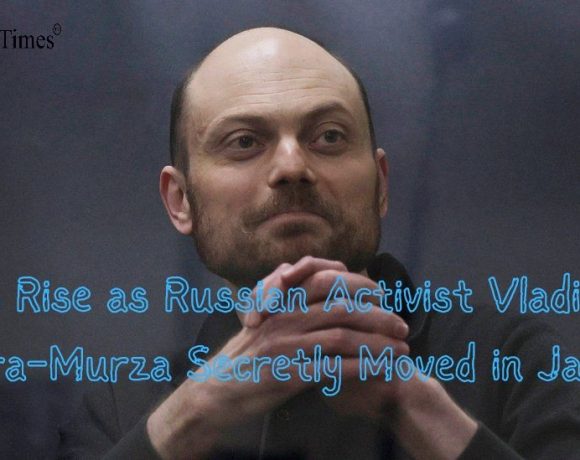
A lawyer representing Russian opposition figure Vladimir Kara-Murza, who was imprisoned on treason charges for criticizing the war in Ukraine, has disclosed that he has been relocated to another prison in Siberia’s Omsk region. Concerns for his safety heightened when Kara-Murza disappeared from his initial jail, prompting UK Foreign Secretary David Cameron to seek clarity on his whereabouts. Russian prison transfers are typically secretive and can take weeks.

Previously held in a penal colony in Omsk, Kara-Murza’s lawyers revealed that he was moved to a different penal colony in the same region. The British national, sentenced to 25 years in April for spreading “false” information about the Russian army and alleged affiliation with an “undesirable organization,” had been an outspoken critic of President Vladimir Putin and had played a significant role in advocating for sanctions against Russian officials for human rights abuses and corruption.

Kara-Murza’s wife expressed deep concern over his transfer, emphasizing that there were no apparent grounds for it. She highlighted the gravity of the situation, as her husband had previously survived two alleged assassination attempts in 2015 and 2017 through poisoning. The British government, along with the US State Department, condemned Kara-Murza’s sentencing and described him as a target of Russia’s escalating repression campaign.

The UK government summoned Russia’s ambassador and pledged to explore measures against those responsible for his detention and mistreatment. Kara-Murza, who holds British citizenship, received support from various quarters, including UK Foreign Secretary David Cameron, who demanded information about his whereabouts.

Picture Courtesy: Google/images are subject to copyright