
featured News

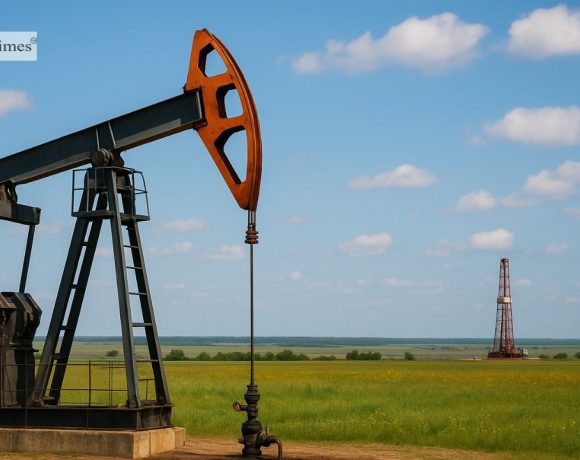
India’s imports of Russian oil may decline only temporarily, according to Kremlin spokesperson Dmitry Peskov, who said Moscow plans to increase supplies using advanced methods to counter Western sanctions. His remarks come ahead of President Vladimir Putin’s visit to New Delhi, where both nations aim to strengthen defence and energy partnerships as India’s Russian oil intake is expected to fall to a three-year low.

Peskov emphasised that Russia remains India’s top oil supplier and is working to create a secure environment for buyers despite U.S. and European restrictions targeting major Russian producers. He added that Moscow has long operated under sanctions and continues to refine technologies to bypass their impact. Payment mechanisms and protection of bilateral trade from third-country pressure will be key agenda items during Putin’s talks in India.

Meanwhile, Indian refiners have responded differently to the tightening sanctions. Companies like MRPL, HPCL and HMEL have halted Russian purchases, while IOC continues sourcing from non-sanctioned suppliers and BPCL is in advanced negotiations. Nayara Energy, partly owned by Rosneft, is processing only Russian crude as other suppliers withdraw, and Reliance says it will process pre-committed Russian cargoes already en route.

Pic courtesy: google/ images are subject to copyright

News Trending War

The Central Bank of Russia has raised its key interest rate to 15% in an effort to tackle inflation and support the struggling rouble, marking the fourth consecutive increase. The unexpected two-percentage-point hike was prompted by the persistently high global inflation rates, partly triggered by Russia’s military intervention in Ukraine, which has led to a 6% inflation rate in Russia as of September.

The country has been experiencing escalated government spending directed towards its military efforts, contributing to the recent inflationary pressures. With the latest hike, the Bank of Russia has cumulatively raised the rates by 7.5 percentage points since July, aiming to stabilize inflation at the targeted 4% level. The decision for the emergency rate hike in August was prompted by the rouble’s decline, which fell below 100 against the US dollar, necessitating a tighter monetary policy.

The global supply chain disruptions during the pandemic, coupled with the repercussions of Russia’s invasion of Ukraine, have notably impacted food and energy prices, driving the overall inflation up. Additionally, the imposition of Western sanctions on Russia in response to its actions in Ukraine has had adverse effects on the country’s economy, causing a significant depreciation of the rouble. The sanctions have led to constraints on Russia’s trade, with several European countries seeking alternative energy suppliers and implementing measures to limit Russia’s oil export earnings.

Despite the successive rate hikes, there are concerns that Russia may encounter challenges in attracting foreign investment due to the ongoing sanctions. The exclusion of Russia from the Swift international payment system has further added to the economic strain. Nonetheless, the European Commission has affirmed that the sanctions are effective in exerting pressure on Russia.

Picture Courtesy: Google/images are subject to copyright