
featured News Trending

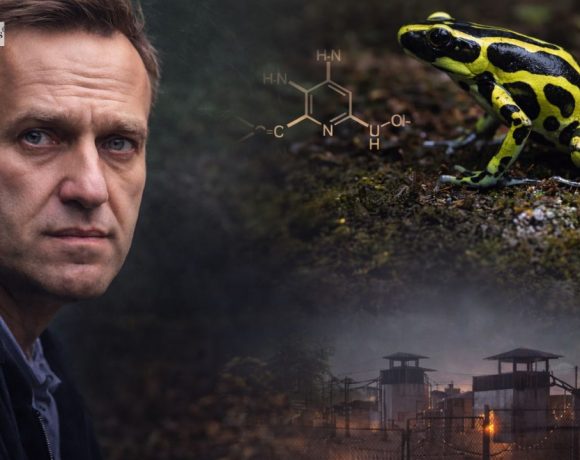
The UK and several European allies have accused Russia of killing opposition leader Alexei Navalny using epibatidine, a rare toxin derived from South American dart frogs. Speaking at the Munich Security Conference, UK Foreign Secretary Yvette Cooper said analysis of material samples found on Navalny’s body showed the presence of the toxin, arguing that only the Russian state had the means, motive and opportunity to deploy it during his imprisonment in a Siberian penal colony. A joint statement by the UK, France, Germany, Sweden and the Netherlands held Moscow responsible.

Epibatidine is an extremely potent neurotoxin, estimated to be far stronger than morphine, and can cause paralysis, seizures, respiratory failure and death. It is naturally found in certain wild dart frogs in South America and is not known to occur in Russia. The UK has informed the Organisation for the Prohibition of Chemical Weapons of what it describes as a breach of the Chemical Weapons Convention. Russia, through state media and officials, has dismissed the claims as part of an “information campaign”.

Navalny, a prominent anti-corruption campaigner and critic of President Vladimir Putin, died on 16 February 2024 at the age of 47 while serving a prison sentence. He had previously survived a Novichok poisoning in 2020 before returning to Russia, where he was arrested. His widow, Yulia Navalnaya, welcomed the latest findings, saying they confirmed her long-held belief that her husband had been poisoned and murdered.

Pic courtesy: google/ images are subject to copyright
featured News Trending

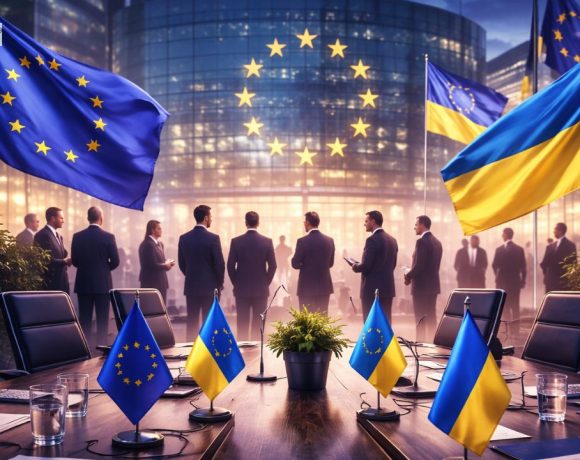
European Union foreign policy chief Kaja Kallas said EU governments are not prepared to give Ukraine a concrete date for joining the bloc, despite Kyiv’s push for one as part of future security guarantees. Speaking at the Munich Security Conference, Kallas said member states believe significant work remains before any timeline can be set, underlining that EU accession is a merit-based and lengthy process.

Ukraine, led by President Volodymyr Zelenskiy, has been pressing for a 2027 membership target, with diplomats saying the date was floated in discussions involving the European Union, the United States, and Ukraine as part of a broader peace framework. However, many EU capitals view any fixed date as unrealistic while Ukraine is still aligning its laws and institutions with EU standards amid an ongoing war with Russia.

Latvian President Edgars Rinkevics echoed Kallas’ remarks, saying there was little appetite among EU leaders to commit to a date and expressing scepticism about the prospects of an imminent peace deal. He added that any special arrangement for Ukraine would also need to consider long-standing candidates such as Western Balkans states and Moldova, while noting that opposition from Hungary continues to slow the launch of detailed accession talks.

Pic courtesy: google/ images are subject to copyright
featured News Trending

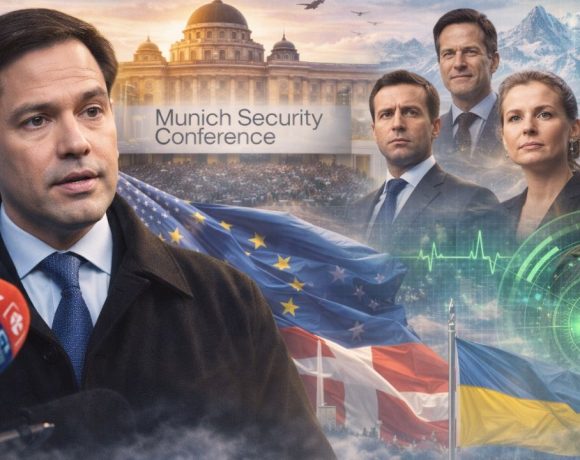
U.S. Secretary of State Marco Rubio has described a “defining moment” in global affairs as he arrived in Europe to lead the American delegation at the Munich Security Conference. His visit comes amid heightened transatlantic tensions following President Donald Trump’s renewed remarks about annexing Greenland. Rubio said the world was entering a “new era in geopolitics” that would require allies to reassess their roles and priorities within the evolving international order.

European leaders have responded with a mix of caution and resolve. Emmanuel Macron has urged Europe to prepare for greater strategic independence from the U.S., while NATO Secretary General Mark Rutte stressed that transatlantic ties remain vital. Danish Prime Minister Mette Frederiksen said she would meet Rubio to address U.S. comments regarding Greenland, as concerns grow over Washington’s long-term commitment to NATO and European security.

The conference agenda includes the war in Ukraine, tensions with China and prospects for a renewed U.S.-Iran nuclear deal. Ukraine’s President Volodymyr Zelensky said the gathering could yield “new steps” for shared European security. Meanwhile, German and British leaders, including Chancellor Friedrich Merz and Prime Minister Sir Keir Starmer, are expected to hold key discussions on defence spending and alliance cohesion, as policymakers navigate shifting geopolitical dynamics.

Pic courtesy: google/ images are subject to copyright