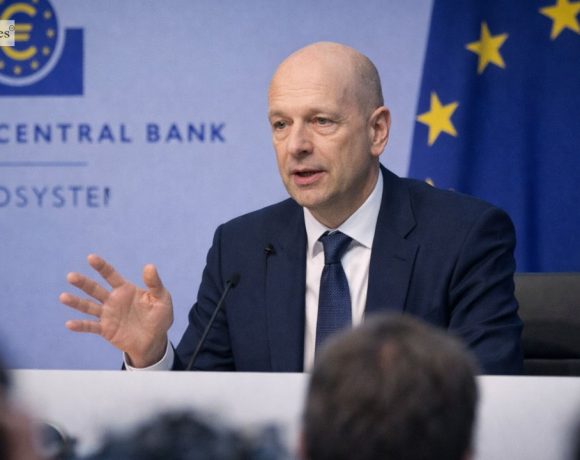
European Central Bank policymaker and Lithuanian central bank governor Gediminas Simkus said the ECB’s current policy stance is appropriate, with inflation at target and interest rates in a neutral zone, but warned that fresh shocks could disrupt this balance. Speaking to Reuters, Simkus highlighted persistent global uncertainty driven by geopolitical tensions, particularly the risk of Russian military aggression in eastern Europe, alongside trade frictions and other external pressures.
Simkus stressed that the ECB must ensure its systems are resilient to such risks, including safeguarding cash distribution and payment infrastructure in case of heightened security threats. He noted that countries bordering Russia face unique challenges, ranging from cyberattacks to airspace incursions, and argued that central banks must remain operationally prepared. He also added that banks need to be ready for longer-term risks such as climate change.
On monetary policy, Simkus said interest rates are firmly on hold at the ECB’s February meeting, as modest inflation fluctuations around 2% are normal. However, he cautioned against signalling future moves, saying the next rate change could equally be a hike or a cut. Emphasising flexibility, he said the ECB should avoid overreacting to short-term data swings and instead focus on broader economic trends, as shocks tend to affect growth before feeding into inflation.
Pic courtesy: google/ images are subject to copyright