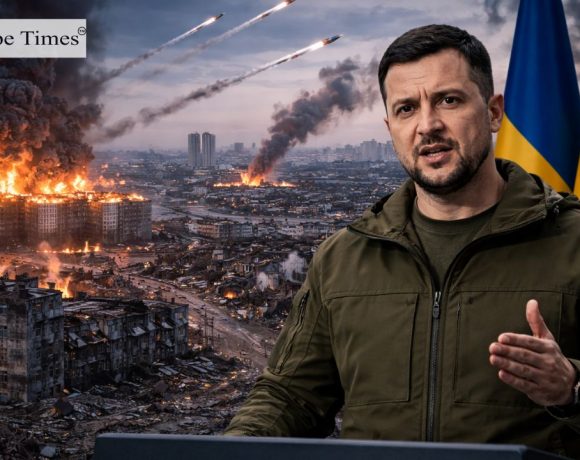
Ukraine’s President Volodymyr Zelenskiy warned that the coming spring and summer months will be challenging as the country faces growing pressure both on the battlefield and in diplomatic negotiations to end the war with Russia. He said international partners have urged Kyiv to scale back strikes on Russia’s oil sector due to rising global energy prices linked to the Iran conflict and Middle East tensions, while also noting that the United States is currently less focused on advancing Ukraine peace talks.
Zelenskiy stressed that Russia must halt its attacks on Ukrainian energy infrastructure if it wants de-escalation and resume trilateral peace negotiations mediated by Washington. He expects the political and military situation to remain difficult until at least September and called for stronger international pressure and sanctions on Russian oil, especially after temporary easing of restrictions during the Iran crisis.
In recent weeks, Ukraine has intensified attacks on Russian oil facilities, including major Baltic ports such as Ust-Luga and Primorsk, aiming to reduce Moscow’s energy revenues. Despite requests from partners to slow these strikes, Zelenskiy argued that Russia’s oil exports do not significantly impact global markets and insisted that meaningful diplomatic progress will only happen if Russia stops demanding control over Ukraine’s eastern Donbas region while fighting continues along the 1,200-km front line.
Pic courtesy: google/ images are subject to copyright