
featured News Trending

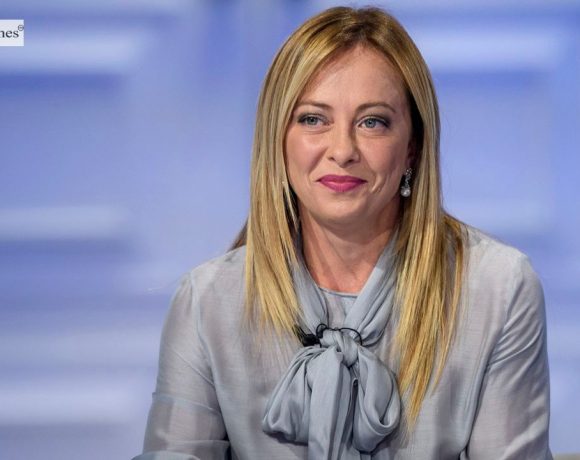
Italian Prime Minister Giorgia Meloni on Wednesday strongly criticised the U.S.-Israeli air strikes on Iran, calling them part of a dangerous global trend of unilateral interventions “outside the scope of international law.” Speaking to parliament, Meloni highlighted growing instability in the international system and compared the Middle East conflict to Russia’s 2022 invasion of Ukraine, warning that such interventions could have wider destabilising effects on global security.

Meloni emphasised that Iran must not be allowed to develop nuclear weapons, citing the potential collapse of the international non-proliferation framework and the dramatic security risks it would pose to Italy and Europe. While most European nations have largely refrained from criticising the U.S. and Israel directly, Meloni’s remarks signal a firmer stance by Rome amid ongoing air strikes that have disrupted around one-fifth of global oil and gas supplies.

To protect strategic interests and Italian citizens in the region, Meloni noted that Italy is providing air-defense assets to Gulf allies affected by Iranian strikes. She stressed that the deployment also safeguards approximately 2,000 Italian soldiers stationed in the Gulf, reflecting Rome’s dual concern for regional security and the safety of its nationals abroad.

Pic courtesy: google/ images are subject to copyright
featured News Trending

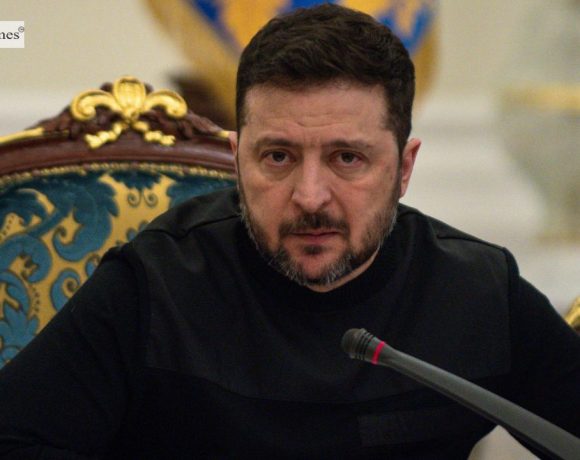
Ukrainian President Volodymyr Zelensky has sent military and intelligence teams to Qatar, the United Arab Emirates, and Saudi Arabia to assist in defending against Iranian drones, following U.S. and Israeli air attacks. Zelensky highlighted Ukraine’s extensive experience in countering attack drones, built over four years of defending against Russian strikes, and emphasized the importance of sharing this expertise to protect Gulf countries, Europe, and American allies.

Ukraine is offering both its interceptor drones and technical know-how, using mass-produced, cost-effective systems to neutralize incoming threats more efficiently than traditional expensive missiles. The initiative also involves key officials, including Rustem Umerov, secretary of Ukraine’s National Security and Defence Council, to finalize agreements with Gulf nations. Zelensky stressed that this cooperation comes with expectations that partners continue supporting Ukraine’s own air defense, including providing advanced systems like Patriot missiles.

The deployment of Ukrainian drone teams also serves diplomatic and strategic goals, strengthening ties with Gulf allies while generating potential revenue from drone sales. Zelensky expressed pride that multiple countries are now seeking Ukraine’s help, marking a reversal in roles where Kyiv’s expertise is now highly valued internationally, even as domestic needs for air defense remain urgent amid the ongoing conflict with Russia.

Pic courtesy: google/ images are subject to copyright
featured News Trending

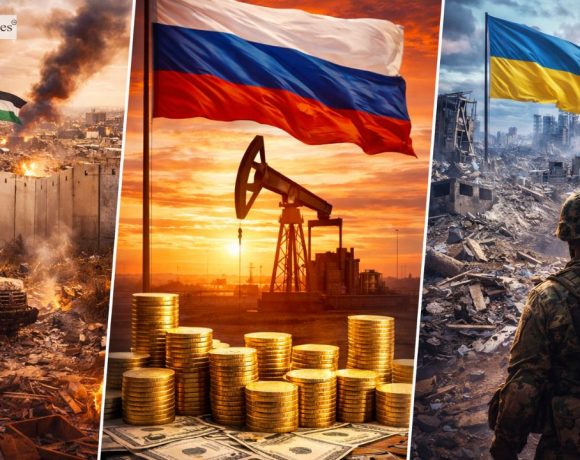
EU Council President Antonio Costa warned that Russia has emerged as the primary beneficiary of the ongoing Middle East conflict, profiting from soaring energy prices and reduced international attention on its war in Ukraine. Speaking to EU ambassadors in Brussels, Costa said Russia gains new resources to finance its operations in Ukraine while the diversion of military capabilities weakens support for Kyiv.

Costa emphasized the broader risks of the conflict, noting that the Middle East war diverts focus from Ukraine and threatens regional stability. He urged international actors to return to the negotiating table to prevent further escalation and protect human rights.

Highlighting the need to uphold global norms, Costa stressed that freedom and human rights cannot be achieved through military action alone. He called for the EU to defend the rules-based international order and avoid paths that endanger Europe, the Middle East, and beyond.

Pic courtesy: google/ images are subject to copyright
featured News Trending

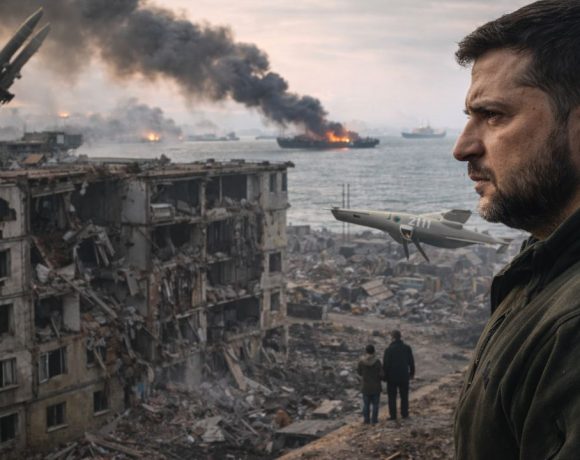
Ukrainian President Volodymyr Zelensky has cautioned that escalating conflict in the Middle East could undermine Ukraine’s ability to secure vital air defence systems as it battles Russia’s invasion. He warned that allies, particularly the United States, might divert critical weapons such as Patriot missile systems to protect their own interests or support partners in the Gulf. Zelensky also expressed concern that global attention could shift away from Ukraine, risking reduced political and military backing at a crucial stage of the war.

Kyiv fears that soaring demand for interceptor missiles in the Gulf could create shortages and drive up costs worldwide, complicating Ukraine’s efforts to defend its skies from Russia’s nightly drone and missile strikes. Zelensky recalled that during previous tensions involving Iran, deliveries of air defence systems to Ukraine slowed. At the same time, he acknowledged a potential upside: strikes on Iranian military facilities could limit Tehran’s capacity to supply drones and missiles to Russia, although Moscow now produces modified Shahed drones domestically.

Analysts suggest Russia could benefit from rising global oil prices triggered by instability in the Gulf, potentially strengthening its war finances. Some argue President Vladimir Putin is carefully avoiding deeper involvement in the Middle East to maintain relations with Washington and gain leverage in negotiations over Ukraine. In Kyiv, however, concerns are mounting that prolonged conflict elsewhere may deepen war fatigue among allies, adding to a sense of uncertainty and strain as Ukraine enters another year of full-scale war.

Pic courtesy: google/ images are subject to copyright
featured News Trending

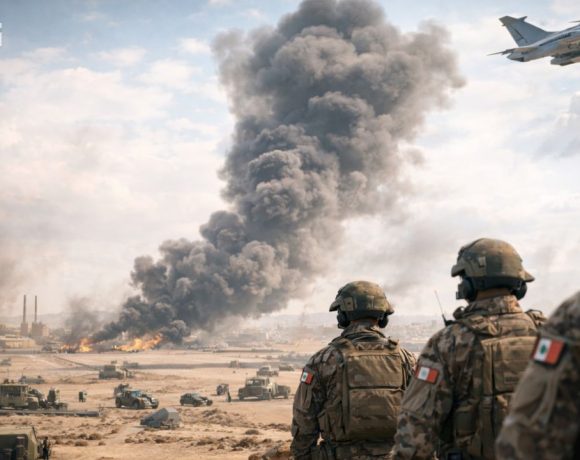
France has expressed readiness to assist Gulf countries targeted by Iranian retaliatory attacks, Foreign Minister Jean-Noel Barrot said after a crisis meeting in Paris. Barrot emphasized that any support would be proportionate and aligned with international law’s collective self-defense principles, responding to requests from regional partners.

The French minister criticized the initial Israeli and U.S. strikes on Iran as unilateral actions that should have been debated at the U.N. Security Council to gain legitimacy. He called for Iran to halt its attacks and accept political concessions to pave the way for peace in the region.

A drone strike on a French naval base in Abu Dhabi over the weekend caused limited damage, but no French casualties were reported. France’s statement highlights its commitment to regional security while advocating for diplomatic and multilateral approaches to conflict resolution.

Pic courtesy: google/ images are subject to copyright
featured News Trending

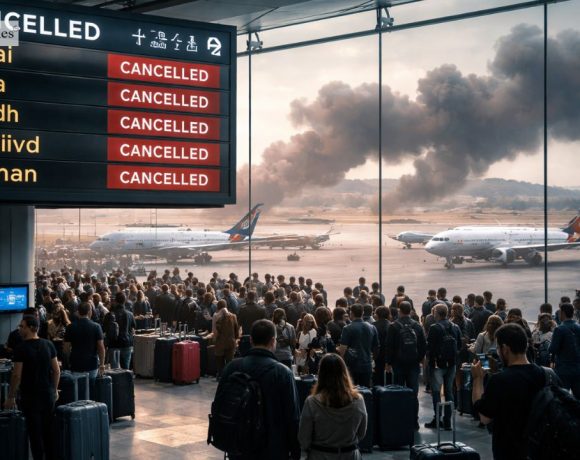
Global travel markets tumbled on Monday as escalating tensions between the U.S., Israel, and Iran forced closures of key Middle Eastern airports, including Dubai and Doha, leaving tens of thousands of passengers stranded. European travel giants such as TUI, Lufthansa, Air France-KLM, and IAG saw shares drop between 7–9%, while U.S. airlines fell around 5% in pre-market trading. Analysts cited flight cancellations, rerouting costs, and rising fuel prices as major pressures, despite hedging strategies.

Asian carriers were also affected, with airlines including Cathay Pacific, Singapore Airlines, Japan Airlines, Air China, and ANA Holdings suspending flights to the Middle East. Air India canceled routes to Europe, the U.S., and the Gulf, while Chinese airlines reported 26.5% of Middle East flights canceled for the week. Experts warned that disruptions could last for weeks, though broader schedule adjustments were still being monitored.

Passengers faced chaotic travel changes as Dubai and Doha airports, major international hubs, shut down. Travelers scrambled for alternatives, often with little guidance from airlines like Qatar Airways and Virgin Australia. The situation highlights the global ripple effect of geopolitical conflicts on aviation, travel demand, and logistics.

Pic courtesy: google/ images are subject to copyright
featured News Trending

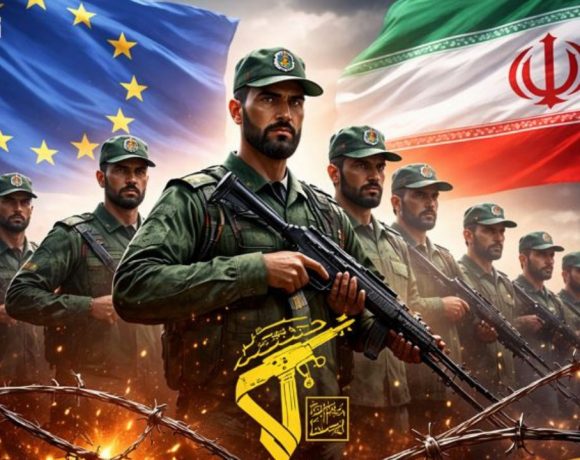
The European Union has added Iran’s Islamic Revolutionary Guard Corps (IRGC) to its list of terrorist organisations, citing the group’s central role in a deadly crackdown on anti-government protests. EU foreign policy chief Kaja Kallas said the move was a response to widespread repression, placing the IRGC alongside groups such as al-Qaeda and Islamic State. Iran condemned the decision, calling it a “strategic mistake”, while human rights groups say thousands of protesters were killed during unrest in December and January.

France, which had previously been cautious over the move due to concerns about severing diplomatic ties with Tehran, backed the decision this week, alongside Italy and other EU states. The bloc also imposed new sanctions on six Iranian entities and 15 senior officials accused of involvement in violent repression, including Iran’s interior minister and senior judicial figures. Those listed face travel bans and asset freezes under EU rules.

The decision comes amid rising tensions between Iran and the West, as the US increases its military presence in the region and pushes Tehran to negotiate over its nuclear programme. US President Donald Trump said he hoped to avoid military action but warned Iran to engage in talks, while Iranian officials said their forces were ready to respond to any aggression. Independent groups estimate the death toll from the protests could exceed 20,000, though Iran disputes those figures.

Pic courtesy: google/ images are subject to copyright
featured News Trending

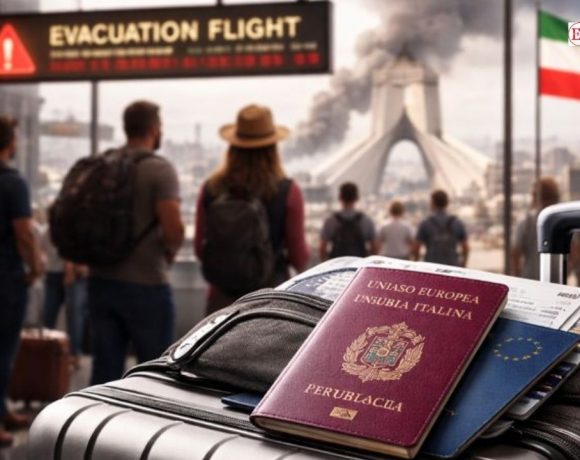
Italy has renewed a strong appeal urging its citizens to leave Iran due to growing security concerns, the foreign ministry said on Wednesday. Around 600 Italians are currently in Iran, most of them based in Tehran, according to the ministry, which said the warning reflects the deteriorating situation in the country.

The appeal comes as Iran’s leadership struggles to contain its most serious domestic unrest since the 1979 Islamic Revolution, amid rising international tensions. Tehran has sought to deter repeated threats of U.S. intervention voiced by President Donald Trump in support of anti-government protesters, adding to regional instability.

Italy’s foreign ministry also said precautionary measures were being taken to protect more than 900 Italian military personnel deployed across the region, including about 500 in Iraq and 400 in Kuwait. Foreign Minister Antonio Tajani chaired a high-level meeting with diplomats, defence officials and intelligence representatives, reaffirming Italy’s condemnation of the violent repression of protests in Iran and what it described as serious human rights violations.

Pic courtesy: google/ images are subject to copyright

News Trending

Two contrasting accommodation options were presented for the G7 summit in Puglia, Italy: the luxurious Borgo Egnazia resort, known for hosting celebrities like Madonna and the Beckhams, and a deteriorating ship moored off Brindisi for the 2,600 police officers, criticized for its appalling conditions. The resort houses world leaders, while the ship, costing the Italian government €6m and now under fraud investigation, exemplifies the disparity in treatment.

Italian Prime Minister Giorgia Meloni, buoyed by her party’s success in the European elections, hosts the summit, highlighting Italy’s newfound political stability compared to other G7 nations facing political turmoil. Meloni’s government is portrayed as the strongest amidst leaders like Biden, Sunak, and Trudeau, who are struggling domestically.

Low expectations surround the summit due to the precarious political climate in many G7 countries. However, a significant plan to loan Ukraine $50bn from frozen Russian assets is anticipated. Additionally, Sunak will announce substantial support for Ukraine’s energy and humanitarian needs.

Sessions will address the climate crisis, investment in Africa, the Middle East ceasefire, and AI regulation, with Pope Francis attending for the first time. Efforts to broaden global consensus include inviting leaders from Brazil, Turkey, Saudi Arabia, and Algeria. Locals in Puglia, like ice-cream maker Vincenzo Iannacone, express pride and excitement for the summit, hoping it brings positive attention to their region.

Picture Courtesy: Google/images are subject to copyright
News Trending

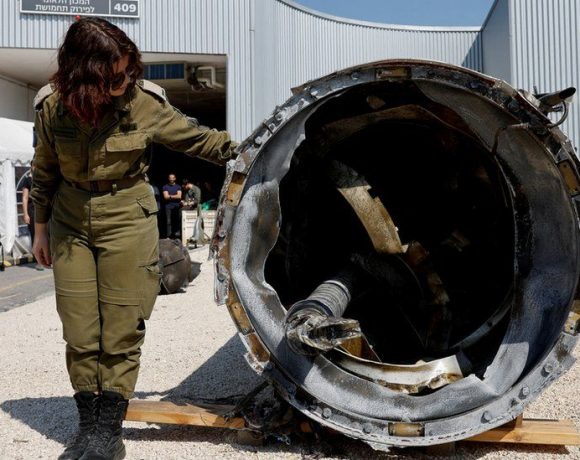
The European Union has expanded sanctions on Iranian drone and missile producers in response to Iran’s recent attack on Israel. European Council President Charles Michel stressed the significance of further isolating Iran, highlighting the need for decisive action.

These new sanctions build upon existing measures implemented by the EU, including penalties for Iran’s involvement in supplying drones to Russia. The decision to escalate sanctions was reached during a summit in Brussels, marking the first gathering of the bloc’s leaders since the attack on Israel.

In the wake of Iran’s assault, which involved a barrage of over 300 missiles and drones from multiple countries, the international community has urged restraint to prevent the situation from spiraling into a wider conflict. Despite calls for caution, Israel has not ruled out a potential response to the aggression.

German Chancellor Olaf Scholz emphasized the importance of de-escalation following the summit, encouraging Israel to leverage diplomatic channels to strengthen its position in the region. Scholz’s remarks reflect a broader sentiment among global leaders to mitigate tensions in the volatile Middle East.

Meanwhile, Israel has appealed to its allies to take robust action against Iran, advocating for sanctions on Tehran’s missile program and the designation of the Islamic Revolutionary Guard Corps (IRGC) as a terrorist organization. However, the EU and UK have not yet followed the United States in designating the IRGC as such.

In addition to EU sanctions, the United States is also considering imposing new penalties on Iran. US Treasury Secretary Janet Yellen highlighted the potential for disrupting Iran’s terrorist financing and targeting its oil exports as areas of focus. Furthermore, US National Security Advisor Jake Sullivan affirmed that Iran’s missile and drone programs, alongside the IRGC and Iranian defense ministry, would be subject to forthcoming sanctions.

Picture Courtesy: Google/images are subject to copyright