featured News

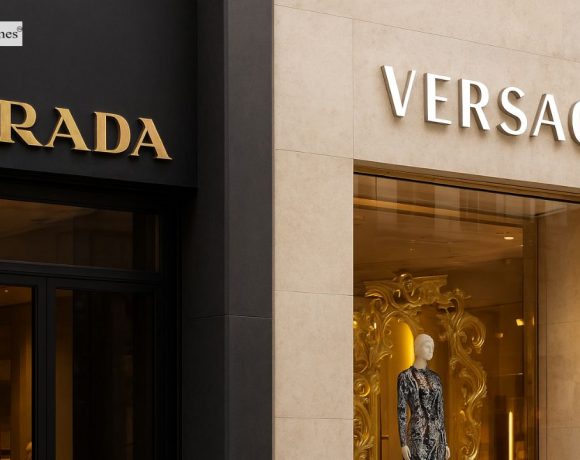
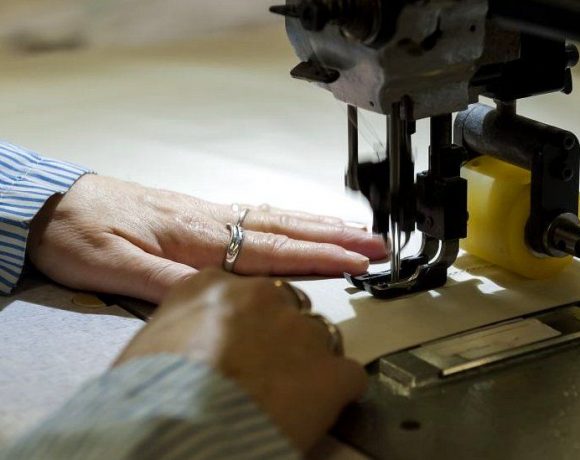
Italian police visited the headquarters of 13 major fashion brands, including Dolce & Gabbana, Versace, Prada, and Gucci, requesting documents on governance and supply-chain controls. The action is part of an investigation into alleged worker abuse at subcontractors, although none of the companies are under formal investigation or subject to court-appointed administration, judicial documents show.

The brands were linked to the probe after garments and subcontracting records connected to them were found in Chinese-owned workshops previously investigated in Milan. Authorities aim to assess the companies’ involvement in labour exploitation and whether their compliance systems adequately prevent such abuses. Companies will have the opportunity to address any issues internally before prosecutors consider further measures.

The move comes amid broader efforts by the Italian government to safeguard the reputation of “Made in Italy” fashion. Industry Minister Adolfo Urso recently proposed a bill for legal certification of fashion supply chains, allowing brands to pre-emptively prove compliance and protect Italy’s luxury sector, which accounts for more than half of global luxury goods production.

Pic courtesy: google/ images are subject to copyright
featured News

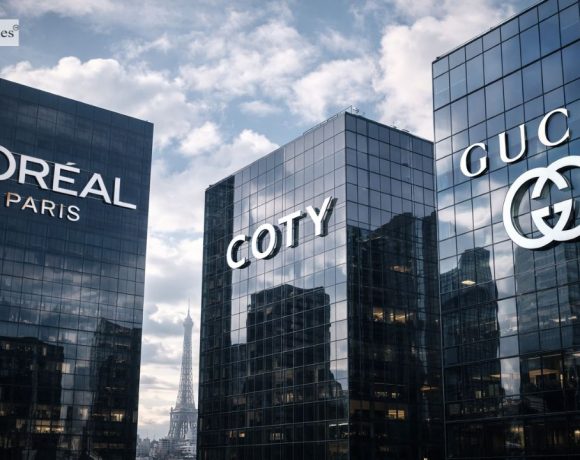
Prada has officially acquired Versace in a landmark deal worth $1.38bn (£1.04bn), bringing two iconic Italian luxury labels under one umbrella. The purchase price is significantly lower than the nearly $2bn paid by Versace’s former owner, Capri Holdings, in 2018. With this acquisition, Prada strengthens its portfolio—already home to brands like Miu Miu—as competition intensifies against giants such as LVMH, which owns Louis Vuitton, Dior, and Fendi.

The sale comes after a challenging period for Versace. Its long-time creative chief Donatella Versace stepped down in March, ending a 27-year tenure that began after the death of her brother Gianni. She was succeeded by Dario Vitale, previously a design director at Miu Miu. Under Capri Holdings, the brand moved away from its signature ornate aesthetic toward minimalism while raising prices, a strategy that coincided with slowing sales across Capri’s portfolio, including Michael Kors and Jimmy Choo.

Prada said it received all necessary regulatory approvals to finalize the deal. Capri Holdings noted that proceeds will be used to significantly reduce debt, improving its financial position. Prada CEO Andrea Guerra has expressed confidence in Versace’s long-term potential, saying the brand’s next chapter will require “disciplined execution and patience” as it integrates into the Prada Group.

Pic courtesy: google/ images are subject to copyright

featured News

Indian entrepreneur Dr. Ajit Ravi has introduced an exceptional addition to global luxury fashion through Alcazar’s ultra-exclusive T-Shirt collection. Crafted with precision and limited to just six pieces per size — 36 in total worldwide — the collection is positioned as a high-value identity statement, beginning at a base price of ₹25,000.

Dr. Ajit Ravi, Founder, Alcazar Luxury Brand

Reserved strictly for individuals with verified wealth exceeding ₹100 crore, each Alcazar T-shirt includes a unique digital and physical identity code, accompanied by a one-year recognition feature on the official Alcazar website. This model transforms ownership into a personalised, collectible experience.

With its elite positioning, scarcity-driven philosophy, and strong Made in India craftsmanship, Alcazar brand continues to impress international markets, reaffirming its place among the world’s most selective luxury houses.

News Trending

France is introducing a bonus scheme to encourage consumers to repair their clothes and shoes rather than discarding them. Starting in October, customers will receive discounts ranging from €6 to €25 per repair.

Bérangère Couillard, the junior ecology minister, expressed concerns about the 700,000 tonnes of clothing that end up in French landfills annually. The government plans to allocate €154 million over five years to fund the program. The aim is to support the repair sector, create job opportunities, and combat the issue of “fast fashion.”

The scheme will offer rebates for various repairs, such as €7 for a new heel and €10-€25 for new lining in garments. Refashion, a group responsible for implementing the initiative, revealed that 3.3 billion clothing items were sold in France last year. However, some critics argue that the government is unfairly stigmatizing the clothing industry and wasting public funds. Pascal Morand of the Haute Couture and Fashion Federation expressed concerns about the potential impact on luxury brands.

In addition to the bonus scheme, France plans to introduce new labeling rules from January 2024. These rules will require manufacturers to disclose the environmental impact of their products, including water usage, chemical usage, the risk of microplastic emissions, and the use of recycled textiles. The fashion industry is a significant sector in France, generating €66 billion in turnover last year and employing thousands of people.

While France is the EU’s fourth-largest fashion exporter, the industry has experienced a decline in recent years. In 2020, French consumers spent an average of €430 on clothing, which is below the EU average.

Picture Courtesy: Google/images are subject to copyright