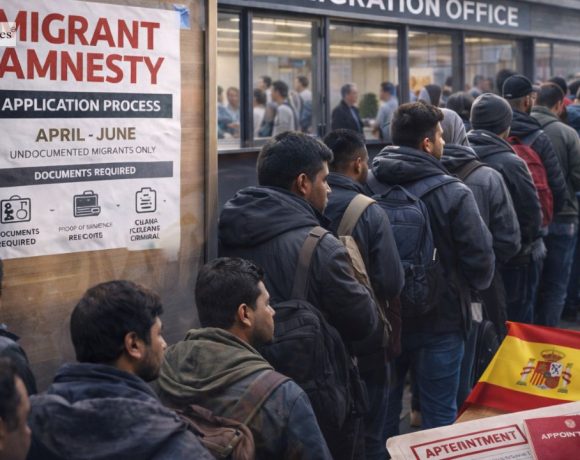
Spain’s upcoming migrant regularisation drive, aimed at granting legal status to around half a million undocumented migrants, has already strained immigration offices and sparked anxiety among applicants. The government announced the programme last month, but a lack of detailed guidance, funding, and staffing has left both migrants and frontline workers uncertain about the process and timeline. Union leaders warn that without additional resources, the initiative could face significant delays or fail at launch.
The Spanish government plans to run the programme from April to June, allowing migrants with clean criminal records and at least five months of residence or prior asylum applications to qualify. However, essential details on required documentation and procedures remain unclear. As a result, migrants have been queuing at immigration offices for information and, in some cases, paying intermediaries illegally to secure appointments, reflecting widespread fear and confusion.
Experts note that Spain’s inclusive migration policies have fueled economic growth but chronic administrative backlogs leave hundreds of thousands working off the books. Union officials and NGOs emphasize the need for additional staff, technological support, and extended office hours to handle the surge in applications, while the government explores involving non-governmental organisations and trade unions to manage the expected influx efficiently.
Pic courtesy: google/ images are subject to copyright