
featured News Trending

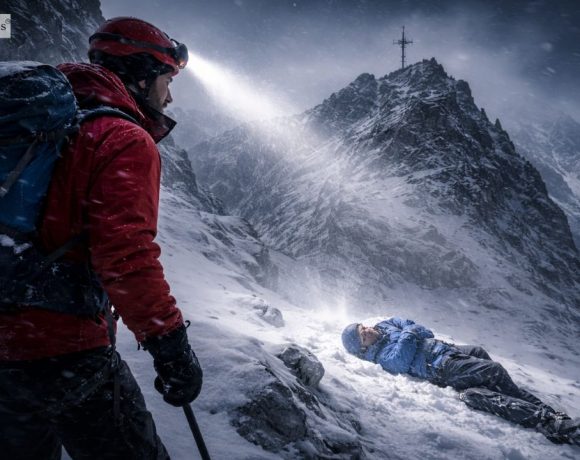
A 33-year-old woman died of hypothermia on Austria’s highest peak, Grossglockner, during a January 2025 climbing trip, and her boyfriend, identified as Thomas P, now faces trial for gross negligent manslaughter. Prosecutors allege he left the woman unprotected and exhausted near the summit in stormy winter conditions while he went to get help. The case raises questions about the boundary between personal risk-taking and criminal liability in high-altitude mountaineering.

Authorities say the climber, as the more experienced partner, failed to properly prepare and guide the expedition. Alleged mistakes include starting late, bringing inadequate equipment, and ignoring signs of extreme exhaustion and dangerous weather. His lawyer, Kurt Jelinek, claims the couple was experienced, well-equipped, and that her death was a tragic accident. Webcam footage captured the boyfriend descending alone with a torch while the woman remained on the mountainside.

The trial could set a precedent for accountability in alpine sports, as the man faces up to three years in prison if convicted. Prosecutors argue his inaction and delayed notification to rescue services contributed to her death, while the defense emphasizes the unforeseeable and sudden nature of the emergency. The case has prompted debate within mountaineering communities on the responsibilities climbers have toward their partners.

Pic courtesy: google/ images are subject to copyright

News Trending

In a recent case in Uppsala, Sweden, four teenage brothers and a 15-year-old girl have been sentenced by the court for the murder of a taxi driver. The victim had been reported for rape by the girl, and the court found that he was lured to a nature reserve with the promise of sexual favors due to the earlier allegations. The taxi driver was overpowered, and his body was discovered a week later, hanging from a tree in what appeared to be a staged suicide.

The eldest brother, who was 18 at the time, received a life sentence, while the four younger individuals, who were minors during the events, were sentenced to three to four years in a young offenders’ institution. The three older brothers were convicted of murder, while the girl and her boyfriend, both 15 at the time, were found not to be at the scene but were convicted of aiding and abetting the murder.

Despite the teenagers denying their involvement, the court relied on circumstantial evidence presented by prosecutors. Messages exchanged between them were used as evidence of a murder plot. Four days before the victim disappeared, the girl messaged a friend about her rapist, stating, “His brothers are going to meet my rapist.” Subsequent messages discussed the timing of the murder, with one brother suggesting, “We should do Friday,” and another agreeing.

After the killing, one of the brothers used the victim’s phone to transfer money from his bank account. The girl claimed she was unaware of the brothers’ intention to kill the man, stating she thought they would only beat him up. However, the court, led by Lars Holmgard, the president of the Uppsala District Court, ruled that the brothers had planned the murder, evident from the time they purchased the rope used in the crime. Holmgard stated, “The plan must have been for [the victim] to be hanged from the rope, in our opinion.”

Picture Courtesy: Google/images are subject to copyright