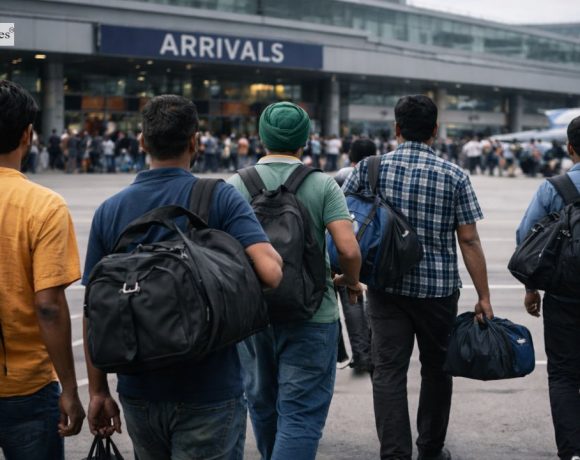
Germany is increasingly looking to India to address its growing shortage of skilled workers, driven by an ageing population and a lack of young domestic talent. The shift began when German trade bodies, facing acute hiring challenges, responded to outreach from Indian recruitment firms offering a pool of trained and motivated youth. What started as a small initiative in 2022, bringing a handful of Indian apprentices into sectors like butchery, has now expanded into a broader effort across multiple industries.
Recruitment agencies such as Magic Billion and India Works have played a key role in connecting Indian workers with German employers. From just 13 apprentices initially, the number has grown to around 200 Indians working in German butcher shops, with hundreds more expected to arrive for roles ranging from mechanics and bakers to road builders. This trend has been supported by policy measures, including the 2022 migration agreement between the two countries and Germany’s decision to significantly raise its skilled worker visa quota for Indians.
The move reflects a mutually beneficial dynamic: Germany urgently needs workers to sustain its economy, while India has a large young workforce seeking better opportunities, higher wages, and improved living standards. For many Indian workers, the transition offers financial stability and global exposure, while German businesses credit them with helping sustain operations. With workforce shortages projected to worsen, German officials say attracting foreign talent—especially from India—is no longer optional but essential.
Pic courtesy: google/ images are subject to copyright