
featured News Trending

Russia and Ukraine said they have halted strikes on each other’s energy infrastructure, following a U.S.-backed de-escalation push, but sharply differed on how long the moratorium should last. The Kremlin said President Vladimir Putin agreed to stop attacks on Ukrainian energy targets until February 1, while President Volodymyr Zelenskiy said the pause took effect from Friday midnight and should last a full week. Both sides confirmed there were no energy strikes over the past 24 hours, though no formal ceasefire has been agreed.

Ukraine accused Russia of shifting tactics, saying Moscow had instead intensified attacks on logistics, including rail facilities, even as temperatures in Kyiv are forecast to plunge to minus 26 degrees Celsius. Hundreds of residential buildings in the capital remain without heating after weeks of earlier strikes. Zelenskiy also said Ukraine refrained from hitting Russian energy facilities in response, but warned that air defences have been weakened due to delays in receiving U.S.-supplied Patriot missiles.

Diplomatic efforts remain uncertain, with Zelenskiy saying it was unclear whether a planned meeting between Russian, Ukrainian and U.S. negotiators would go ahead as scheduled. Major sticking points include Russia’s demand that Ukraine cede territory in eastern regions and control over the Zaporizhzhia nuclear plant. Despite limited progress in talks, fighting continues across the front lines, and many Ukrainians remain sceptical that the temporary energy truce will lead to a broader or lasting ceasefire.

Pic courtesy: google/ images are subject to copyright
featured News Trending

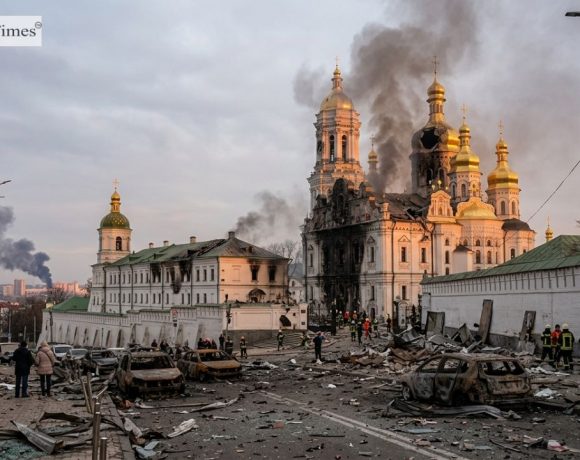
Russian forces launched attacks on Ukraine’s two largest cities, Kyiv and Kharkiv, early Saturday, resulting in one confirmed death and at least 15 injuries. In Kyiv, Mayor Vitali Klitschko reported fires in multiple districts along the Dnipro River, as power, heating, and water supplies were disrupted. Both drones and missiles were used in the assault, damaging a medical facility among other buildings.

In Kharkiv, approximately 30 km from the Russian border, Mayor Ihor Terekhov said 25 drones struck several districts over a two-and-a-half-hour period, hitting a dormitory for displaced persons, a hospital, and a maternity ward. At least 11 people were injured during the attacks. Emergency services continued working to restore essential utilities in freezing overnight temperatures.

The strikes came shortly after Ukraine, Russia, and US negotiators concluded the first day of talks in the UAE aimed at resolving the nearly four-year conflict. Despite ongoing diplomatic efforts, the attacks underscore the continuing volatility and human toll in the conflict zones.

Pic courtesy: google/ images are subject to copyright
featured News Trending

Russian drone and missile attacks early Tuesday knocked out power and heating to thousands of apartment buildings in Kyiv, leaving residents exposed to freezing temperatures as low as –15°C, Ukrainian officials said. Mayor Vitali Klitschko reported that 5,635 multi-storey residential buildings lost heating, while water supplies were disrupted on the city’s left bank, and one person was wounded as debris damaged a school.

The strikes represent the second major attack on Kyiv’s energy infrastructure this month, with repair crews working continuously to restore services. Foreign Minister Andrii Sybiha called for urgent support from allies, including energy aid and air defence systems, describing the attacks as a “wake-up call” to world leaders. Many of the buildings affected in the latest strike had already suffered damage during previous attacks.

Beyond Kyiv, Russian attacks damaged critical energy and infrastructure across multiple regions, including Vinnytsia, Dnipro, Odesa, Zaporizhzhia, Poltava and Sumy, and wounded two people in Dnipropetrovsk. With the war nearing its fourth year, diplomatic efforts to end the conflict have yielded little progress, leaving Ukrainians facing repeated power and heating disruptions during harsh winter conditions.

Pic courtesy: google/ images are subject to copyright

featured News Trending

Ukraine has declared a state of emergency in its energy sector, particularly targeting Kyiv, as ongoing Russian attacks continue to leave thousands of residents without power amid harsh winter conditions. Overnight temperatures in the capital recently dropped to around -20°C, exacerbating the humanitarian impact of missile and drone strikes that disrupted electricity, heating, and water supplies. President Volodymyr Zelensky accused Moscow of deliberately exploiting the severe cold as part of its war strategy.

Following a special cabinet meeting, Zelensky announced the creation of a 24/7 task force to repair energy infrastructure and procure essential equipment from abroad. Emergency help points are being expanded across Kyiv to provide heat and power to residents, with a possible easing of the midnight curfew. The First Deputy Prime Minister and Minister of Energy has been tasked with overseeing these emergency operations.

Russian attacks on energy systems have also affected south-eastern Ukraine, leaving over one million people without heating and water at times. Ukraine’s largest private energy provider, DTEK, reports constant strain from repeated waves of drone, cruise, and ballistic missile attacks, struggling to maintain power for 5.6 million Ukrainians as the fourth anniversary of Russia’s full-scale invasion approaches.

Pic courtesy: google/ images are subject to copyright
featured News

More than 600,000 people in Kyiv and surrounding areas were left without electricity after Russia launched a large-scale overnight attack targeting Ukraine’s energy infrastructure. Officials reported that over 36 missiles and nearly 600 drones were fired across multiple regions, leaving at least three dead and dozens injured. The majority of outages hit the capital, where emergency crews responded to fires and damaged residential buildings.

As winter sets in, Russia has intensified strikes on Ukraine’s energy grid, echoing previous years when civilians endured rolling blackouts. Kyiv Mayor Vitaly Klitschko confirmed that a 13-year-old was among the injured, while Dtek Energy said power had been restored to more than half of the affected households by Saturday afternoon. Ukraine’s Air Force reported intercepting 558 drones and 19 missiles despite the heavy bombardment.

The attack comes as Ukrainian and US officials prepare for talks on a revised peace plan backed by Washington. While President Zelensky has welcomed diplomatic efforts, he stresses Ukraine’s need to protect its sovereignty. Meanwhile, President Putin reiterated that Russia would only halt its offensive if Ukrainian forces withdraw from territory Moscow claims, as both sides brace for another harsh winter of conflict.

Pic Courtesy: google/ images are subject to copyright
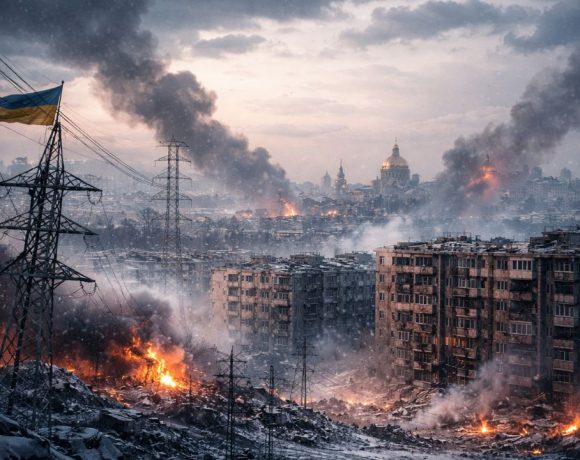
featured News

Ukrainian President Volodymyr Zelenskiy has vowed that he will not sacrifice Ukraine’s national interests in negotiations being pushed by the United States, saying the country faces one of the most difficult and dangerous moments in its history. Speaking in a video address, Zelenskiy warned that Kyiv may be forced to choose between preserving national dignity and risking the loss of a major international ally.

A 28-point peace plan proposed by Washington reportedly includes conditions that align with some of Russia’s demands, including ceding more territory, reducing Ukraine’s military strength, and blocking Ukraine from joining NATO. Sources told Reuters that the U.S. has signaled it may cut crucial support if Kyiv refuses to accept the framework.

Zelenskiy said he would continue working with the United States but anticipates increased political pressure in the coming week. Meanwhile, Russia continues to intensify military strikes and advance on the battlefield, as Ukraine confronts internal turmoil following a high-profile corruption scandal involving senior officials and business leaders.

Pic Courtesy: google/ images are subject to copyright
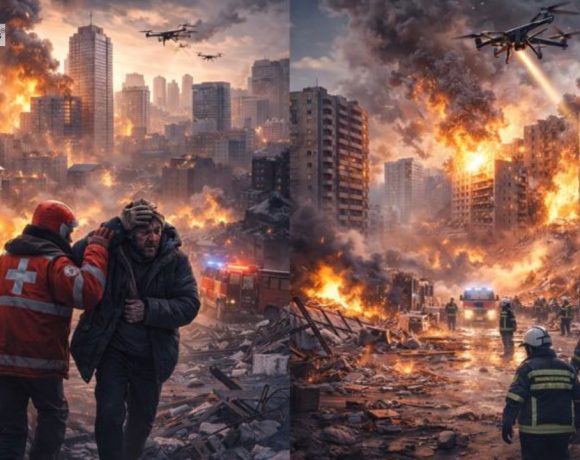
featured News

A massive wave of Russian drone and missile strikes on Kyiv has left four people dead and dozens injured, President Volodymyr Zelensky confirmed. More than 430 drones and 18 missiles were launched, damaging high-rise buildings across nearly every district and leaving parts of the capital without heat as energy infrastructure took heavy hits. Emergency crews rescued more than 40 people from burning and collapsed structures.

The strikes also targeted several other Ukrainian regions, while Kyiv’s air defences intercepted multiple incoming threats. Fires, falling debris, and widespread destruction hit residential blocks, a hospital and administrative facilities, with some victims pulled from under rubble. Mayor Vitali Klitschko warned that parts of the city’s power, water and heating network had been disrupted.

In a parallel escalation, Ukraine struck Russia’s Black Sea port of Novorossiysk, igniting a major oil refinery and damaging ships and apartment buildings. Local authorities declared a state of emergency and halted oil exports. The attacks follow another deadly Russian barrage less than a week earlier, prompting Zelensky to urge Western allies to tighten sanctions on Russian energy amid stalled ceasefire talks.

Pic Courtesy: google/ images are subject to copyright
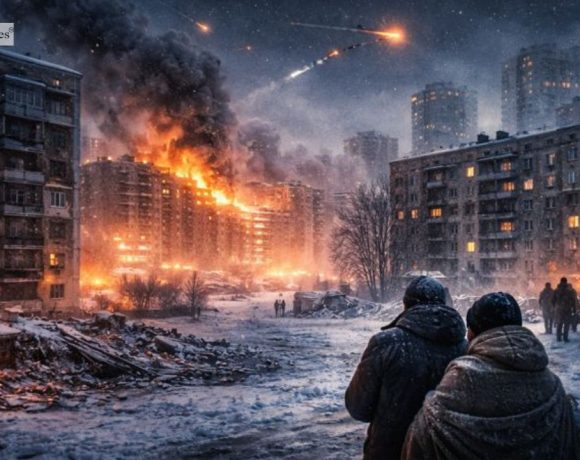
featured News

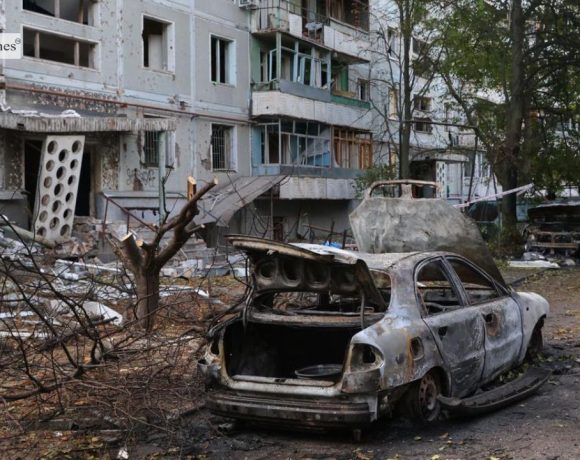
Kyiv came under attack for the second consecutive night as a wave of Russian drones struck the Ukrainian capital early Thursday, wounding nine people and damaging buildings across the city. According to Tymur Tkachenko, head of Kyiv’s military administration, ten city locations were affected, including two apartment complexes that took direct hits. Images from the scene showed a car overturned and shattered windows across several buildings.

The assault follows Wednesday’s widespread strikes that killed at least seven people across Ukraine, six of them in Kyiv, and triggered power outages. Ukraine’s military reported that Russia launched around 130 drones in the latest offensive, of which 92 were intercepted. The recent attacks are part of what Ukrainian officials describe as a renewed campaign to cripple the nation’s energy infrastructure ahead of winter.

Russia’s Defence Ministry confirmed targeting Ukrainian energy sites, claiming the strikes were in retaliation for Ukrainian attacks on Russian civilian infrastructure. While Moscow insists such facilities are legitimate military targets, both nations continue to deny intentionally striking civilian areas. Meanwhile, Ukrainian drones reportedly hit an energy facility in Russia’s Nizhny Novgorod region and ignited an industrial site in Ryazan.

Pic Courtesy: google/ images are subject to copyright
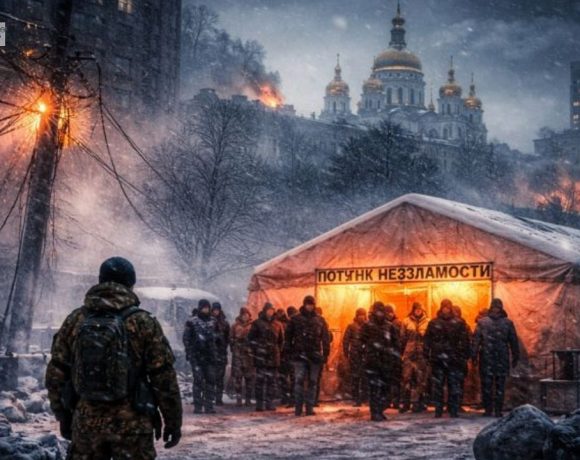
featured News

Russia launched a drone strike on Ukraine’s capital, Kyiv, early Wednesday morning, injuring at least six people and causing significant damage to buildings in two districts. Explosions echoed across the city as Ukraine’s air force warned of incoming drones, and Mayor Vitali Klitschko confirmed that air defenses were intercepting the attack. Two floors of a residential building were partially destroyed, and debris from downed drones also struck a non-residential structure in a different neighborhood.

Photos shared by the State Emergency Service depicted firefighters working to douse flames at a damaged building, assisting elderly victims. Yulia Svyrydenko, Ukraine’s first deputy prime minister, took to social media, condemning the strike and highlighting that Russian aggression persists without pause, even during the holiday season.

Kyiv’s military reported that 63 out of 111 Russian drones launched overnight across various Ukrainian regions were shot down. An additional 46 drones were neutralized through electronic jamming. The continuous strikes serve as a stark reminder of the ongoing nature of Russia’s nearly three-year-old invasion of Ukraine, targeting cities far beyond the frontlines.

Pic Courtesy: google/ images are subject to copyright
featured News Trending

Poland’s Foreign Minister Radoslaw Sikorski has revealed that Warsaw is actively considering a proposal from Kyiv to intercept Russian missiles over Ukrainian airspace before they reach Polish territory. This initiative emerged from a joint defense agreement signed during President Volodymyr Zelensky’s recent visit to Warsaw. The aim is to address concerns about Russian missiles inadvertently breaching Polish airspace while targeting Ukrainian locations near the Polish border.

Sikorski emphasized that the proposal is currently in the exploration phase. It seeks to mitigate risks posed by missile debris falling into Polish territory, which could endanger citizens and property. The Foreign Minister noted the brief window of time Poland has to react when missiles traverse western Ukraine towards its borders. He stressed the need for consultation with NATO allies, particularly highlighting the importance of U.S. support in any decision to implement such intercepts.

Defense analysts have cautioned that without strong allied backing, the proposal could expose Poland to potential Russian retaliation. The effectiveness and safety of such intercept operations remain critical considerations amidst ongoing tensions and military maneuvers in the region.

Picture Courtesy: Google/images are subject to copyright