
featured News Trending

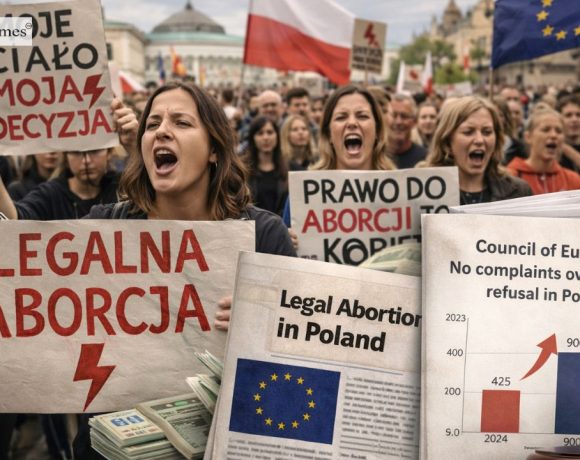
Legal abortions in Poland doubled in 2024 while complaints about hospitals refusing procedures on conscience grounds have stopped, according to the Council of Europe. The European rights body said recent government measures appear to be improving access to legal abortion services in the country, where strict laws have been in place since 2021. Official health ministry data showed nearly 900 legal abortions were carried out in Polish hospitals in 2024, compared with 425 the previous year.

Poland introduced a near-total abortion ban in 2021 after a court ruling declared terminations due to foetal abnormalities unconstitutional. Since coming to power in 2023, the government led by Donald Tusk has pledged to ease the restrictions, but political divisions have slowed legislative change. President Karol Nawrocki has signalled he would block any major liberalisation of the abortion law.

Despite the political deadlock, the government has issued new guidance to hospitals and prosecutors clarifying that abortions on the grounds of a woman’s mental health are legal and must be provided by public hospitals. The Council of Europe noted that since the introduction of an unconditional obligation for hospitals to offer the procedure as part of contracted medical services, authorities have not received new complaints about refusals based on the “conscience clause.” However, the organisation also expressed concern over the lack of progress in passing broader legislation on safe termination of pregnancy.

Pic courtesy: google/ images are subject to copyright
featured News

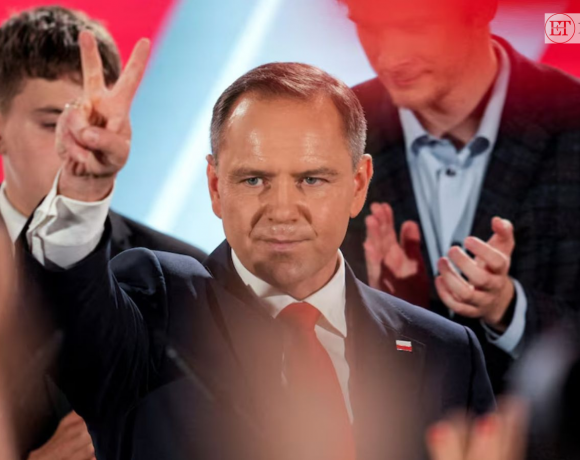
Nationalist candidate Karol Nawrocki narrowly defeated centrist rival Rafal Trzaskowski in Poland’s presidential election, securing 50.89% of the vote against Trzaskowski’s 49.11%, according to official results released Monday. Nawrocki, backed by the opposition Law and Justice (PiS) party, ran on a platform opposing Prime Minister Donald Tusk’s liberal agenda, positioning the vote as a referendum on the current government’s policies. The outcome delivers a major blow to Tusk’s pro-European Civic Coalition and signals the likelihood of increased political deadlock.

Nawrocki, a conservative historian and former head of Poland’s remembrance institute, is expected to use his veto power to stall liberal reforms, particularly in areas such as judiciary overhaul and abortion rights. His victory follows a campaign marked by nationalist rhetoric and controversy, including scrutiny over a past property deal and involvement in staged fights. Turnout hit a record 71.31% for a presidential run-off, underscoring the nation’s deep political divide.

The result has drawn praise from nationalist and eurosceptic leaders across Europe, including Hungary’s Viktor Orban and Czech opposition leader Andrej Babis, while investors reacted negatively, with Warsaw’s stock index falling and the zloty weakening. Despite concerns in Brussels, European Commission President Ursula von der Leyen expressed hope for continued cooperation. As Poland braces for more legislative clashes, observers warn of intensified tensions between the presidency and parliament, raising uncertainty about the country’s policy direction.

Pic Courtesy: google/ images are subject to copyright