featured News Trending

Volkswagen announced plans to cut 50,000 jobs across Germany by 2030, as post-tax profits fell by 44% in 2025, marking their lowest level since 2016. CEO Oliver Blume said the reductions will impact the entire group, including Audi and Porsche, and follow earlier agreements with unions to cut over 35,000 jobs in a socially responsible manner.

The company cited challenges including US import tariffs, declining demand in China, high restructuring costs from the shift to electric vehicles, and rising competition from Chinese carmakers entering Europe. Net profits fell from €12.4 billion to €6.9 billion, and Volkswagen projects a core profit margin of 4% to 5.5% for 2026, potentially lower than the current 4.6%.

Finance chief Arno Antlitz emphasized the need for rigorous cost reductions to maintain profitability in the long run. The company expects the job cuts and efficiency measures to save around €15 billion while navigating a fundamentally changed automotive market.

Pic courtesy: google/ images are subject to copyright
featured News Trending

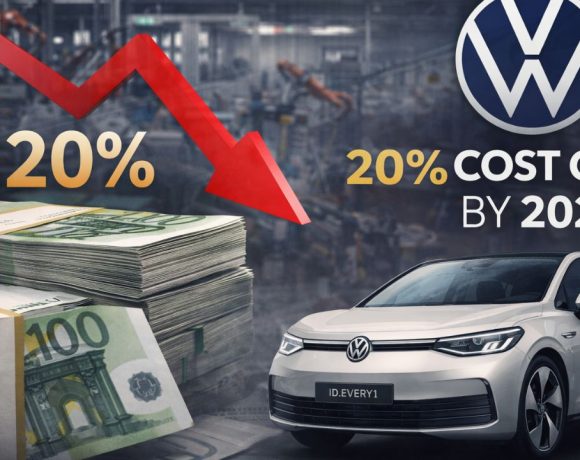
Volkswagen AG plans to cut costs by 20% across all its brands by the end of 2028, according to a report by Manager Magazin. The move comes as Europe’s largest carmaker grapples with rising production expenses, stiff competition in China, and the impact of U.S. tariffs. CEO Oliver Blume and CFO Arno Antlitz reportedly presented a sweeping savings strategy to top executives at a closed-door meeting in Berlin last month.

A company spokesperson said Volkswagen has already achieved double-digit billion-euro savings through a group-wide efficiency programme launched three years ago. However, details on where further cuts will be made remain unclear, with potential plant closures reportedly discussed. The company’s works council chief, Daniela Cavallo, pointed to a 2024 agreement that ruled out plant closures and operational layoffs, stressing that competitiveness measures would be implemented with socially responsible safeguards.

Volkswagen is also in the process of cutting 35,000 jobs in Germany by 2030, while its core brand aims to streamline management and consolidate production platforms to save around 1 billion euros. German carmakers, including Mercedes-Benz Group AG, face mounting pressure from price wars in China and the costly transition to electric vehicles, even as they pledge long-term commitments to efficiency and low-emission mobility.

Pic courtesy: google/ images are subject to copyright

News Trending

Citigroup plans to cut approximately 20,000 jobs, equivalent to about 10% of its global workforce, within the next two years as part of a broader restructuring initiative led by CEO Jane Fraser. This move is aimed at streamlining operations and reducing layers of bureaucracy within the bank. Fraser, who assumed leadership in 2021, envisions 2024 as a pivotal year for the company.

Citi has already divested some of its overseas operations and initiated the listing of its Mexican unit as a standalone entity. Despite reporting a $1.8 billion loss in the last quarter of 2023, attributed to specific factors such as the devaluation of the Argentine peso and a government fee imposed on US banks, Fraser emphasized the progress made in implementing the bank’s strategic plan.

The restructuring is expected to cost around $1 billion in the current year, in addition to the $800 million incurred in the recent quarter. However, the bank anticipates saving $2.5 billion over the medium term. While specific details about job cuts in the UK and affected units were not disclosed, Citi’s workforce is projected to decrease from about 240,000 at the beginning of 2023 to approximately 180,000 by 2025 or 2026.

Citi, one of the largest banks in the US, has faced investor pressure to improve its performance, with profits trailing behind its peers. The recent quarterly loss was influenced by unique circumstances, and for the full year, revenue increased by 4% to $78.5 billion, while profits declined by 38% to $9.2 billion. In comparison, competitors like Wells Fargo and JP Morgan reported revenue growth of 11% and 23%, respectively, with corresponding profit increases. Following the announcement, Citi’s shares experienced a 1.4% decline.

Picture Courtesy: Google/images are subject to copyright

News Trending

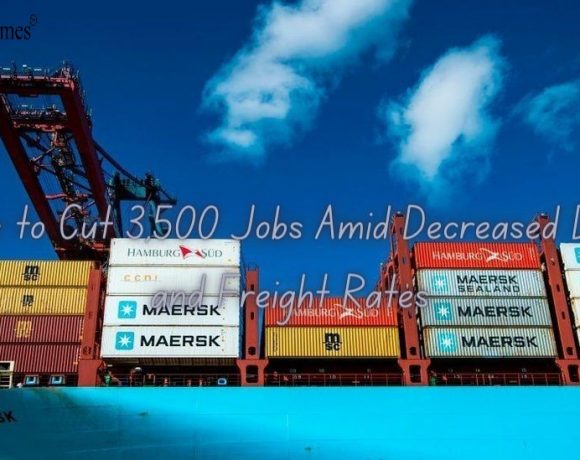
One of the world’s largest shipping companies, AP Moller-Maersk, has announced plans to cut an additional 3,500 jobs, following a previous reduction of 6,500 positions earlier in the year. The decision comes as a response to diminished demand and reduced freight rates. Maersk experienced a significant decline in profits, plummeting by 92% during the latest quarter.

The company highlighted the deteriorating prices for sea freight as the primary factor necessitating further job cuts. While the initial period of the COVID-19 pandemic saw a surge in demand and shipping costs, the situation has since shifted. The resurgence of inflation and the impact of increased interest rates have dampened consumer spending, leading to decreased demand for shipping services.

Maersk’s chief executive, Vincent Clerc, acknowledged the challenging circumstances, emphasizing the need for cost-saving measures in light of the current industry landscape. Despite the drastic staff reductions, the company aims to save approximately £600m next year.

The recent announcement will bring Maersk’s global workforce below 100,000, with 2,500 of the job cuts expected to take place in the coming months, and the remainder in 2024. The company has refrained from disclosing the specific locations or job roles that will be affected.

The market response to Maersk’s latest developments was negative, with shares in the group declining by 11.1% following the announcement. The company remains cautious about its revenue and profit expectations, anticipating that both figures will likely fall at the lower end of its estimations. Additionally, Maersk warned that global economic slowdown, financial risks, and geopolitical tensions, such as strained relations between China and the US, conflicts in Ukraine and the Middle East, could impede any anticipated improvements in the final quarter of this year and affect volumes in 2024.

Picture Courtesy: Google/images are subject to copyright