featured News

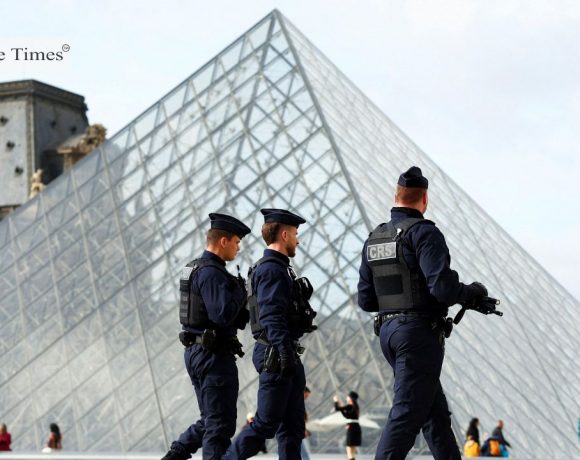
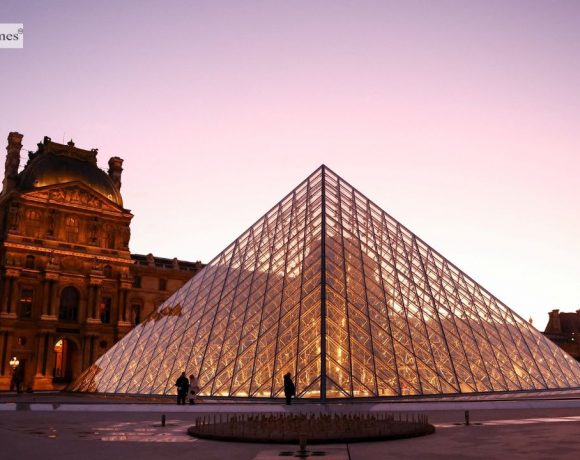
A French culture ministry inquiry has found that the burglars who stole France’s crown jewels from the Louvre in October gained a crucial 30-second advantage due to security lapses at the museum. The four thieves, who escaped with jewels worth $102 million, exploited delays in surveillance footage and weaknesses in the museum’s infrastructure, including a fragile window in the Apollo gallery. The heist has raised questions about how such vulnerabilities existed at the world’s most visited museum.

Investigators concluded that delayed access to live camera feeds and limited monitoring capabilities slowed both museum security and police response. According to Noel Corbin, chief of general inspection of cultural affairs, even a slightly faster alert or a more resistant window could have prevented the burglars’ escape. The report highlighted that security staff were unable to view certain camera images in real time due to insufficient screens and a lack of exterior surveillance coverage.

The Louvre, employing about 2,200 staff and hosting nearly 9 million visitors annually, operates with the complexity of a small city, making rapid coordination essential. The inquiry underscores the need for upgraded systems and improved communication channels within the museum’s sprawling security network. The stolen crown jewels remain missing, and the incident has renewed urgency around reinforcing protection for France’s cultural treasures.

Pic courtesy: google/ images are subject to copyright
featured News Trending

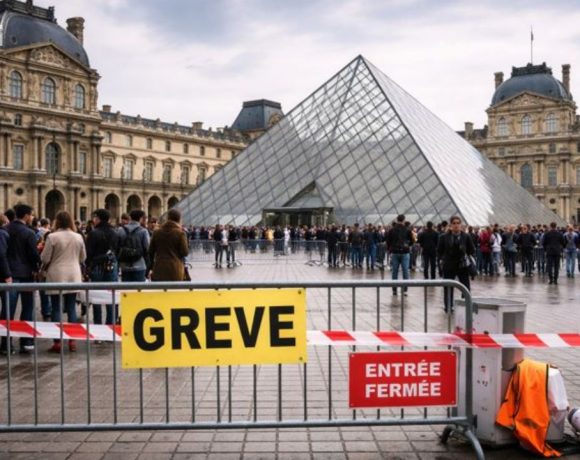
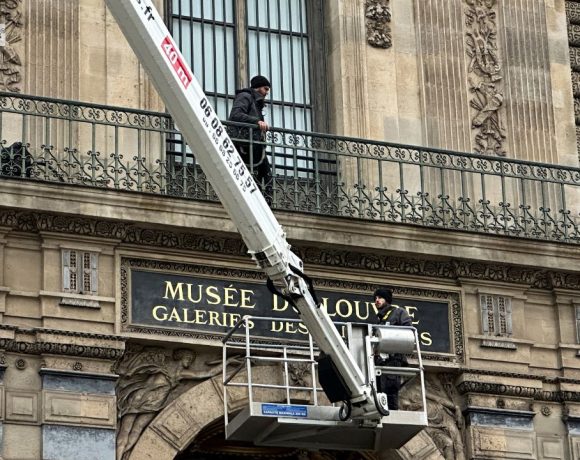
Three weeks after a daring daylight robbery saw €88m worth of crown jewels stolen from the Louvre’s Apollo Gallery, France’s prestigious museum is facing harsh criticism for neglecting security. A Court of Auditors report — completed before the heist — revealed that museum management prioritized new acquisitions and exhibitions over essential safety upgrades, despite repeated warnings. Culture Minister Rachida Dati and art experts have accused the Louvre of underestimating the threat and mismanaging funds intended to protect priceless heritage.

The report found that between 2018 and 2024, the museum invested more than €105m in new artworks and €63m in exhibition spaces, while spending far less on maintenance and security systems. These findings have cast doubt on the museum’s ambitious New Renaissance project, which includes a new entrance and a separate gallery for the Mona Lisa. Already over budget — rising from €700m to €1.15bn — the initiative is now being questioned for lacking proper feasibility and financial planning.

Meanwhile, the investigation into the theft continues, with four suspects arrested and the stolen jewels still missing. Among those detained is 39-year-old Abdoulaye N, a former Pompidou Centre guard known locally for viral motocross stunts, who reportedly did not even realise he was breaking into the Louvre. Authorities believe the suspects may have been petty criminals hired by a wealthier mastermind, making security lapses at the world’s most visited museum an even more alarming concern.

Pic Courtesy: google/ images are subject to copyright
News Trending

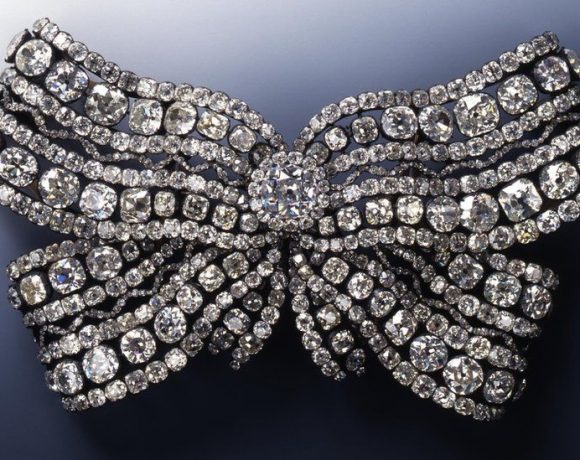
Five men have been convicted for a daring theft of valuable jewels worth €113 million from a museum in Dresden, Germany. Although some of the stolen items were recovered, including a diamond-encrusted sword, there are concerns that the remaining treasure may never be found.

The culprits, who belonged to a notorious criminal family network and resided in Berlin, meticulously planned the heist. They made multiple visits to the museum, prepared their entry point in advance by cutting through protective window bars, and set fire to a circuit breaker panel to create a diversion. Two of the men then entered the museum, wearing masks and wielding axes, and smashed glass display cases to access the treasure.

After spraying a foam fire extinguisher to cover their tracks, they escaped in an Audi, which they later burned before fleeing to Berlin. The thieves are all members of the “Remmo clan,” one of several family networks of Arab descent involved in major organized crime in Germany. Despite the recovery of some stolen items through confessions, several pieces, including the rare White Stone of Saxony diamond, remain missing.

The stolen jewels were part of a collection assembled by Augustus the Strong, the Elector of Saxony, in the 18th century. The loss is particularly devastating as the collection was intended to be viewed as a whole, showcasing a variety of colors and stones. Although the museum has improved its security system and focuses on restoring the remaining jewels, curators have accepted that the collection may never be complete again.

Picture Courtesy: Google/images are subject to copyright