
featured News Trending

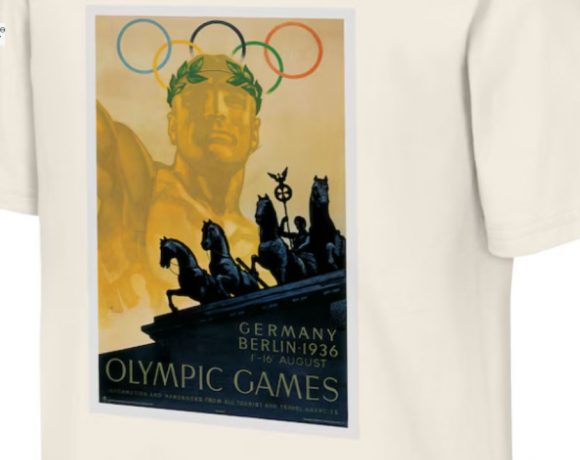
The International Olympic Committee (IOC) has come under criticism in Germany for selling T-shirts featuring the original poster design of the 1936 Berlin Olympics, which were used by Adolf Hitler and the Nazis for propaganda. The shirts, sold through the official Olympic Shop, depict a male figure wearing a laurel wreath, the Olympic rings above, and the Brandenburg Gate below, alongside the text “Germany Berlin 1936 Olympic Games.”

Critics, including Klara Schedlich of the Green Party in Berlin, said the design is inappropriate and insensitive, arguing that it does not adequately reflect the historical context of Nazi propaganda. The IOC defended the sale, stating the shirts are part of its Olympic Heritage Collection, which showcases styles from all editions of the Games and celebrates athletic achievements, such as Jesse Owens’ four gold medals at the Berlin Games that challenged Nazi racial ideology.

The IOC emphasized that only a limited number of the 1936 T-shirts were produced and sold, and the historical context of the Berlin Olympics is explained at the Olympic Museum in Lausanne. The collection aims to highlight 130 years of Olympic art and design rather than promote the propaganda of any regime.

Pic courtesy: google/ images are subject to copyright
featured News

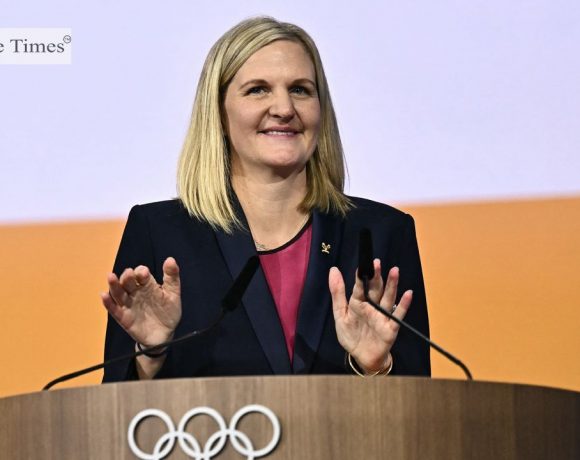
The International Olympic Committee (IOC) is reportedly moving closer to implementing a universal ban on transgender women competing in female categories across all sports. IOC president Kirsty Coventry, who pledged such action during her election campaign, has been overseeing ongoing discussions through a dedicated working group. Although the IOC maintains that no final decision has been reached, recent briefings to members suggest a ban could be announced as early as next year.

The shifting approach follows increased concerns in global sport over fairness and athlete safety. Several international federations, including World Rugby, World Aquatics, and World Athletics, have already barred those who experienced male puberty from elite female competition. In the United States, President Donald Trump signed an executive order in February restricting transgender women from competing in female categories, including at the Los Angeles 2028 Olympics.

Transgender participation has sparked high-profile debates at recent Games, such as New Zealand weightlifter Laurel Hubbard at Tokyo 2020. The issue resurfaced at Paris 2024 when Algerian boxer Imane Khelif won gold after prior gender eligibility scrutiny—though the IOC confirmed she and fellow boxer Lin Yu-ting were permitted to compete based on their legal female status. As the IOC works toward a global policy, the aim remains to find consensus between inclusion and competitive integrity.

Pic Courtesy: google/ images are subject to copyright
News Trending

France has been provisionally chosen to host the 2030 Winter Olympics and Paralympics, with the French Alps bid being favored by the International Olympic Committee (IOC) in June. The decision was approved on Wednesday, contingent upon France securing the necessary financial guarantees.

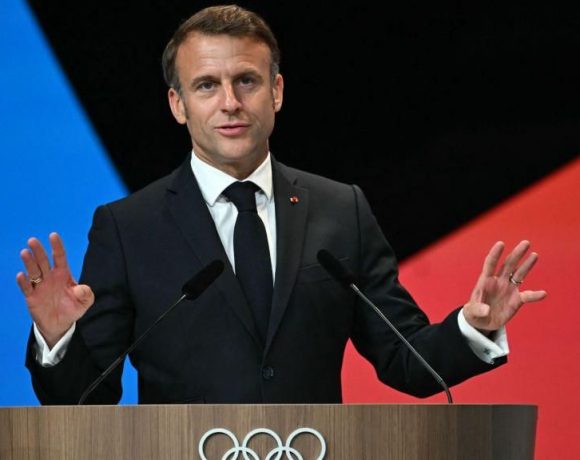
However, the French government has struggled to provide these guarantees due to recent elections. President Emmanuel Macron has stated that he will not appoint a new government until after the Paris 2024 Olympics, which begin this week. He assured the IOC of the French nation’s commitment and promised that the next prime minister would prioritize securing the necessary guarantees and an Olympic law.

The 2030 Winter Games will see the Auvergne-Rhone-Alpes and Provence-Alpes-Cote d’Azur regions host all major events. This will mark the fourth time France has hosted the Winter Olympics, the first since Albertville in 1992.

Meanwhile, Salt Lake City, Utah, has been chosen to host the 2034 Winter Games.

Picture Courtesy: Google/images are subject to copyright