featured News

Tesla has announced fresh investments to scale up battery cell production at its Gigafactory in Gruenheide near Berlin, aiming to produce up to 8 gigawatt hours of battery cells annually from 2027. The U.S. electric vehicle maker said it will invest an additional three-digit million euro amount, taking total investment in the local battery cell factory to nearly €1 billion.

The company said the expansion is part of a strategy to deepen vertical integration at the site, allowing everything from battery cells to complete vehicles to be manufactured at a single location. Tesla described this as a unique setup in Europe that will help strengthen supply chain resilience and reduce dependency on external suppliers.

Tesla also noted that producing battery cells economically in Europe remains challenging amid competition from China and the United States. The Gruenheide facility, Tesla’s only gigafactory in Europe, currently employs about 11,500 people and plays a critical role as the automaker works to stabilise its position in the European electric vehicle market.

Pic courtesy: google/ images are subject to copyright

featured News

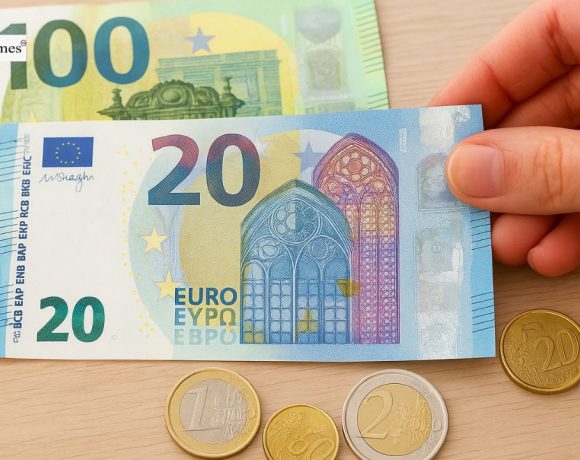
The European Union continues to face an uphill battle in encouraging households to move money from cash into investments, even after a decade of efforts toward a capital markets union. Despite more than 60 legislative proposals, progress has been slowed by national interests, political shifts and technical hurdles. As a result, Europeans continue to hoard cash, with savings in bank deposits reaching 12.1 trillion euros—about 30% of household wealth—far higher than in the United States. In Germany, the figure is even more striking, with over 40% of financial assets held in cash or deposits.

Alarmed by the continued fragmentation of capital markets, several EU countries—led by Spain—have launched a pilot project to introduce a “Finance Europe” label that would help savers identify investment products that support EU companies. Meanwhile, policymakers and think tanks are pushing to scale Italy’s successful Savings Investment Plan (PIR), which directs household savings toward local firms, into a broader EU-wide scheme. Such initiatives are part of the bloc’s broader Savings and Investments Union (SIU), set to be unveiled this week, which includes proposals to empower the European Securities and Markets Authority and ease cross-border barriers for asset managers.

However, cultural and trust-related obstacles remain significant. Many EU households remain risk-averse and skeptical of investment products, often citing low returns, high fees and lack of reliable financial guidance. Former ECB chief Mario Draghi noted that EU household wealth has grown much slower than in the U.S., partly due to low interest rates on deposits that fail to keep pace with inflation. As regulators push for greater integration, experts warn the SIU will fall short unless it addresses public distrust and simplifies investment pathways for ordinary savers.

Pic Courtesy: google/ images are subject to copyright