
featured News Trending

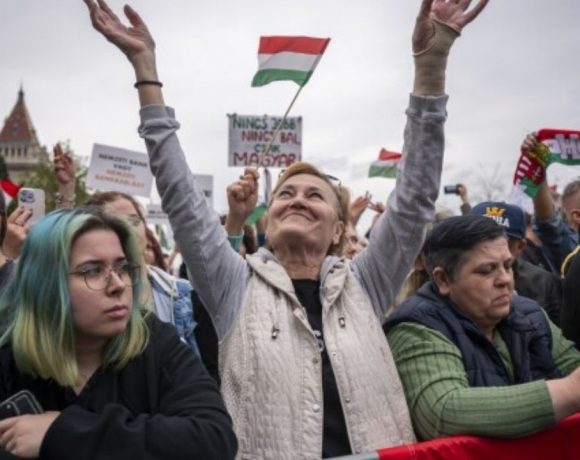
Hungary’s main opposition Tisza party has widened its lead over Prime Minister Viktor Orban’s ruling Fidesz party, according to two opinion polls released on Wednesday, raising the stakes ahead of the April 12 parliamentary election. The vote marks the first time in years that Orban, who has been in power since 2010, faces a serious electoral challenge, with implications for both Hungary’s political direction and the wider European landscape.

A survey by pollster Median showed Tisza, led by former government insider Peter Magyar, extending its advantage over Fidesz to 12 percentage points among decided voters. Tisza was backed by 51% of voters, while support for Fidesz slipped to 39%. Median noted that while Tisza is mainly attracting voters from other opposition parties, Fidesz has struggled to regain ground despite economic incentives and efforts to rally voters around fears linked to the war in Ukraine.

A second poll by the Idea Institute also pointed to a strong showing for Tisza, placing it at 48% support—10 points ahead of Fidesz. Magyar has pledged to keep Hungary firmly anchored in the European Union and NATO while pursuing pragmatic ties with Russia, contrasting with Orban’s closer relations with Moscow and frequent clashes with Brussels. Apart from the two main rivals, only the far-right Our Homeland party is seen as having a realistic chance of entering parliament.

Pic courtesy: google/ images are subject to copyright
featured News

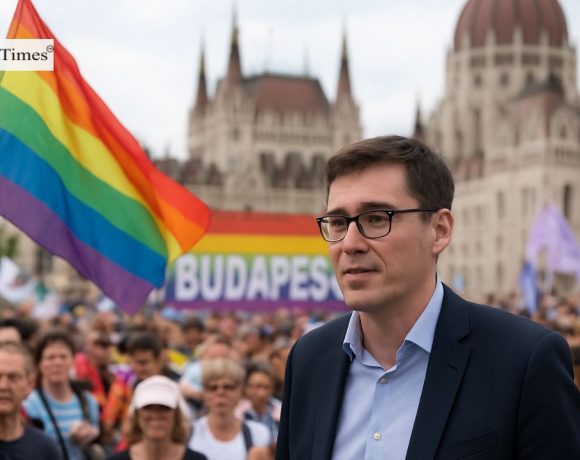
Hungarian police have recommended that prosecutors file charges against Budapest’s liberal mayor, Gergely Karacsony, for his role in organising an LGBTQ+ rights march in June that evolved into a large anti-government demonstration. The June 28 march, originally planned as a Pride event despite a government ban, drew tens of thousands of people and became one of the biggest displays of opposition to Prime Minister Viktor Orban’s nationalist government. The Budapest Chief Prosecution Office confirmed it has received the police investigation documents but did not comment on whether charges will follow.

Karacsony, responding in a video message, said he was proud to defend the freedom of Budapest and was ready to face any legal consequences. He framed the event as an act of political courage aimed at safeguarding democratic rights in the capital. His attempt to classify the march as a municipal event—arguing it did not require a permit—was intended to bypass a new law passed in March that allowed the government to ban Pride marches under the banner of child protection.

Human rights advocates and opposition figures have criticised the Pride ban as part of a broader erosion of civil liberties under Orban, who faces a challenging election next year. Although police initially banned the event, citing the child protection law, the march proceeded peacefully and highlighted growing public resistance to government policies affecting the LGBTQ+ community and democratic freedoms.

Pic courtesy: google/ images are subject to copyright