

featured News Trending

Barcelona has raised its tourism tax to one of the highest levels in Europe, doubling the levy on hotel guests from 5–7.5 euros to 10–15 euros per night starting in April. The move aims to curb tourist numbers and help finance affordable housing projects, with a quarter of the revenue earmarked for addressing the city’s housing crisis. Short-term holiday rentals will also see a tax increase, from 6.25 euros to a maximum of 12.5 euros per night.

The tax hike affects both hotels and cruise passengers, with a two-night stay at a four-star hotel now potentially adding 45.60 euros to costs. Barcelona, one of the world’s top convention destinations, will not exempt attendees from the levy. The city has also announced plans to ban all short-term rentals by 2028 to control the housing market and manage tourism pressure.

Hotel owners have voiced concerns that the steep tax increase could deter visitors and impact revenue, warning that it may backfire on the city’s lucrative tourism industry. Barcelona welcomes around 15.8 million tourists annually, making the potential economic impact of the tax significant.

Pic courtesy: google/ images are subject to copyright
News Trending

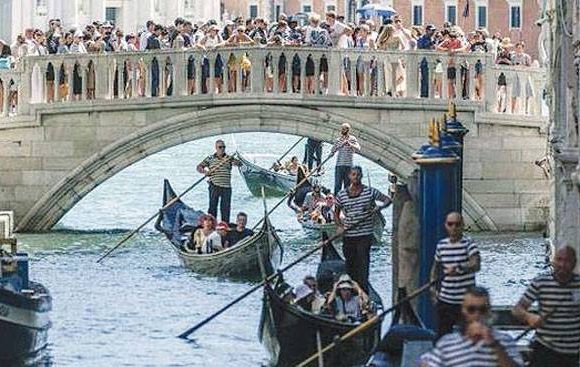
New regulations have been implemented in Venice, banning the use of loudspeakers and restricting tour group sizes to a maximum of 25 people. Officials state that these measures aim to mitigate the effects of over-tourism on the Italian city. Venice’s historic canals make it one of Europe’s most popular destinations. Earlier this year, Venice introduced a €5 (£4) daily entry fee, following a 2021 ban on cruise ships docking in the historic area.

Over-tourism is a critical issue for Venice, a city with a population of approximately 250,000 that welcomed over 13 million visitors in 2019. Although visitor numbers have declined since then, they are projected to surpass pre-pandemic levels soon. Many local residents have left the historic island city due to concerns about being overwhelmed by tourists.

According to Ocio, a citizen association monitoring housing in Venice, the historic quarter now has about 49,000 tourist beds—exceeding the number available for residents. These new tourism rules follow warnings from Unesco experts last year, suggesting Venice could be added to the list of world heritage sites in danger due to climate change and mass tourism. The UN cultural body ultimately decided not to add Venice to the list, acknowledging efforts to address these issues through an anti-flooding system and measures to curb the impact of mass tourism.

Picture Courtesy: Google/images are subject to copyright