

featured News Trending

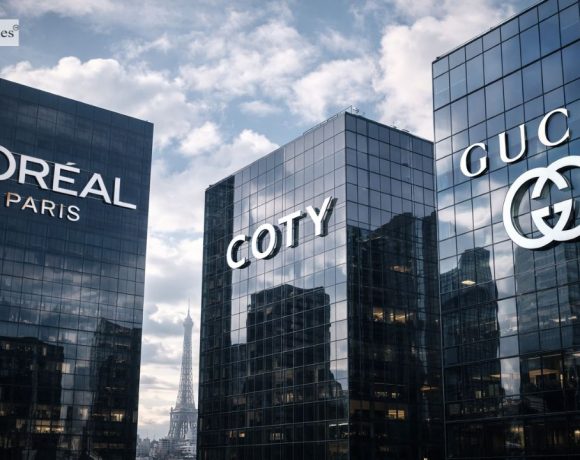
French cosmetics giant L’Oréal would welcome taking over the Gucci beauty licence before its current 2028 expiry, chief executive Nicolas Hieronimus said, confirming that discussions are under way between Gucci owner Kering and present licence holder Coty. Speaking at an analyst conference, Hieronimus said L’Oréal would be “happy to get the brand sooner,” but stressed that negotiations do not directly involve his company.

The Gucci beauty licence was a key element in a broader deal struck last year between Kering and L’Oréal, sources have said. While Gucci is one of the world’s most recognisable luxury brands, analysts view its beauty segment as underdeveloped. The licence currently remains with Coty until 2028, though Coty’s new chief executive has said the company is open to value-creating deals for shareholders. Both Kering and Coty declined to comment on the ongoing talks.

Kering sold its beauty division, centred on fragrance brand Creed, to L’Oréal for €4 billion last October, a transaction widely seen as paving the way for closer cooperation around Gucci. Industry sources have said L’Oréal’s main strategic interest lay in securing the Gucci beauty licence rather than Creed itself. Earlier attempts by Kering to buy out Coty’s licence were rebuffed, and the issue remains unresolved as all sides work towards a potential agreement.

Pic courtesy: google/ images are subject to copyright
featured News

Kering reported a smaller-than-expected decline in fourth-quarter sales, offering early signs of stabilisation under new CEO Luca de Meo, even as the luxury group cautioned that recovery remains fragile. Group revenue fell 3% year-on-year to 3.9 billion euros, beating forecasts for a steeper drop, helped by improving trends toward the end of the year. De Meo, who took charge after leading Renault, said momentum was “early, fragile, but real,” as he works to rebuild margins and confidence in the Gucci owner.

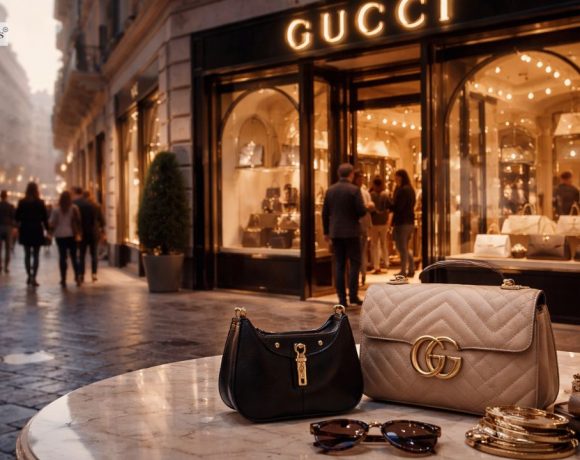
Gucci, which generates the bulk of Kering’s profits, posted a 10% revenue decline in the quarter—its 10th consecutive fall—but still outperformed expectations. Management said newly launched products and stronger handbag sales supported results, with some improvement seen across most regions. Despite these signs, profitability remains under pressure, with group operating margins sliding to 11% and Gucci’s to 16%, far below levels seen three years ago and trailing rivals such as LVMH.

The results underline the scale of the turnaround facing de Meo, as Kering grapples with high debt, restructuring costs, and years of weakening demand following shifts in fashion trends. The company has closed dozens of stores, cut operating costs, and sold its beauty business to shore up the balance sheet, bringing net debt to about 8 billion euros. While investors have welcomed balance-sheet repairs, analysts say a sustained recovery will ultimately depend on Kering’s ability to reignite sales growth at Gucci.

Pic courtesy: google/ images are subject to copyright
featured News

Italian police visited the headquarters of 13 major fashion brands, including Dolce & Gabbana, Versace, Prada, and Gucci, requesting documents on governance and supply-chain controls. The action is part of an investigation into alleged worker abuse at subcontractors, although none of the companies are under formal investigation or subject to court-appointed administration, judicial documents show.

The brands were linked to the probe after garments and subcontracting records connected to them were found in Chinese-owned workshops previously investigated in Milan. Authorities aim to assess the companies’ involvement in labour exploitation and whether their compliance systems adequately prevent such abuses. Companies will have the opportunity to address any issues internally before prosecutors consider further measures.

The move comes amid broader efforts by the Italian government to safeguard the reputation of “Made in Italy” fashion. Industry Minister Adolfo Urso recently proposed a bill for legal certification of fashion supply chains, allowing brands to pre-emptively prove compliance and protect Italy’s luxury sector, which accounts for more than half of global luxury goods production.

Pic courtesy: google/ images are subject to copyright