
featured News

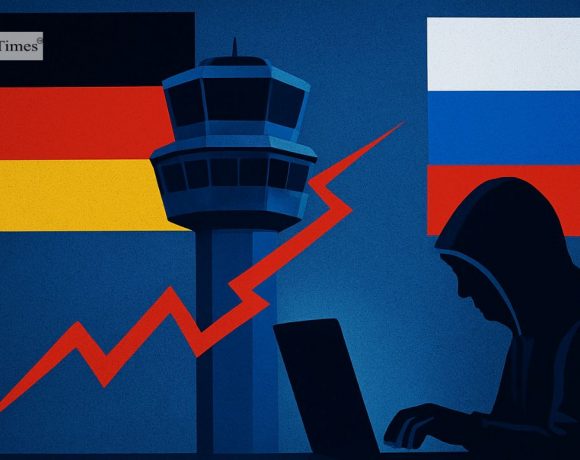
Germany has accused Russia of carrying out a cyber-attack on its air traffic control systems and attempting to interfere in the country’s federal elections, prompting Berlin to summon the Russian ambassador. A German foreign ministry spokesman said Russian military intelligence was responsible for hacking office communications at Germany’s air navigation service provider in August 2024, while also running a disinformation campaign aimed at destabilising domestic politics ahead of the February elections.

According to German authorities, the attack has been linked to the Russian hacker group Fancy Bear, which is believed to operate under the GRU, Russia’s military intelligence service. Officials said intelligence findings confirmed GRU responsibility and accused Moscow of spreading fake videos alleging ballot manipulation, targeting senior political figures including Green Party leader Robert Habeck and CDU leader Friedrich Merz, now Germany’s chancellor. While the cyber-attack did not disrupt flights, Berlin said it was part of a broader effort to undermine democratic processes.

Russia has firmly denied the allegations, calling them baseless and “absurd”. However, Germany said it would coordinate with European partners to impose counter-measures and make Russia “pay a price” for what it described as hybrid warfare. The accusations come amid growing concern across Europe over suspected Russian cyber and disinformation campaigns since the invasion of Ukraine, which has significantly worsened relations between Berlin and Moscow.

Pic courtesy: google/ images are subject to copyright

News Trending

In Stockholm, a Russian-born Swedish man, Sergei Skvortsov, has been cleared by a court of charges relating to alleged unlawful intelligence activities against the US and Sweden. The 60-year-old, who operated import-export businesses, was accused of transmitting Western technology to Russia’s military intelligence service over a nine-year period from 2013 to 2022. Throughout the trial, Skvortsov has maintained his innocence.

His defense lawyer, Ulrika Borg, expressed his relief at the verdict, although prosecutors still have three weeks to appeal. The prosecution, led by Henrik Olin, contended that Skvortsov functioned as a “procurement agent,” facilitating the supply of electronics to Russia’s military and its GRU military intelligence service. Olin sought a five-year prison term for Skvortsov, characterizing him as a serious threat to US and Swedish security.

Skvortsov and his wife were arrested in a dramatic dawn raid conducted by special forces in November 2022. However, his wife was subsequently released without charge. The trial largely took place behind closed doors, and testimony was provided by an FBI official.

Although the judge acknowledged that Skvortsov had engaged in many of the activities outlined by the prosecution, he emphasized that there was no evidence to suggest that Skvortsov’s actions were intended for espionage purposes. Consequently, the court ruled in favor of Skvortsov’s acquittal.

The case occurred amidst a backdrop of heightened tensions in Sweden concerning espionage, with the country applying for membership in NATO in response to Russia’s actions in Ukraine. In a separate incident, a couple in their mid-50s was arrested on suspicion of handling classified information, with the wife having a background in intelligence work for Sweden’s military. Her husband, a former high-ranking military officer, has denied the allegations.

Picture Courtesy: Google/images are subject to copyright