
featured News

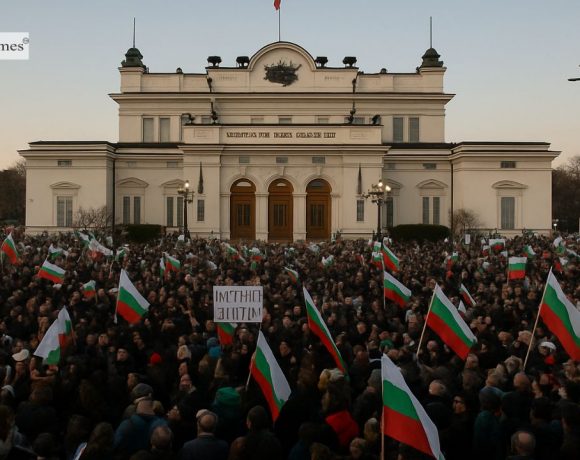
Thousands of Bulgarians gathered once again across Sofia and several other cities, demanding the resignation of Prime Minister Rosen Zhelyazkov’s minority government. Demonstrators accuse the leadership of failing to address widespread corruption and mismanaging key national issues as the country prepares to adopt the euro on January 1. Protesters projected messages like “Resignation” and “Mafia Out” onto the parliament building, signalling growing public frustration.

Despite the government’s decision to withdraw its 2026 draft budget—originally planned in euros—protests have intensified. Critics say the budget would have raised social security contributions and taxes on dividends to fund increased state spending. With Bulgaria experiencing deep political divisions and seven national elections in four years, many citizens insist that true reform must begin with fixing the judicial system.

The pressure mounts ahead of a no-confidence vote in parliament, the sixth attempt to challenge the government since January. Political leaders remain divided: while ruling coalition members vow to stay until eurozone entry, opposition groups say Bulgaria can join the euro even if the government steps down. Protest organisers argue it is time for the country to break free from oligarchic influence and restore normalcy to its political landscape.

Pic courtesy: google/ images are subject to copyright
News Trending

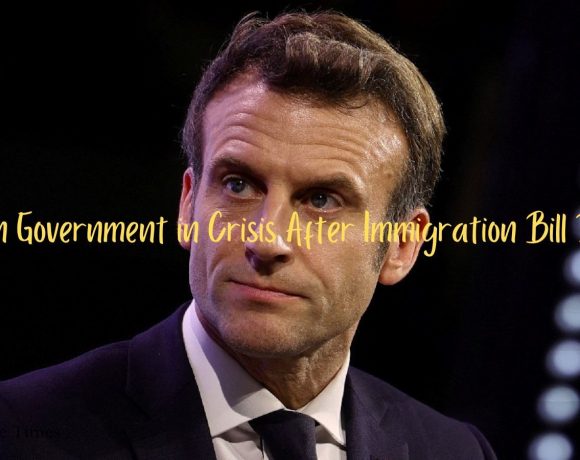
The French government, led by President Emmanuel Macron, is facing a crisis as opposition parties, spanning the political spectrum from far-right to far-left and moderate factions, joined forces to defeat a crucial immigration bill. The rejection occurred on Monday, with critics arguing that the proposed law was either too repressive (according to the left) or not stringent enough (according to the right).

Interior Minister Gérald Darmanin, known for his tough stance on immigration, offered to resign following the defeat, but President Macron declined his resignation. The government had asserted that the bill aimed to control immigration while enhancing the integration of migrants. The proposed legislation sought to streamline the deportation process for migrants sentenced to prison terms of five years or longer and impose stricter conditions on family reunification in France.

Despite Interior Minister Darmanin’s efforts to garner support for the bill, opposition MPs from various factions, including the National Rally (far-right), France Unbowed (far-left), Republicans (right-wing), and smaller parties, voted against it, leading to a 270-265 defeat for the government.

Before the vote, MP Arthur Delaporte of the Socialist party denounced the bill as “unjust, scandalous, and a threat to freedom.” President Macron’s centrist Renaissance party had lost its parliamentary majority in the June 2022 elections, making it challenging for the government to secure votes in parliament.

In response to the defeat, the government announced its intention to redraft the bill. Notably, the option used by Prime Minister Élisabeth Borne to pass laws without a vote cannot be employed to advance this revised version.

Picture Courtesy: Google/images are subject to copyright