featured News Trending

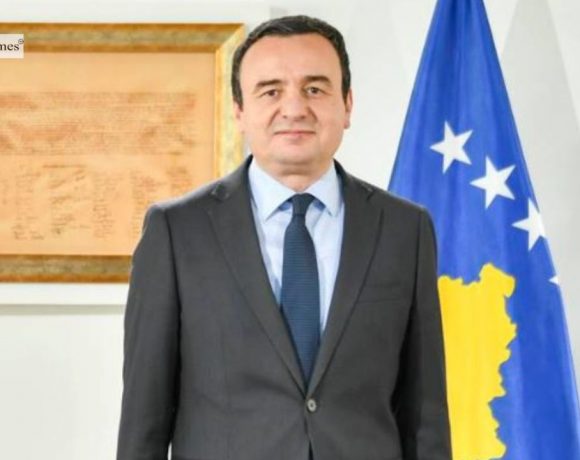
Kosovo Prime Minister Albin Kurti has vowed to quickly form a new government after his Vetevendosje Party secured nearly half of the votes in Sunday’s snap parliamentary election. The victory could end a year-long political deadlock that stalled parliament and delayed crucial international funding. Kurti emphasized the need for swift action to certify results, constitute parliament, and move forward without delay.

Kurti’s party received 49.3% of votes with 99% counted, while the main opposition parties, the Democratic Party and the Democratic League, garnered 21% and 13.6% respectively. Analysts note that Kurti may need support from smaller Albanian or minority parties to form a stable government, as conditional votes and those from the diaspora have yet to be tallied. Supporters celebrated in Pristina, waving party flags and lighting fireworks despite sub-zero temperatures.

The prolonged political impasse threatens key EU and World Bank loans totaling €1 billion, as well as the election of a new president in April. Kurti’s government faces criticism over his handling of relations with Western allies and Kosovo’s ethnically divided north. To appeal to voters, he has promised increased public sector salaries, capital investment of €1 billion annually, and a new anti-organised crime prosecution unit, aiming to address poverty and instability in the Balkan country.

Pic courtesy: google/ images are subject to copyright
featured News

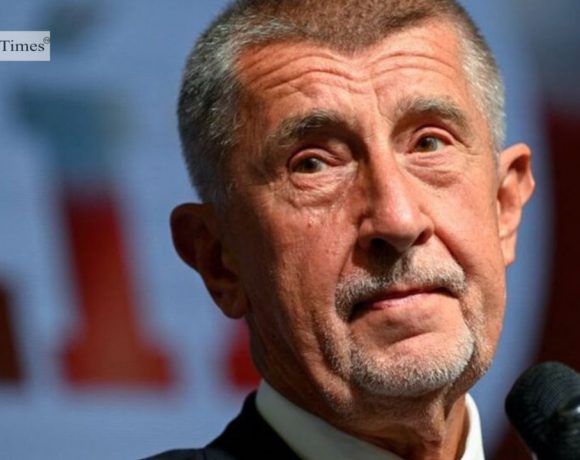
Czech ANO party leader Andrej Babis has said he will publicly reveal how he plans to restructure his extensive business assets just before his expected appointment as prime minister. The announcement aims to address concerns raised by President Petr Pavel, who insists Babis must clarify his intentions to resolve conflicts of interest before forming a new government with two right-wing parties, including the far-right SPD.

Babis, a billionaire with business interests spanning agriculture, chemicals, and healthcare, faces legal restrictions that bar government officials from owning companies receiving state or EU subsidies. While he has ruled out selling his flagship holding, Agrofert, he claims he will meet both Czech and EU rules—though he has not disclosed details. His previous attempt, placing companies into trust funds during his 2017–2021 term as prime minister, was ruled insufficient by Czech courts and the European Commission.

Legal experts and anti-corruption groups argue that the only clean solutions are selling his businesses, forgoing subsidies and public contracts, or staying out of government entirely. Despite his alliances with Europe’s far-right, Babis says he remains committed to keeping the Czech Republic firmly within the EU and NATO, even as he challenges EU climate and migration policies.

Pic Courtesy: google/ images are subject to copyright