featured News

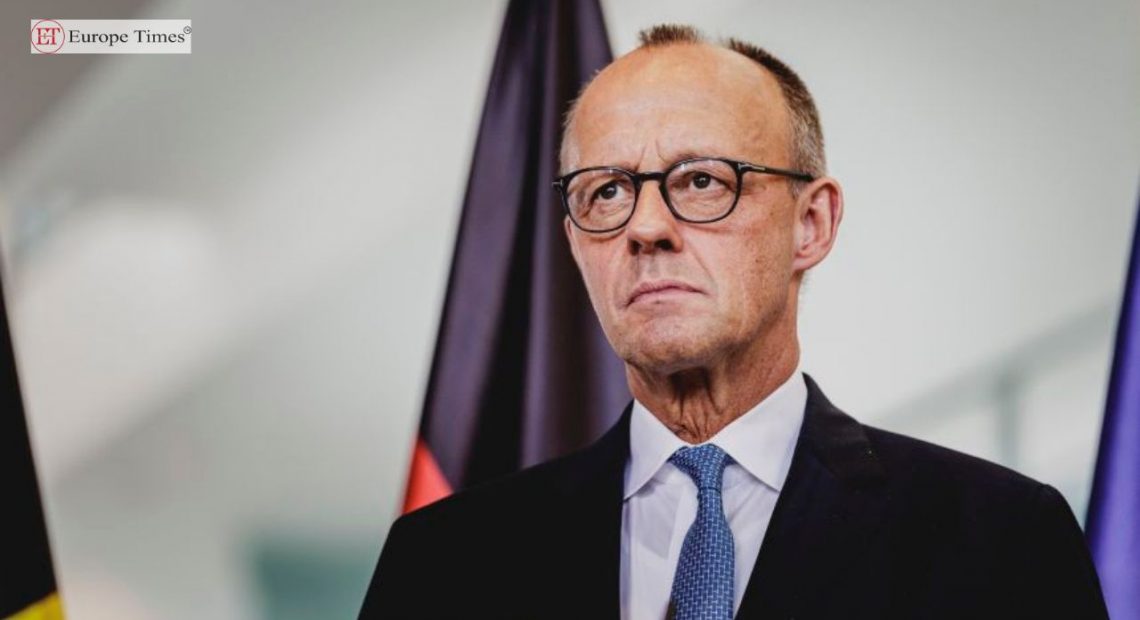
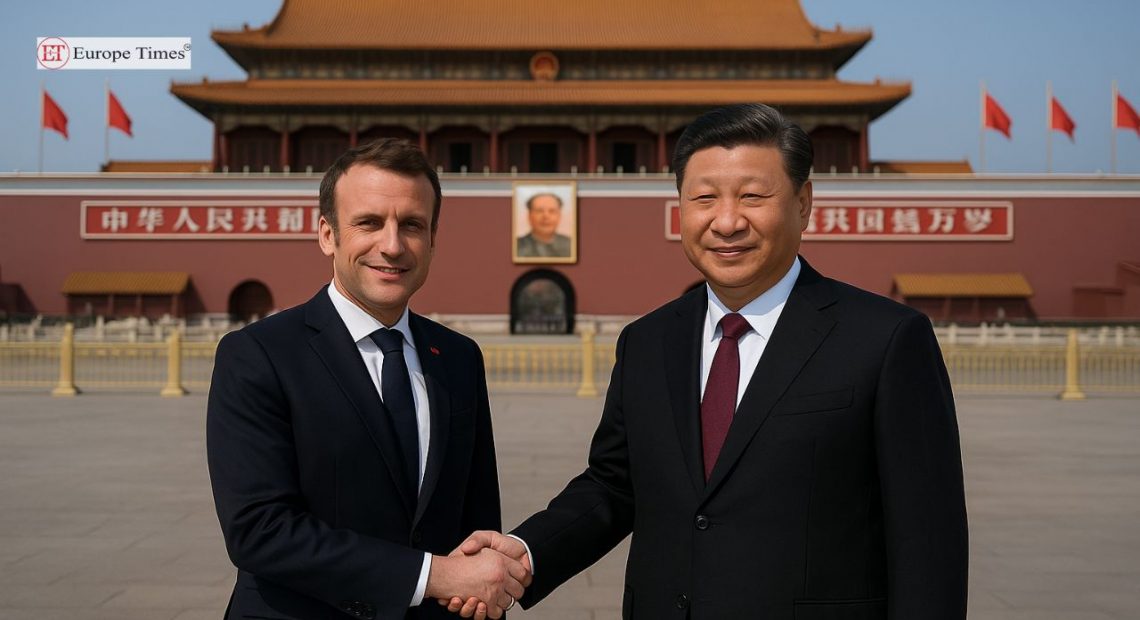
French President Emmanuel Macron will travel to China from December 3 to 5 as Europe attempts to navigate a complex balance between economic dependence and strategic rivalry with Beijing. His agenda includes meetings with President Xi Jinping in Beijing and Chengdu, where he is expected to push for fairer trade conditions, stronger market access, and more balanced technological cooperation. The visit comes as EU-China relations face growing strain, with Brussels warning that ties have reached a critical turning point.

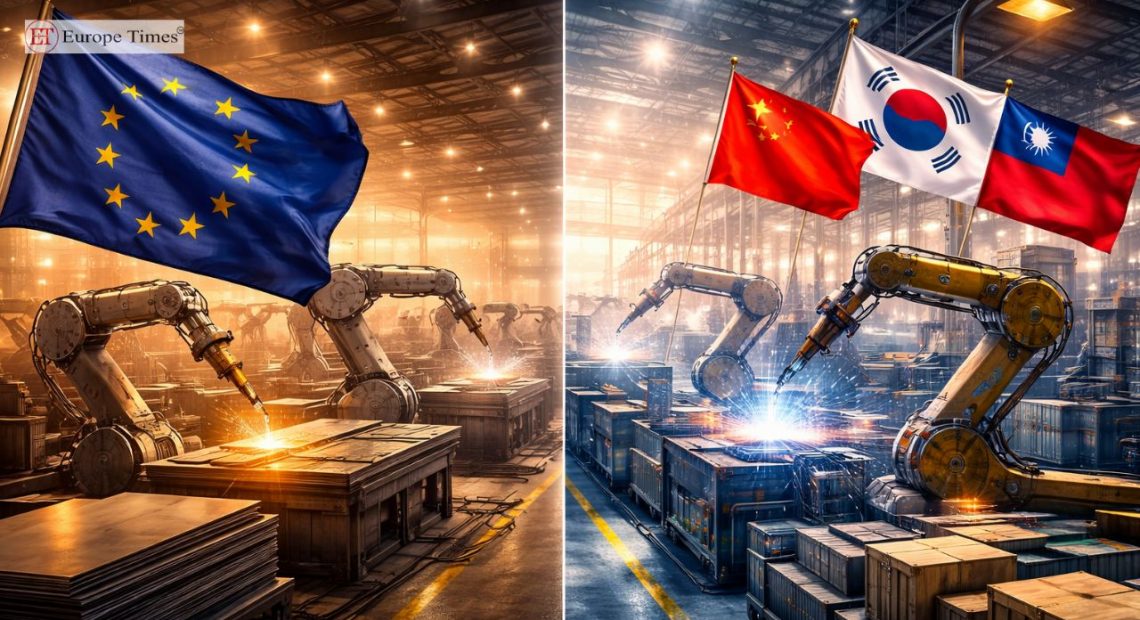
Europe’s concerns centre on China’s surge of low-cost exports—especially steel—and its dominance in electric vehicles and rare earth processing, which pose risks to key European industries. As Washington’s tariffs reshape global trade, China is positioning itself as a business-friendly alternative, even as EU leaders remain wary of Beijing’s support for Russia and its heavily subsidised industrial model. Macron’s team says he will press for a rebalanced relationship that encourages Chinese domestic consumption and shared innovation benefits.

The European Union is preparing a tougher economic security strategy, considering more assertive trade measures against China. France has backed higher tariffs on Chinese EV imports, triggering a year-long Chinese investigation into French brandy in what many saw as retaliation. Despite Airbus expanding its presence in China, a major aircraft deal is not expected during Macron’s trip, reflecting Beijing’s strategic use of aviation purchases in its broader geopolitical negotiations.

Pic Courtesy: google/ images are subject to copyright

News Trending

A prominent think tank, the Economic and Social Research Institute (ESRI), has projected solid growth for Ireland’s domestic economy in the next couple of years, driven by decreasing inflation and rising wages. They anticipate a 2.3% growth in modified domestic demand (MDD) for this year, followed by a 2.5% increase next year. MDD is a metric that filters out the influence of multinational corporations on Ireland’s economy. In 2023, MDD only saw a modest 0.5% growth due to factors like inflation and higher interest rates dampening spending and investment.

Despite a strong post-pandemic recovery, Ireland’s economic momentum slowed notably in 2023, partly due to increased inflation which hindered household finances. The ESRI noted a lack of real pay growth during 2022 and 2023. Real pay, adjusted for inflation, is a key indicator of changes in living standards. Both the ESRI and Ireland’s Central Bank anticipate an increase in real pay this year.

Traditionally, Gross Domestic Product (GDP) serves as the primary measure of economic performance; however, Ireland’s GDP is heavily skewed by multinational activities. Official data indicated a 3.2% contraction in Irish GDP in 2023. Usually, Irish GDP overestimates economic growth, but recent trends have shown the opposite, partly due to decreased sales and exports from US pharmaceutical companies’ Irish operations post-pandemic. The ESRI anticipates a recovery in Irish GDP over the next two years, driven by global trade improvements.

The ESRI also underscored the pressing need for Ireland to address well-documented infrastructure challenges, particularly in areas like housing, renewable energy, and public transport. Notably, plans for an underground rail link connecting Dublin Airport to the city center have reached the public planning hearings stage after more than two decades since the project’s inception.

Picture Courtesy: Google/images are subject to copyright

News Trending

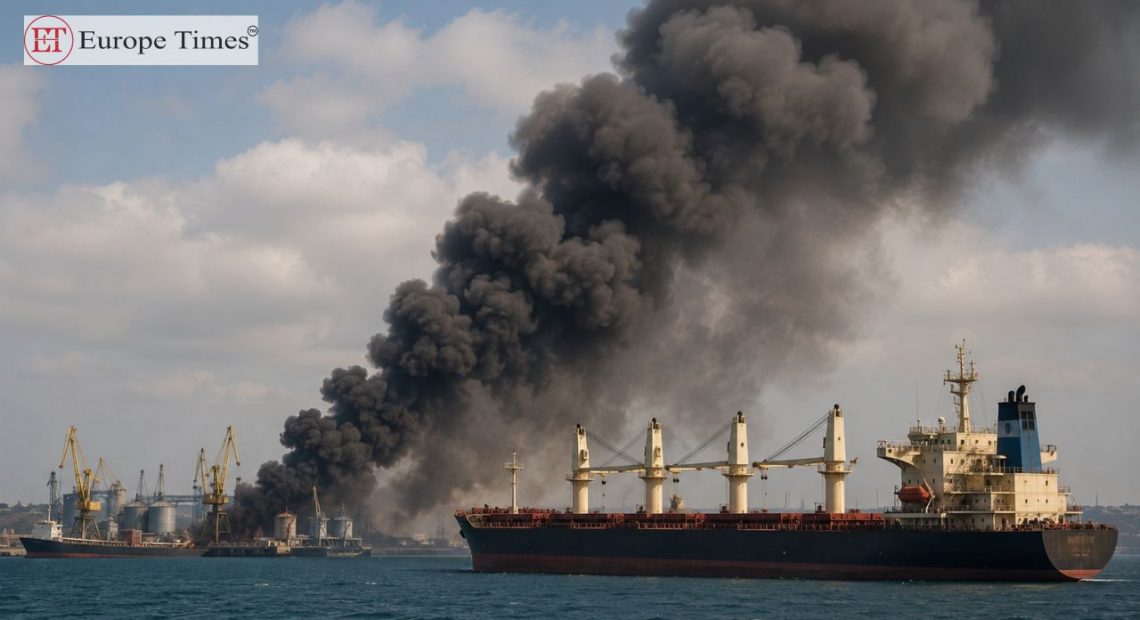
One of the world’s largest shipping companies, AP Moller-Maersk, has announced plans to cut an additional 3,500 jobs, following a previous reduction of 6,500 positions earlier in the year. The decision comes as a response to diminished demand and reduced freight rates. Maersk experienced a significant decline in profits, plummeting by 92% during the latest quarter.

The company highlighted the deteriorating prices for sea freight as the primary factor necessitating further job cuts. While the initial period of the COVID-19 pandemic saw a surge in demand and shipping costs, the situation has since shifted. The resurgence of inflation and the impact of increased interest rates have dampened consumer spending, leading to decreased demand for shipping services.

Maersk’s chief executive, Vincent Clerc, acknowledged the challenging circumstances, emphasizing the need for cost-saving measures in light of the current industry landscape. Despite the drastic staff reductions, the company aims to save approximately £600m next year.

The recent announcement will bring Maersk’s global workforce below 100,000, with 2,500 of the job cuts expected to take place in the coming months, and the remainder in 2024. The company has refrained from disclosing the specific locations or job roles that will be affected.

The market response to Maersk’s latest developments was negative, with shares in the group declining by 11.1% following the announcement. The company remains cautious about its revenue and profit expectations, anticipating that both figures will likely fall at the lower end of its estimations. Additionally, Maersk warned that global economic slowdown, financial risks, and geopolitical tensions, such as strained relations between China and the US, conflicts in Ukraine and the Middle East, could impede any anticipated improvements in the final quarter of this year and affect volumes in 2024.

Picture Courtesy: Google/images are subject to copyright