featured News Trending

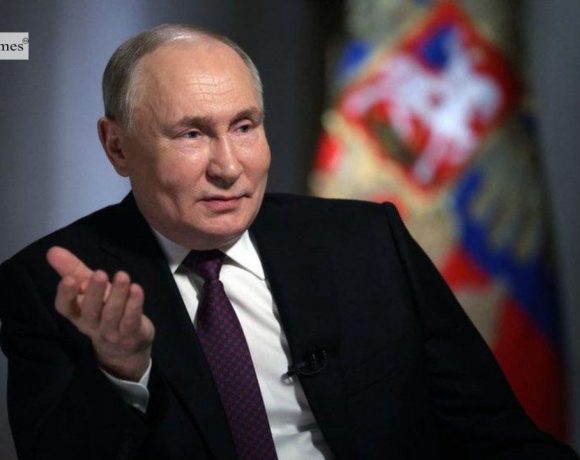
Russian President Vladimir Putin has said Russia would not launch any new wars after Ukraine if Western countries treat Moscow with respect and acknowledge its security interests. Speaking during his annual “Direct Line” televised marathon, Putin dismissed claims that Russia plans to attack Europe as “nonsense” and said further military operations could be avoided if the West stopped what he described as deception, particularly over Nato’s eastward expansion.

Answering questions from the BBC and other international journalists, Putin repeated that Russia was open to ending the war in Ukraine “peacefully,” but only on its own terms. He reiterated demands that Ukrainian forces withdraw from regions partially occupied by Russia and abandon efforts to join Nato. Putin also claimed Russian forces were advancing on the battlefield and insisted that responsibility for blocking peace lay with Western governments and Ukraine’s European backers, not Moscow.

The lengthy broadcast, which mixed foreign policy with domestic concerns, came as fighting in Ukraine continued, with Ukrainian officials reporting deadly Russian missile strikes hours after the event. Putin acknowledged economic pressures at home, including rising prices and higher taxes, while portraying Russia as resilient. He concluded by saying Russia was ready to cooperate with the US, Europe, and the UK as equals, provided its long-term security was guaranteed, accusing the West of deliberately turning Russia into an enemy.

Pic courtesy: google/ images are subject to copyright
featured News

Germany said on Thursday it would work to convince U.S. President Donald Trump to reverse his decision to exclude South Africa from next year’s G20 summit in Florida. Trump has repeatedly accused South Africa’s black-majority government of mistreating its white population, citing widely debunked claims of attacks on white farmers. These assertions led Washington to boycott the recent G20 summit in Johannesburg, despite the group adopting a joint declaration on climate and global challenges.

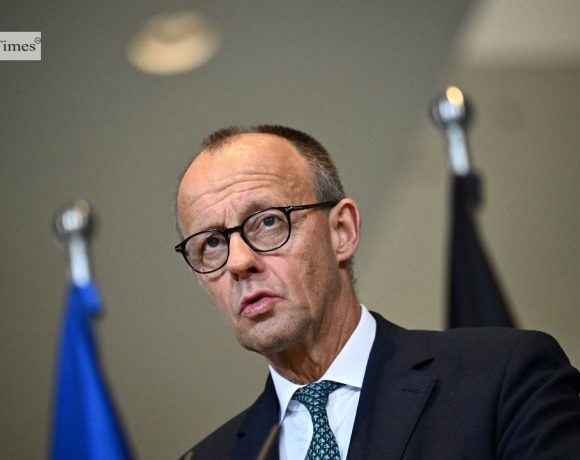
South African President Cyril Ramaphosa’s office said several G20 members had privately expressed support for Pretoria after Trump’s comments. German Chancellor Friedrich Merz publicly stated he would lobby Trump to extend an invitation to South Africa, stressing that G20 and G7 forums should not be reduced without solid justification. South Africa, however, said it would not campaign for backing from individual countries, noting the delicate diplomatic position many face with the United States.

Trump’s criticism intensified after he claimed South Africa mishandled the handover of the G20 presidency—an allegation Pretoria denies, saying the U.S. delegation was not present at the time. Although it is unclear how the U.S. could formally block South Africa’s participation, experts suggest visa denials could be one tactic. The dispute adds fresh strain to already tense U.S.–South Africa trade negotiations, which have been affected by new U.S. tariffs and cuts to financial assistance earlier this year.

Pic Courtesy: google/ images are subject to copyright