featured News Trending

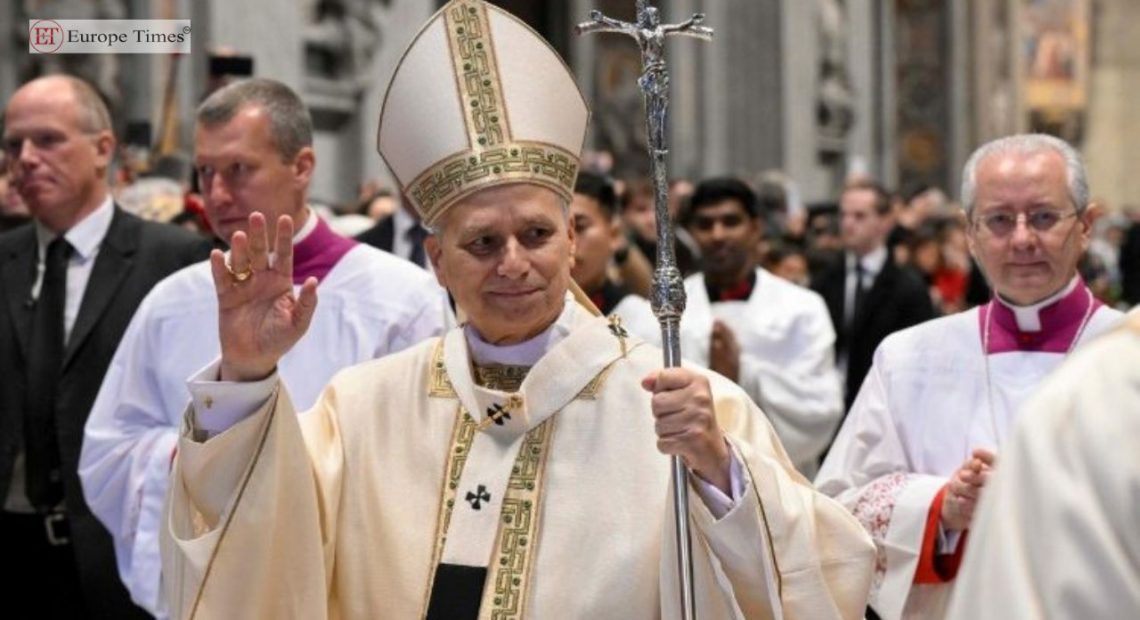
Pope Leo on Friday delivered a sharply worded annual foreign policy speech at the Vatican, condemning the growing use of military force to achieve diplomatic goals and warning that global conflicts are becoming increasingly normalized. Addressing ambassadors from 184 countries, the first U.S.-born pope said international institutions were failing to restrain wars, as diplomacy based on dialogue was being replaced by diplomacy rooted in force.
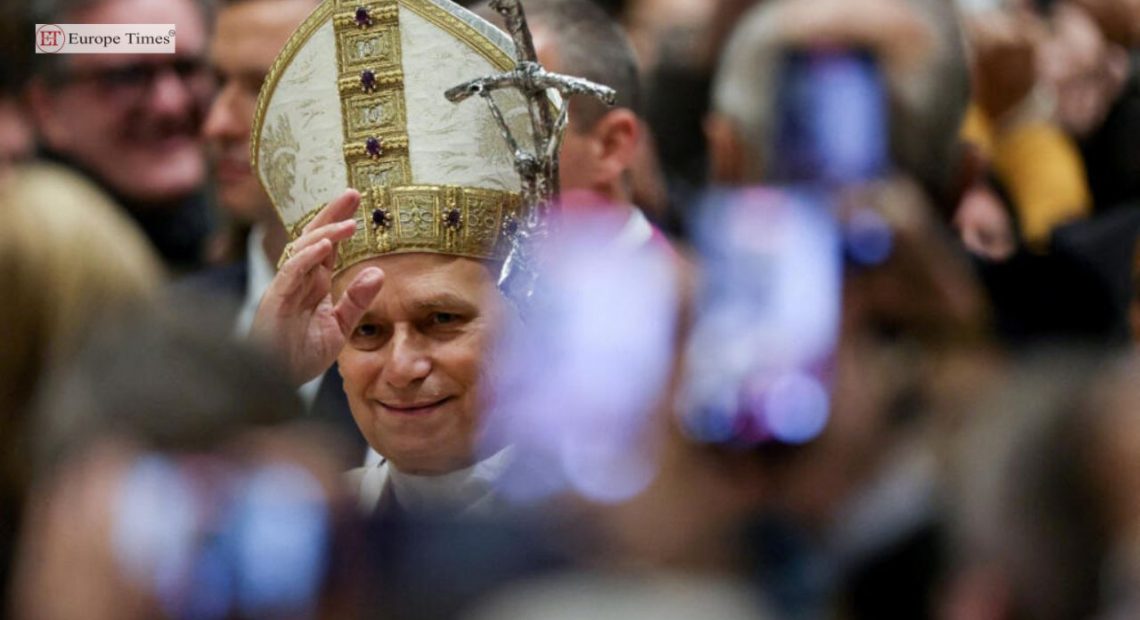
Referring to recent events in Venezuela, including the capture of President Nicolas Maduro by U.S. forces, Leo urged governments to “respect the will” of the Venezuelan people and safeguard their human and civil rights. He stressed that protecting democratic choice and basic freedoms must remain central to international engagement, particularly in politically fragile nations.

In a notably fiery tone, Leo also criticized abortion, euthanasia and surrogate births, while warning that freedom of expression was shrinking in Western societies. He cautioned against what he called an emerging “Orwellian-style language” that excludes dissenting views under the guise of inclusivity, and highlighted what he described as subtle religious discrimination against Christians in Europe and the Americas.

Pic courtesy: google/ images are subject to copyright

featured News Trending

In his first Christmas sermon, Pope Leo made an unusually direct appeal regarding the humanitarian crisis in Gaza, asking how people could ignore Palestinians living in tents exposed to rain, wind, and cold. The U.S.-born pope, known for his quieter and diplomatic style, usually avoids political commentary in sermons, but he emphasized the plight of vulnerable populations worldwide, linking their suffering to the message of Jesus’ birth in a humble stable.

During the “Urbi et Orbi” blessing, Leo also addressed broader global issues, calling for an end to wars and lamenting the destruction caused by conflicts in Ukraine, Sudan, Mali, Myanmar, Thailand, and Cambodia. He highlighted the struggles of young people forced into combat and the ongoing humanitarian challenges, stressing the importance of dialogue, reconciliation, and international support.

The pope’s remarks also extended to the homeless and migrants, reflecting his early papacy’s focus on caring for vulnerable communities. He reiterated that resolving long-standing conflicts, including the decades-long Israeli-Palestinian dispute, requires practical solutions such as the establishment of a Palestinian state, while urging all parties to work toward peace and humanitarian relief.

Pic courtesy: google/ images are subject to copyright

News Trending

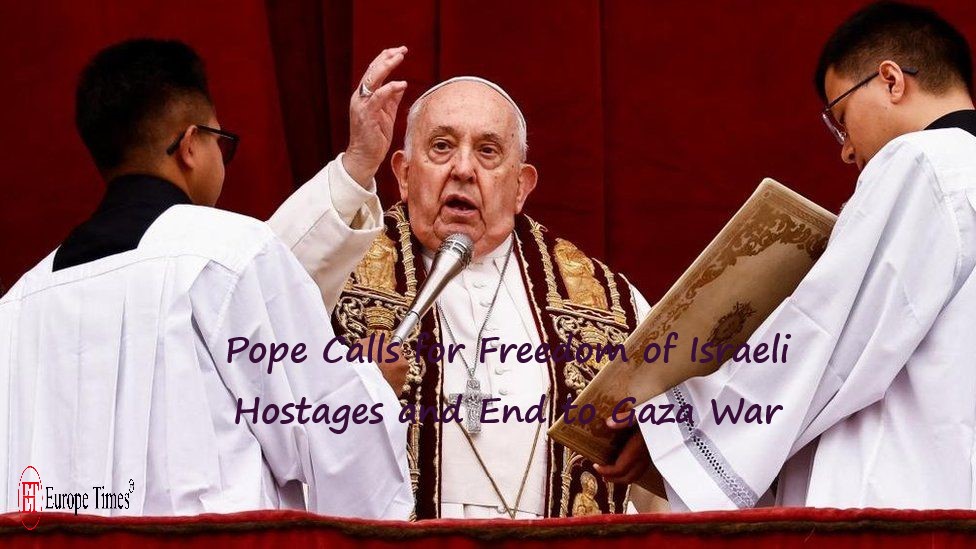
Pope Francis delivered a Christmas Day message at St Peter’s Basilica, calling for an end to the war in Gaza and the release of Israeli hostages held by Hamas. Expressing sorrow for the victims of the October 7 attack, he urgently appealed for the liberation of those still held hostage and pleaded for an end to military operations that result in innocent civilian casualties.

The Pope also emphasized the need for increased humanitarian aid to address the desperate situation in Gaza. He highlighted the appalling impact of the conflict and urged for a solution to the humanitarian crisis through the provision of necessary aid.

In addition to addressing the Israel-Hamas conflict, Pope Francis touched on other global conflicts. He called for peace in Ukraine, where the war with Russia has persisted for nearly two years. The Pope also expressed his prayers for political and social stability in Syria, Lebanon, and Yemen—countries marked by prolonged periods of war and unrest.

Beyond specific regions, Pope Francis advocated for peaceful solutions to conflicts in various parts of the world, including Armenia and Azerbaijan, as well as in different areas of Africa and on the Korean Peninsula. His message resonated with a plea for harmony and resolution in troubled spots across the globe.

In his address, Pope Francis extended his concerns to millions of migrants worldwide, highlighting their plight as “the little Jesuses of today.” He emphasized the challenges faced by migrants on perilous journeys undertaken in desperation and in search of hope, calling for compassion and understanding in addressing their struggles.

Picture Courtesy: Google/images are subject to copyright