
featured News Trending

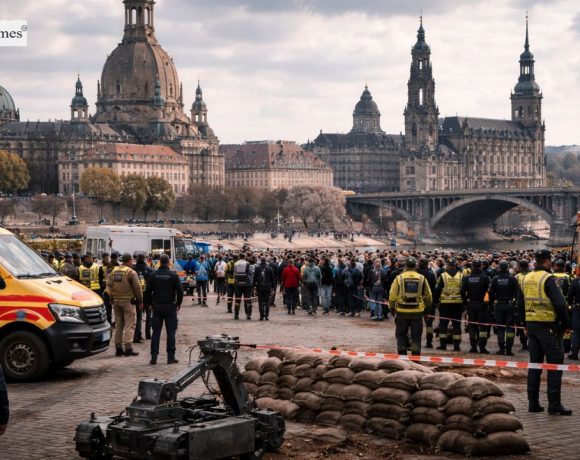
Authorities in Dresden, Germany, are evacuating large parts of the city centre after a 250kg unexploded British World War Two bomb was discovered near the site of the Carola Bridge, which collapsed into the Elbe River in 2024. Officials say around 18,000 residents, tourists and commuters will be affected as emergency teams prepare to defuse the device. Authorities have cordoned off much of the historic old town as a precaution.

The evacuation zone includes several of the city’s major landmarks, such as the Frauenkirche, the Dresden Residenzschloss, and the Semperoper. Police headquarters, Saxony’s state parliament, government ministries, retirement homes, daycare centres and other institutions are also within the restricted area. Emergency accommodation has been arranged at the Dresden Exhibition Centre, with additional buses and trams operating to assist people leaving the zone.

The discovery highlights the lasting impact of the Bombing of Dresden in World War II, when British and US forces dropped nearly 4,000 tons of bombs on the city in February 1945, killing about 25,000 people and devastating its historic centre. The attack remains one of the most debated Allied operations of the war, and unexploded bombs from that period are still occasionally found during construction and demolition work.

Pic courtesy: google/ images are subject to copyright
featured News

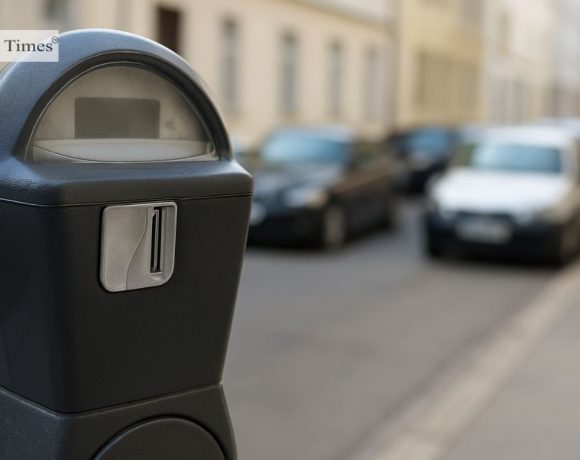
Authorities in the German town of Kempten have arrested a parking inspector and his wife on suspicion of embezzling more than €1 million from local parking meters. Police believe the municipal employee repeatedly removed coins from meters over numerous occasions and deposited the money into bank accounts accessible to his wife. A money-laundering alert from a financial institution triggered the investigation, ultimately linking the couple to 720 alleged incidents of theft.

The arrests took place on 24 November after police searched office premises at dawn. The 40-year-old inspector and his 38-year-old wife are now being held in separate detention facilities as the investigation continues. Officials have not disclosed how long the scheme may have been operating or how the total amount accumulated. Due to ongoing legal proceedings and privacy regulations, the suspects’ names have not been released.

Kempten Mayor Thomas Kiechle expressed shock at the allegations, stating he was “stunned and dismayed.” He has formed a commission to review the municipality’s internal processes, identify vulnerabilities, and prevent future misconduct. Kiechle emphasised support for the investigation while reiterating that the presumption of innocence remains until the case is concluded.

Pic Courtesy: google/ images are subject to copyright
featured News

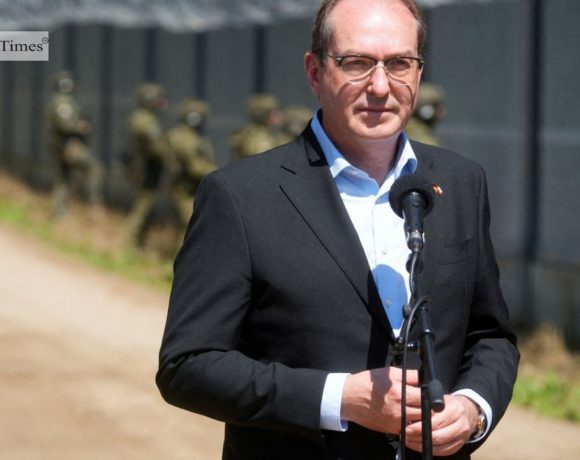
Germany is preparing to classify the use of date rape drugs as the equivalent of using a weapon in criminal cases, aiming to impose stricter punishments for sexual assault and domestic violence. Interior Minister Alexander Dobrindt said the move is designed to close legal loopholes and ensure stronger protection for victims, noting that these drugs are increasingly used as tools to commit serious offences.

According to police data, nearly 54,000 cases of sexual crimes were recorded in 2024 in Germany — an increase of 2.1% from the previous year. Around 36% of the reported incidents involved rape or serious sexual assault. Meanwhile, domestic violence cases rose to almost 266,000, marking the highest numbers ever recorded and reflecting a 3.8% increase compared to 2023. Authorities believe the real figures are likely much higher due to underreporting.

The German government has also approved new measures including electronic ankle monitoring for violent offenders and alert devices that warn victims if the perpetrator is nearby. Officials say the proposed bill, which includes a minimum sentence of five years for using date rape drugs in assault, will be re-tabled after a postponed parliamentary debate.

Pic Courtesy: google/ images are subject to copyright
featured News

A controversial auction in Germany featuring more than 600 artefacts from Nazi concentration camps has been cancelled following intense backlash from Holocaust survivors, politicians and the public. Polish Deputy Prime Minister Radoslaw Sikorski confirmed the decision on Sunday, thanking his German counterpart Johann Wadephul for stepping in and insisting that “such a scandal must be prevented”. Items reportedly included a prisoner’s letter from Auschwitz and documents related to forced sterilisation at Dachau.

The planned sale by auction house Auktionshaus Felzmann had prompted strong condemnation, with critics arguing that these items were not suitable for private collections and should instead be preserved in museums or memorial institutions. Christoph Heubner of the International Auschwitz Committee said the sale was “cynical and shameless”, deeply hurting survivors and families of victims. Germany’s State Minister for Culture echoed the concerns, stating that such documents must remain out of private hands.

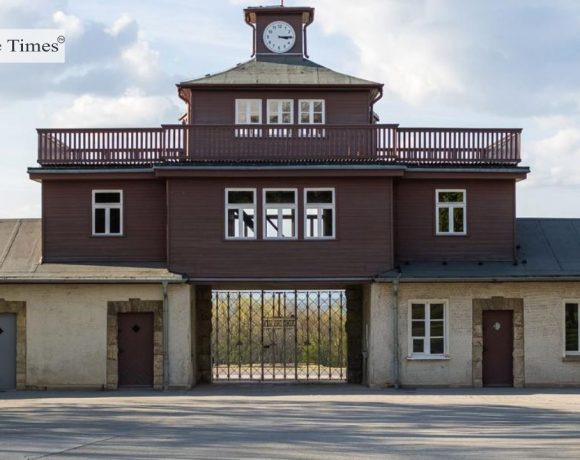
Poland’s culture ministry has now launched a probe into how these artefacts surfaced and whether any should be repatriated. Many of the items were believed to originate from Auschwitz and Buchenwald, two of the most infamous Nazi concentration camps where millions of Jews, Poles, Roma and Soviet prisoners lost their lives. Advocates insist that the objects belong to victims’ families or public remembrance spaces, not commercial auctions.

Pic Courtesy: google/ images are subject to copyright