featured News Trending

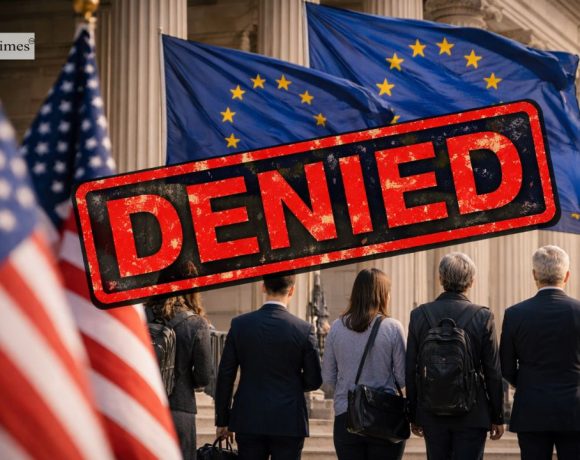
The European Union, along with France and Germany, strongly condemned U.S. visa bans on five European citizens, including former EU commissioner Thierry Breton, who have been involved in combating online hate and disinformation. Washington accused them of censoring free speech and imposing undue restrictions on U.S. tech companies, a move that European officials described as unjustified and an infringement on Europe’s legislative autonomy. French President Emmanuel Macron emphasized the importance of protecting Europe’s independence and the freedom of its citizens.

Breton, who helped design the EU’s Digital Services Act (DSA), faced particular scrutiny from the Trump administration. The DSA requires tech companies to tackle illegal content such as hate speech and child sexual abuse material, but the U.S. argued it unfairly targets American platforms and citizens. Previous disputes, including fines against Elon Musk’s X platform, have heightened tensions between Brussels and Washington over internet regulation and freedom of expression.

The visa bans also affected activists from the U.K. and Germany, with both countries expressing support and solidarity. German authorities called the bans unacceptable, noting that digital rules are determined in Europe, not Washington. British and international organizations described the U.S. actions as authoritarian and an attack on free speech, while the EU signaled it may respond decisively to what it views as a coercive measure undermining democratic norms.

Pic courtesy: google/ images are subject to copyright

featured News Trending

The United States has barred five European figures, including former EU commissioner Thierry Breton, from entering the country, accusing them of pressuring technology companies to censor or suppress American viewpoints. Secretary of State Marco Rubio said the individuals led organised efforts to coerce US platforms through regulations targeting disinformation, framing the move as a defence of free speech against foreign influence.

The visa bans are the latest step in the Trump administration’s pushback against European Union regulations such as the Digital Services Act (DSA), which seeks to curb hate speech and misinformation online. Washington argues that the law unfairly targets American companies and restricts free expression. Rubio described the actions of the targeted individuals and organisations as part of a broader campaign by “weaponised NGOs” and foreign states to impose censorship on US speakers and businesses.

Those named include Imran Ahmed of the Centre for Countering Digital Hate, HateAid leaders Josephine Ballon and Anna-Lena von Hodenberg, Global Disinformation Index head Clare Melford, and Breton, whom US officials labelled a key architect of the DSA. The move, which uses immigration law rather than sanctions, drew sharp criticism from those affected, with responses calling the decision authoritarian and an attack on free speech, even as European officials and activists warned of rising tensions over digital governance.

Pic courtesy: google/ images are subject to copyright
featured News

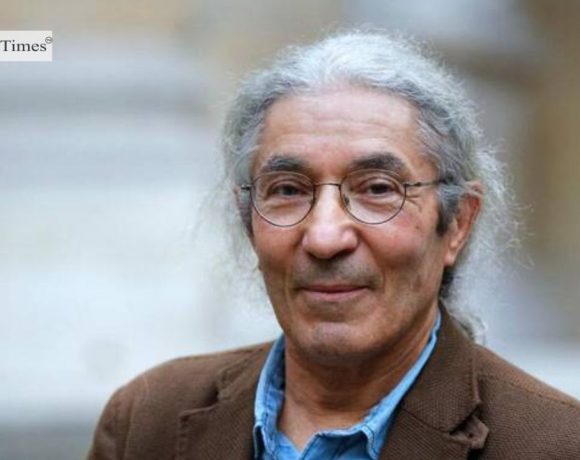
Almost a year after his arrest at Algiers airport, French-Algerian novelist Boualem Sansal, 81, has been pardoned by the Algerian presidency and allowed to leave the country. Sansal, who has been at the center of a tense diplomatic row between Paris and Algiers, departed for Germany on a military plane to receive medical treatment for prostate cancer.

The release came after German President Frank-Walter Steinmeier directly appealed to Algerian President Abdelmadjid Tebboune, leveraging his trusted relationship with the Algerian leader. French President Emmanuel Macron thanked Tebboune for the “act of humanity,” highlighting France’s respectful and calm approach in securing Sansal’s freedom.

Sansal had been sentenced to five years in prison in July for remarks deemed to undermine national unity, having long been critical of the Algerian government. His pardon was granted on humanitarian grounds due to his advanced age and fragile health, overriding earlier unsuccessful appeals from France.

Pic Courtesy: google/ images are subject to copyright
News Trending

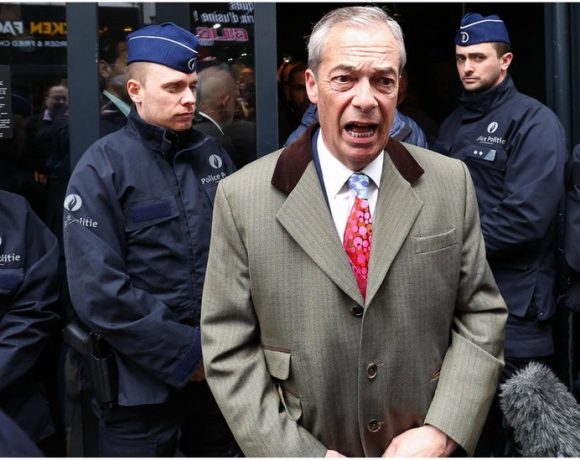
Brussels police are enforcing an order to shut down the National Conservatism Conference, preventing further entry of guests. Concerns over public safety prompted local authorities to oppose the event, which aimed to gather right-wing politicians like Nigel Farage and Hungarian Prime Minister Viktor Orban, along with figures such as former UK Home Secretary Suella Braverman and French politician Eric Zemmour. Organized by the Edmund Burke Foundation, the conference advocates for traditional values and opposes European integration.

The mayor expressed concerns over some attendees holding anti-gay and anti-abortion views, stating that the far right is unwelcome. The conference began as scheduled but was interrupted by police, leaving attendees unable to re-enter and facing limited access to necessities. Farage criticized the decision to close the event, condemning it as an infringement on free speech.

French politician Eric Zemmour, denied entry, accused the mayor of using the police to suppress European participation. Organizers vowed to challenge the closure, highlighting the peaceful nature of the event. The conference, originally planned to accommodate 850 people, had around 250 attendees. This was the third venue attempt, as previous locations backed out due to pressure from an antifascist group.

Picture Courtesy: Google/images are subject to copyright

News Trending

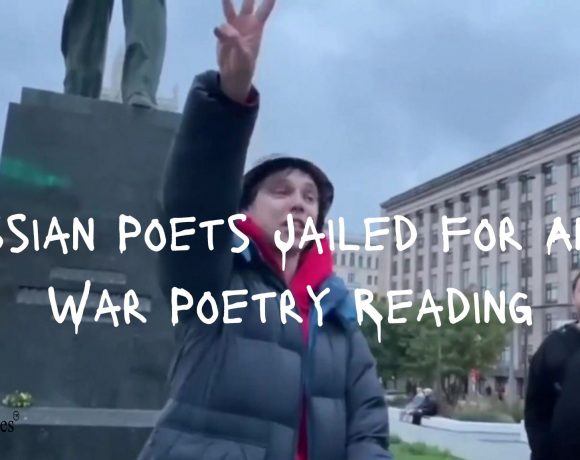
In Moscow, two Russian poets, Artyom Kamardin and Yegor Shtovba, have been handed lengthy prison sentences for their involvement in a poetry reading featuring anti-war poems. Kamardin received a seven-year sentence, while Shtovba was given five and a half years. Both poets faced charges of “inciting hatred” against Russian troops and making “appeals against state security,” despite pleading not guilty. This harsh punishment is part of a broader crackdown on dissent in Russia, where individuals expressing opposition to the government’s actions face severe consequences.

The sentencing of Kamardin and Shtovba is emblematic of a disturbing trend in Russia, where the government has intensified its efforts to stifle dissent and criticism. The poets participated in the Mayakovsky Readings, an event that took place on September 25, 2022, in Moscow, shortly after President Vladimir Putin announced a “partial mobilization” campaign for the war in Ukraine. The charges against them are part of an alarming pattern of using state security as a pretext to suppress voices critical of the government’s actions, reflecting a broader erosion of free expression and civil liberties in the country.

The Mayakovsky Readings, a historical poetry event that has taken place since the 1950s, has become a symbol of resistance to oppressive regimes. However, in the current climate of heightened political tensions and military actions, such gatherings are increasingly deemed unsafe. The group had previously faced persecution during the Soviet era, with participants accused of anti-Soviet propaganda and sentenced to gulags. The recent suspension of the Mayakovsky Readings in October 2022 underscores the growing challenges faced by those who seek to express dissent in an increasingly restrictive environment.

The crackdown on dissent in Russia has reached alarming levels, with activists, poets, and opposition figures facing imprisonment for expressing criticism of the government’s actions, particularly in the context of the full-scale invasion of Ukraine. The sentences handed to Kamardin and Shtovba are part of a broader pattern of silencing voices that challenge the official narrative, raising concerns about the state of democracy and human rights in Russia.

Picture Courtesy: Google/images are subject to copyright