
featured News

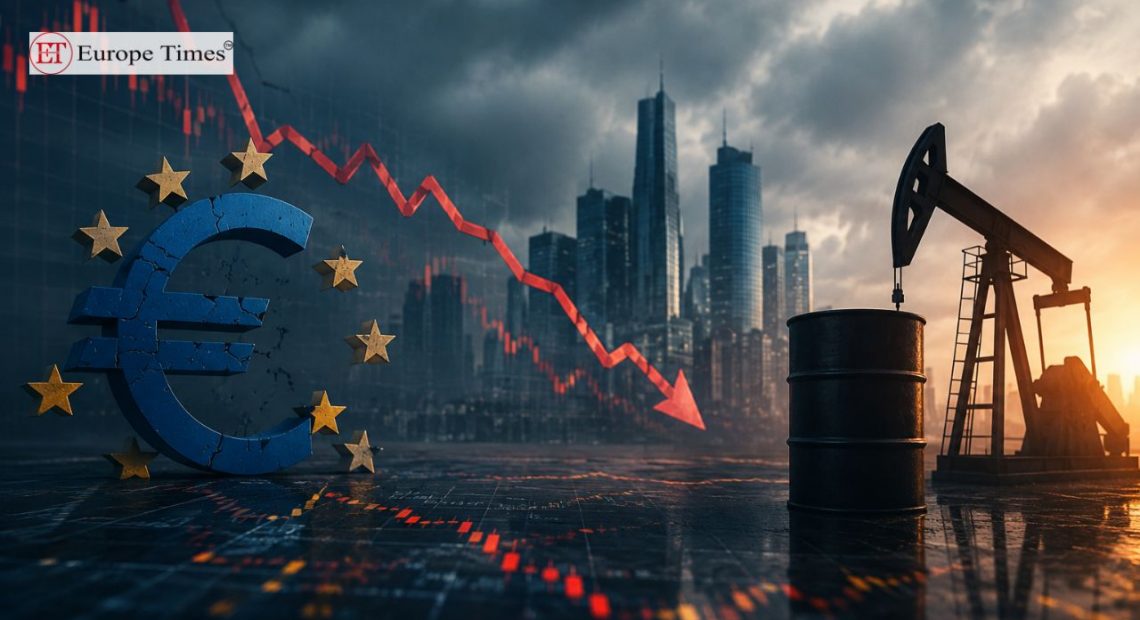
Europe’s economy is facing mounting pressure as the ongoing Iran war drives up energy costs and weakens business activity across the region. Fresh data showed the euro zone economy contracted at its fastest pace since late 2023, with rising fuel and living costs reducing consumer demand and hurting the services sector. Economists warned the crisis is adding to the financial strain many households have faced since the pandemic-era cost-of-living surge.

The latest S&P Global survey showed the euro zone Composite PMI dropped to 47.5 in May, signaling continued economic contraction, while countries including Germany and France reported declining private sector activity. Businesses cited higher fuel and energy expenses, weaker orders, and growing economic uncertainty as major challenges. Inflationary pressures also intensified, with companies increasing prices at the fastest pace in more than three years.

The worsening outlook is creating a difficult balancing act for policymakers and the European Central Bank. While inflation remains above the ECB’s target, slowing growth and rising job losses are increasing fears of a broader recession. The European Commission has already downgraded its growth forecasts for the euro zone and warned that prolonged energy disruptions could weaken the economy even further in the coming months.

Pic courtesy: google/ images are subject to copyright

featured News

France’s economy is poised to grow 0.2% in the fourth quarter of 2025, supported mainly by strong industrial activity, according to the Bank of France’s latest business sentiment survey. Although slower than the 0.5% recorded in the previous quarter, the country remains on track to meet or potentially exceed the government’s full-year growth target of 0.8%, showing resilience despite ongoing political instability.

The central bank’s survey of around 8,500 companies between Nov. 26 and Dec. 3 revealed that industrial performance continues to surpass expectations for the sixth straight month. Production of computer, electronic and optical goods led the surge, while automotive and agro-food sectors also showed renewed strength, broadening the industrial recovery.

In contrast, services and construction have remained mostly flat heading into December. Businesses expect industrial activity to continue growing, though at a slower rate, while services and building activity are forecast to show little change. Despite the political challenges facing minority governments in passing budgets, the industrial sector remains the backbone of France’s near-term economic momentum.

Pic courtesy: google/ images are subject to copyright