
featured News Trending

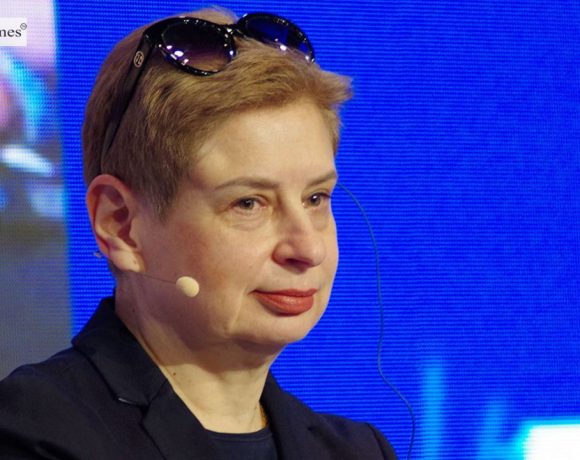
Russia has officially designated U.S.-based academic Nina Khrushcheva, the great-granddaughter of former Soviet leader Nikita Khrushchev, as a “foreign agent,” a label commonly applied to critics of the Kremlin. Khrushcheva, a professor at The New School in New York, was added to a growing list of individuals accused by Moscow of engaging in anti-Russian activities, bringing the total number on the registry to more than 1,100.

Khrushcheva said she was not surprised by the decision, noting what she described as historical irony given her great-grandfather’s role in denouncing Joseph Stalin in 1956. The designation comes amid renewed debate in Russia over Soviet history and leadership legacies, as Stalin’s reputation has seen a resurgence while criticism of state policies has faced tighter scrutiny.

Russian authorities claim Khrushcheva spread false information about government policies and opposed the country’s military actions in Ukraine. Individuals labeled as foreign agents must comply with strict reporting rules and attach disclaimers to publications and social media posts, a requirement critics say stigmatizes and restricts their professional activities.

Pic courtesy: google/ images are subject to copyright

News Trending

Georgia’s parliament is on the verge of passing a highly controversial “foreign agent” law, despite facing significant opposition from both within and outside the ruling Georgian Dream party. Critics of the proposed legislation, often referred to as the “Russia law,” argue that it poses a severe threat to civil liberties within the country.

The bill has sparked weeks of mass protests, with thousands of people gathering near the parliament building to voice their opposition. Protesters fear that if the law is enacted, it could be exploited by the government to suppress dissenting voices and undermine Georgia’s aspirations to join the European Union.

Prime Minister Irakli Kobakhidze has remained steadfast in his support for the bill, vowing that it will pass despite the ongoing protests. He has issued warnings about the consequences of not implementing the law, drawing parallels to the situation in Ukraine without providing specific details.

President Salome Zurabishvili, although an opponent of Kobakhidze, has expressed her intention to veto the law. However, Georgian Dream holds sufficient parliamentary support to override her veto, indicating that the bill is likely to be approved.

The proposed legislation would require NGOs and independent media outlets that receive more than 20% of their funding from foreign sources to register as organizations with foreign interests. They would be subject to government monitoring and could face significant fines if they fail to comply with the regulations outlined in the law. Critics argue that this would create a chilling effect on freedom of expression and civil society in Georgia.

Picture Courtesy: Google/images are subject to copyright