
featured News Trending

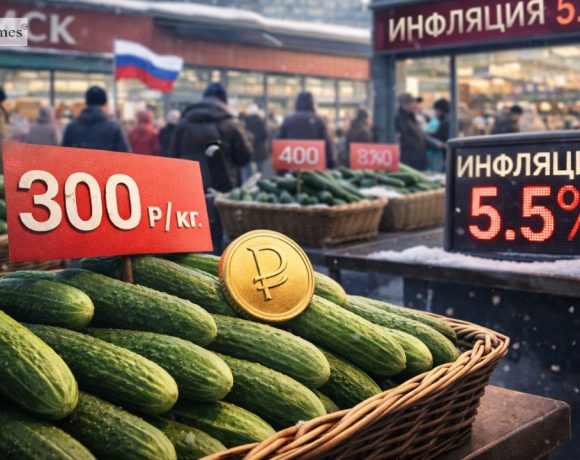
In Russia, the once-humble cucumber has become the latest symbol of rising living costs, with official data showing prices have doubled since December to more than 300 roubles per kilogram. Shoppers across cities such as Omsk have expressed anger as social media posts reveal even steeper mark-ups in some stores. The spike has drawn attention at a time when the country is grappling with economic strain linked to the prolonged war in Ukraine and broader inflationary pressures.

Under mounting criticism, Russia’s anti-monopoly regulator has sought explanations from producers and retailers. Politicians, including members of the ruling United Russia party, have voiced concern ahead of parliamentary elections. Sergei Mironov, leader of the A Just Russia party, mocked official claims that seasonality was to blame, comparing the situation to last year’s surge in potato prices and questioning how ordinary citizens are expected to cope with the rising cost of basic foods.

The price surge comes as overall inflation has climbed and the central bank forecasts annual inflation of up to 5.5%. With cucumbers now sometimes costing more than imported fruit like bananas, some Siberian supermarkets have limited purchases per customer, while one popular newspaper has distributed seeds encouraging readers to grow their own. Though authorities have managed similar price spikes in the past and there are no signs of widespread unrest, the episode underscores growing public anxiety over household expenses during a challenging economic period.

Pic courtesy: google/ images are subject to copyright
News Trending

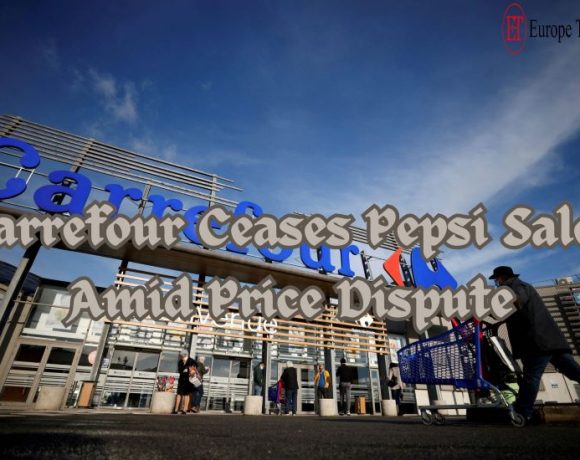
French supermarket giant Carrefour has announced its decision to cease selling Pepsi products in its stores due to what it deems “unacceptable price increases.” The move, affecting items like Pepsi soda, Doritos, and Quaker cereals, was communicated to customers through signs displayed in stores. Pepsi has expressed its commitment to continuing negotiations in “good faith” despite the disagreement.

The disagreement arises amid France’s struggle with rapidly increasing food prices, as indicated by a recent report showing a 7.1% rise in food prices in December compared to the previous year. French Finance Minister Bruno Le Maire has been urging major food companies to lower prices and has even threatened special taxes on what he considers “undue” profits. The government has accelerated the deadline for price negotiations between food companies and supermarkets in an attempt to address the issue.

Pepsi, citing rising costs, has implemented price increases in recent years, with expectations of further hikes in 2024. The company has also faced criticism for “shrinkflation,” reducing product sizes without corresponding price decreases. Carrefour, as the second-largest grocer in France, has been notably resistant to this practice and, in September, displayed signs highlighting “shrinkflation” on certain products, including Lipton Ice Tea, a Pepsi brand.

Carrefour’s decision to no longer sell Pepsi products is accompanied by notices explaining the move as a response to “unacceptable price increases.” Despite this decision, existing Pepsi products on the shelves will still be available for purchase by French consumers. Pepsi has stated that discussions with Carrefour have been ongoing for months, and they remain committed to finding a resolution to ensure their products’ availability.

While public disputes over pricing are unusual, they are not unprecedented. In 2022, Tesco clashed with Kraft Heinz over price hikes for staples like baked beans and ketchup. Similarly, German grocers Edeka and Rewe halted sales of certain Mars products, citing price increases. Edeka also faced a dispute with Pepsi in the previous year, and a standoff between Mondelez, the maker of Milka chocolate, and Belgian supermarket Colruyt resulted in a supply gap last year.

Picture Courtesy: Google/images are subject to copyright