featured News Trending

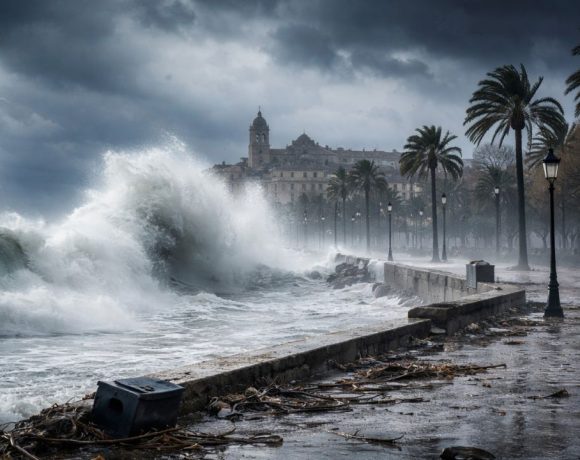
A 46-year-old woman has died in Barcelona after being struck by debris from a warehouse roof torn off by powerful winds, as the eighth major storm of the year swept across Spain and Portugal, according to officials. The woman succumbed to her injuries in hospital early Friday. Repeated bouts of heavy rain, strong gales, snow, and thunderstorms have caused widespread damage, forcing mass evacuations and disrupting daily life across the Iberian Peninsula.

Spain’s Agriculture Minister Luis Planas described the succession of storms as “truly extraordinary,” warning that authorities must assess whether such events could become more frequent. Around 14,000 hectares of farmland—including berries, citrus fruits, and olives—have already been damaged. Data from AEMET shows Spain has received 38% more rainfall than average since October, heightening concerns over infrastructure resilience and agricultural losses.

In Portugal, authorities in the historic city of Coimbra warned of possible severe flooding along the Mondego River, with up to 9,000 residents at risk of evacuation as reservoirs neared capacity. Schools and universities were closed, and similar measures were taken in parts of southern Spain, including Andalusia, where thousands have already been displaced. Forecasts also warned of intense rainfall in areas such as Grazalema, underscoring the continued threat of flooding and landslides.

Pic courtesy: google/ images are subject to copyright
featured News Trending

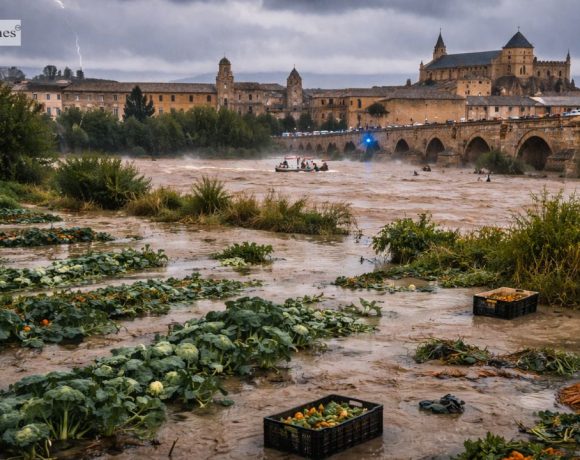
Farmers in Spain have reported catastrophic damage to crops as Storm Marta swept across the Iberian Peninsula, bringing torrential rain, strong winds and flooding. Large swathes of farmland have been submerged, particularly in southern regions such as Andalusia, where growers warned that vegetables including broccoli, carrots and cauliflower have been destroyed. The storm follows a series of extreme weather events in recent weeks that have already left soils saturated and vulnerable.

The severe weather has taken a deadly toll, with a snowplough driver killed in northern Spain after his vehicle plunged down a mountain slope, and a man drowning in Portugal. Authorities said at least five people have died since storms began hitting the region last week. More than 11,000 residents have been evacuated in southern Spain, hundreds of roads have been closed, and rail services in Portugal have faced major disruptions. Preliminary estimates from Portugal’s agriculture ministry put damage to farming and forestry at around €750 million.

Weather agencies warned that conditions could worsen, issuing orange alerts for heavy rain, snow and hazardous coastal conditions. Rising river levels, particularly along the Guadalquivir in Andalusia, have prompted evacuations and raised fears of landslides and ground instability. In Portugal, emergency services have deployed more than 26,000 rescue workers, while authorities postponed voting in several towns due to flooding, as Spain and Portugal brace for further impact from Storm Marta.

Pic courtesy: google/ images are subject to copyright
featured News Trending

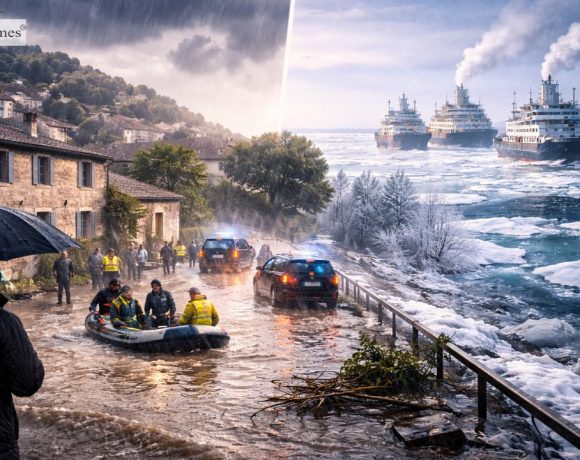
Weeks of persistent wet and cold weather have caused widespread disruption across Europe and north-west Africa. Storm Leonardo forced the evacuation of hundreds of thousands of people in Spain, Portugal, and Morocco, with emergency services and the military assisting residents. In Portugal, the government extended a state of emergency as heavy rain continues, while Storm Marta is expected to bring additional rain, strong winds, and mountain snow to the region.

Southern Europe has experienced record rainfall, with areas like Grazalema in Spain receiving 672mm in just 36 hours, nearly equal to London’s annual rainfall. Flooding has closed over 100 roads and disrupted high-speed rail services, while north-west Africa has seen severe rain and evacuations, especially in Morocco, where more than 140,000 people have been displaced due to overflowing rivers and full dams. Authorities continue to warn residents in flood-prone regions to leave immediately.

Meanwhile, Scandinavia and the Baltic have been gripped by extreme cold due to a persistent high-pressure system over the region. Lithuania recorded -34.3°C, while northern Sweden experienced its second coldest January on record. This high-pressure area has blocked milder Atlantic weather, leading to ongoing floods in southern Europe and freezing temperatures in the north. The pattern is expected to continue, with the possibility of cold air spreading further west, bringing frost, ice, and snow to other parts of Europe.

Pic courtesy: google/ images are subject to copyright

Global Climate News Trending

New data strongly suggests that 2023 will undoubtedly be the warmest year on record, marked by deadly heatwaves, floods, and fires. The EU’s climate change service reports that global average air temperatures in October 2023 were 0.4C higher than the previous record set in 2019, making it the fifth consecutive month of record warmth. Researchers predict that extreme global temperatures will persist into 2024.

This year has already seen numerous records shattered, with July potentially being the hottest month in 120,000 years and September surpassing the previous record by an astonishing 0.5C. Although October wasn’t as scorching as September, it still set a new record for the month by a significant margin of 1.7C compared to the pre-industrial average.

Multiple scientific organizations, including Copernicus, NOAA, and Berkeley Earth, assert that there is a more than 99% probability that 2023 will go down as the warmest year on record. Climate scientist Zeke Hausfather from Berkeley Earth emphasizes the persistent trend of record-setting months, indicating no sign of reversal.

While the scientific implications of these unprecedented temperatures are alarming, the real-world consequences are even more concerning. Dr. Friederike Otto from Imperial College London highlights the human suffering, including thousands of deaths, displacement, and livelihood losses, caused by extreme heatwaves and droughts exacerbated by these extraordinary temperatures.

The primary driver of this heatwave is the continuous release of carbon dioxide from burning fossil fuels. This year’s rise in temperatures is further compounded by the emergence of an intense El Niño event, causing warm waters to surface in the eastern Pacific Ocean and release additional heat into the atmosphere. Researchers are still uncertain about the nature of this particular El Niño event, as it appears to deviate from previous occurrences and may be contributing to greater ocean surface heating compared to past El Niño events.

Picture Courtesy: Google/images are subject to copyright

News Trending

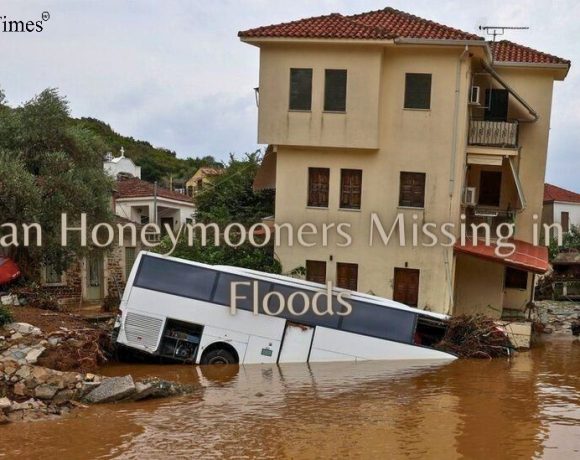
An Austrian couple celebrating their honeymoon in Greece has gone missing as heavy rains caused devastating floods, prompting a search operation by emergency services. The torrential downpour led to entire villages in central Greece being submerged, leaving residents stranded on their rooftops. Storm Daniel, affecting Greece, Turkey, and Bulgaria this week, has claimed the lives of over a dozen people.

The newlyweds, who had recently tied the knot upon arriving for their vacation, sought refuge in a bungalow they had rented in Potistika, near Mount Pelion, as the relentless rain battered central Greece. Unfortunately, the flash floods carried their rented house into the sea. The property’s owner, Samaras Thanakis, recounted advising the couple and other guests to seek higher ground, but the dire situation made decisions challenging.

Rescue efforts, hindered by collapsed bridges and damaged roads in the region, are ongoing, with the Greek fire brigade actively searching for the missing couple. Some areas in Greece received an astounding 800mm of rain, equivalent to a year’s worth of precipitation in just a few days. The Karditsa plain turned into a vast expanse of water, submerging villages near Palamas.

Palamas’ mayor, Giorgos Sakellariou, made a desperate plea for assistance on Greek television, highlighting the dire conditions and immediate danger residents faced. The extreme weather also affected Athens, the island of Skiathos, where numerous tourists remain stranded, as well as coastal regions around Volos and Pelion. In response to the escalating crisis, Prime Minister Kyriakos Mitsotakis canceled a major government event scheduled for the weekend.

Storm Daniel’s impact has been felt across the region, with Greece, Turkey, and Bulgaria collectively witnessing a death toll of over a dozen people, including at least four in Greece. Climate scientists have emphasized that global warming contributes to increased summer evaporation, leading to more intense storms.

Picture Courtesy: Google/images are subject to copyright

News Trending

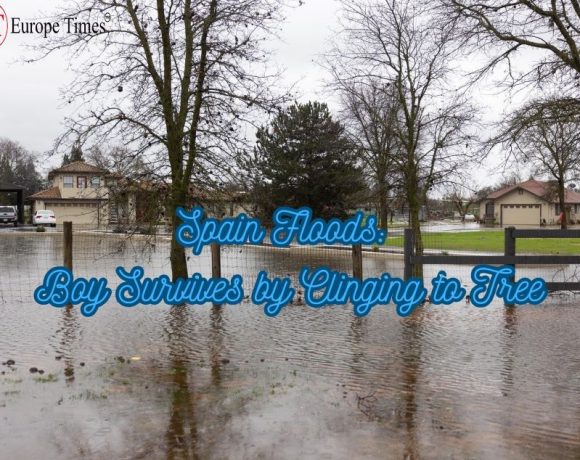
A young boy in Spain managed to survive a deadly flood by climbing a tree and holding on throughout the night. His family’s car had been swept away into a river, and tragically, his father remains missing. The 10-year-old is now receiving treatment for hypothermia, as reported by Spanish media.

The devastating floods, caused by record rainfall, have resulted in at least three fatalities and the disappearance of three others in central Spain, according to police. Regions southwest of Madrid were particularly hard-hit, with bridges destroyed and roads transformed into muddy rivers.

The boy’s family was attempting to escape the floodwaters in a rural part of the affected area when their car was swept into the river, explained Isabel Díaz Ayuso, the head of the Madrid region. The young boy spent the entire night clinging to a tree for survival.

While the boy’s mother and sister have been located, rescue efforts are still underway to find his missing father near Aldea de Fresno, one of the three individuals swept away by the heavy rainfall, according to the civil guard police force.

Additionally, three deaths have been confirmed in the Toledo region, situated southwest of Madrid, due to the storm, as stated by the civil guard.

The Spanish weather service, Aemet, recorded record-breaking rainfall of 9cm (3.5in) in the region on Sunday.

Efforts to clean up the aftermath of the floods are ongoing, with residents working to remove mud and debris left in their wake. Regional administrations in Madrid and Castilla-La Mancha have requested that the federal government declare the affected areas as “catastrophe zones,” which would provide government funding for repairing damaged buildings.

In a first-time move, emergency text messages and loud alarms were used to warn residents about the storm on Sunday, and authorities credit people adhering to advice to stay at home and leave their vehicles behind for helping rescue services manage the thousands of calls they received.

This disaster in Spain follows an intense summer heatwave, with climate scientists warning that global warming leads to more water evaporation during the summer, resulting in more severe storms.

Picture Courtesy: Google/images are subject to copyright

News Trending

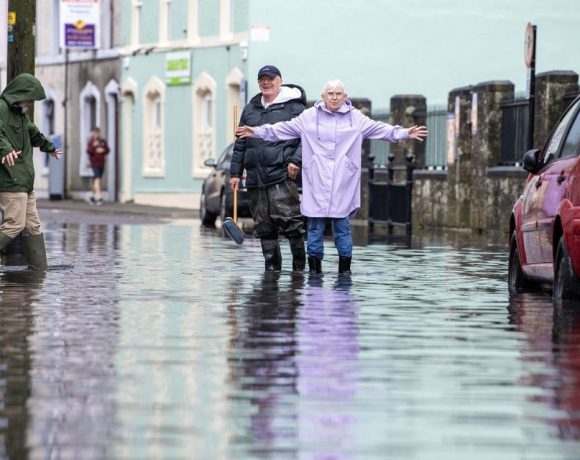
Central Europe, including Germany, Austria, and Switzerland, has been hit by severe storms and heavy rainfall, leading to significant damage and disruptions. Many towns and cities in the region have experienced torrential rain, causing floods and forcing the closure of numerous roads.

The rail traffic has also been affected, with the Hamburg-Berlin line and a major north-south line between Kassel and Goettingen being closed due to storm damage. Switzerland has also faced thunderstorms, resulting in numerous calls to the fire department.

Strong winds reaching speeds of up to 135 km/h have uprooted trees, damaged roofs, and street infrastructure, although no casualties have been reported. Austria has witnessed several landslides that have affected homes, and the state of Carinthia experienced large hailstones of up to 8 centimeters in diameter, causing significant damage to crops.

Videos circulating on social media show violent storms and flooded streets, including the complete submersion of the forecourt and road in front of the Kassel-Wilhelmshöhe ICE train station.

Picture Courtesy: Google/images are subject to copyright

News Trending

More than 20 rivers in Italy have overflowed, resulting in the deaths of nine individuals and the displacement of 13,000 residents after six months’ worth of rainfall occurred within a day and a half. The flooding impacted nearly every river between the north-east coast at Rimini and the city of Bologna, spanning a distance of 115 kilometers (70 miles).

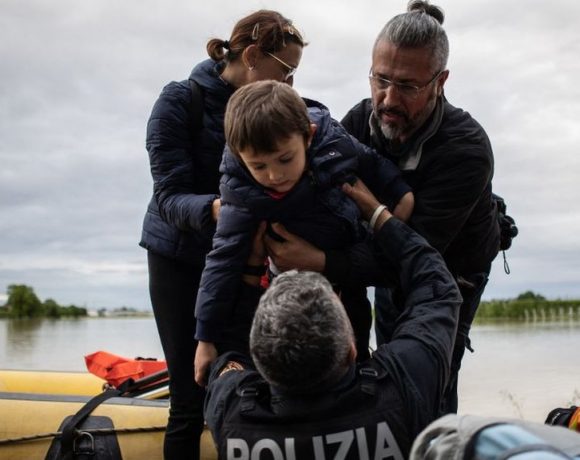
Approximately 280 landslides occurred, prompting additional evacuations. Residents described the situation as a devastating 48 hours, with water and mud engulfing their villages. Emergency responders assisted in the evacuation efforts, even rescuing a 97-year-old woman from her bedroom using a rubber dinghy.

The Emilia-Romagna Grand Prix at Imola was canceled due to the risk of flooding from the nearby Santerno river. In Ferrara, a Bruce Springsteen concert was set to proceed despite the regional disaster, drawing criticism from some individuals who believed it was inappropriate given the circumstances. The events have prompted calls for a national plan to address the impacts of climate change in Italy.

The country’s Civil Protection Minister emphasized the need for improved hydraulic engineering and the construction of regional dams. The government, led by Prime Minister Giorgia Meloni, has scheduled a crisis meeting to address the situation.

Picture Courtesy: Google/images are subject to copyright