
featured News Trending

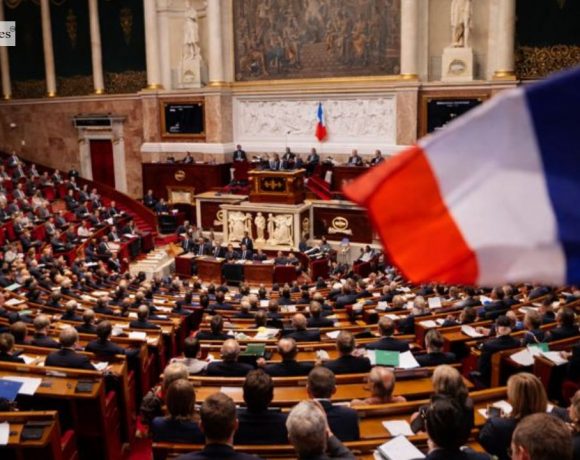
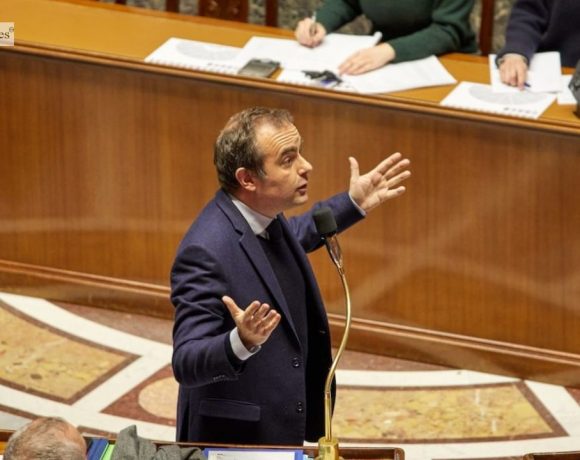
France’s 2026 budget has finally been approved after two no-confidence motions failed in the National Assembly, bringing an end to months of political uncertainty. Prime Minister Sebastien Lecornu, leading a weak minority government, secured the passage of the budget with targeted concessions to Socialist lawmakers, including delaying an unpopular pension reform. Lecornu emphasized that the budget reins in public spending without raising taxes for households or businesses.

The delayed budget, which had unsettled markets and alarmed European partners, now provides a period of stability ahead of the 2027 presidential election. Despite a still-high deficit of 5% of GDP, investor confidence has improved, and the French debt risk premium has returned to pre-election levels. Lecornu’s flexibility and compromise have preserved Macron’s legacy of attracting foreign investment.

With domestic reforms largely stalled, President Emmanuel Macron is now focusing on foreign policy, including reducing Europe’s dependency on foreign powers and addressing trade disputes with the U.S. Meanwhile, the centrist bloc faces uncertainty with no clear successor, while former prime ministers Edouard Philippe and Gabriel Attal, along with Lecornu, position themselves for the upcoming presidential race.

Pic courtesy: google/ images are subject to copyright
featured News Trending

French Prime Minister Sebastien Lecornu announced that he will use Article 49.3 of the Constitution to pass the 2026 budget without a parliamentary vote, after securing enough support to survive an expected no-confidence motion. Lecornu expressed regret for going back on his previous promise to avoid this procedure but said it was necessary to finalize the centrist government’s deficit-cutting budget. The lower house is expected to approve the income side of the legislation before it moves to the Senate.

To gain Socialist backing while keeping conservatives from opposing, the government has increased support for low-income households, extended affordable university meals, and promised more affordable housing. Measures to fund these initiatives include extending a corporate surtax on large companies, projected to raise €8 billion. Socialist leader Boris Vallaud indicated that these concessions might prevent the need for a no-confidence vote.

France has faced political instability over the budget, losing two governments and risking a snap election. While neither major party is fully satisfied with the proposals, they are reluctant to trigger early elections ahead of the presidential vote. Hard-left France Unbowed has promised to file a no-confidence motion, though analysts say the final budget, with higher taxes and increased spending, may weigh on investment and economic growth in 2026.

Pic courtesy: google/ images are subject to copyright
featured News Trending

German investor confidence jumped sharply in January to its highest level since August 2021, according to the ZEW economic research institute, signalling rising optimism about Europe’s largest economy. The ZEW expectations index climbed to 59.6 points, far exceeding market forecasts of 50.0 and up from 45.8 in December, as investors grew more hopeful that 2026 could mark a turning point for Germany.

Economists attributed the improved sentiment partly to the government’s expansive fiscal package, which includes higher public spending on defence and infrastructure aimed at reversing the economic slowdown. While expectations improved, ZEW President Achim Wambach cautioned that reforms are still needed to enhance Germany’s attractiveness as a business location and ensure sustainable long-term growth.

Despite the upbeat mood, risks remain. Trade tensions, particularly concerns over potential U.S. tariffs on German and other European exports, could weigh on the outlook. The ZEW’s assessment of the current economic situation improved but stayed deeply negative, highlighting that while confidence is recovering, Germany’s economy is not yet out of the woods.

Pic courtesy: google/ images are subject to copyright

News Trending

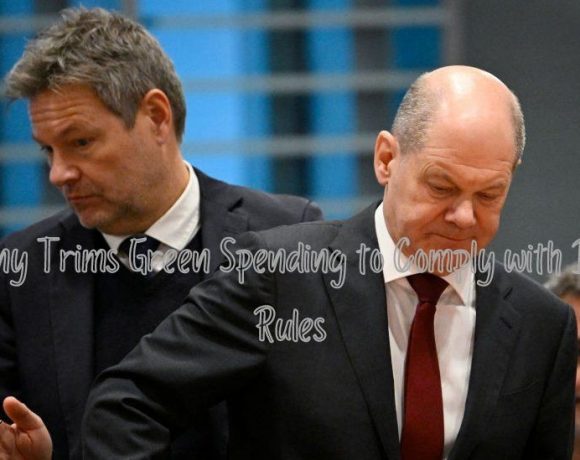
German Chancellor Olaf Scholz has announced that his coalition reached an agreement on the budget following a month of crisis talks. The decision comes after Germany’s constitutional court declared next year’s budget illegal for violating laws on new borrowing. The government plans to adhere to low deficit commitments by cutting certain green subsidies, including ending solar energy and electric car subsidies earlier than initially planned.

Last month, the constitutional court ruled that the 2024 budget violated a clause prohibiting Germany from running a deficit exceeding 0.35% of GDP. Although the deficit was a small portion of total spending, around €17bn or 3.8% of the €450bn budget, negotiations to address the gap were challenging. The coalition parties disagreed on whether to cut spending or suspend debt rules for the fifth consecutive year.

Ultimately, the coalition agreed to reduce subsidies for green energy, construction, and transportation spending. Chancellor Scholz emphasized that the government remains committed to its environmental goals but acknowledged the need to achieve them with reduced funding. The cuts will accelerate the phase-out of subsidies for electric car purchases and solar energy infrastructure, as well as change the funding structure for Germany’s railways.

Reduced spending on the electrical grid will lead to higher electricity costs for consumers. However, approximately €3bn in subsidies to polluting industries will be cut, and the carbon emission prices for companies will increase, partially offsetting the environmental cutbacks.

While the German government, a major supporter of Ukraine in Europe, assured that support for Ukraine would remain unaffected, it will send about €8bn in aid next year. All three coalition parties claimed victories in the spending agreement, with the Social Democrats limiting cuts to the welfare state, the Free Democrats preventing new borrowing, and the Greens asserting that core environmental aims are maintained despite some rolled-back schemes.

Germany’s political culture strongly opposes debt and deficits, with an aversion to high spending. However, some economists argue that this aversion has resulted in persistent underinvestment in crucial infrastructure. Despite this, Germany has one of the lowest public debts among major developed countries.

Picture Courtesy: Google/images are subject to copyright