

featured News

The Faroe Islands has voted to legalise abortion up to the 12th week of pregnancy, ending one of Europe’s most restrictive abortion laws. The new legislation, passed in a tight 17–16 vote after intense debate, replaces rules dating back to 1956 that allowed abortions only in exceptional circumstances such as rape, incest, serious fetal abnormalities or risks to the woman’s health.

Supporters of the reform, including MP Ingilín Didriksen Strømm, described the decision as historic, saying it finally ensures women’s autonomy and access to safe healthcare. Human rights groups such as Amnesty International also welcomed the change, noting that many Faroese women previously had to travel to Denmark—where abortion is legal up to 18 weeks—for the procedure due to strict local laws and social stigma.

While pro-choice advocates celebrated what they call a major step forward, conservative opponents argued that fetal rights must be protected and suggested efforts may be made to reverse the law in the future. The reform marks a significant cultural shift for the small, traditionally conservative archipelago of 56,000 people, where past attempts to liberalise abortion policy have repeatedly failed.

Pic courtesy: google/ images are subject to copyright
News Trending

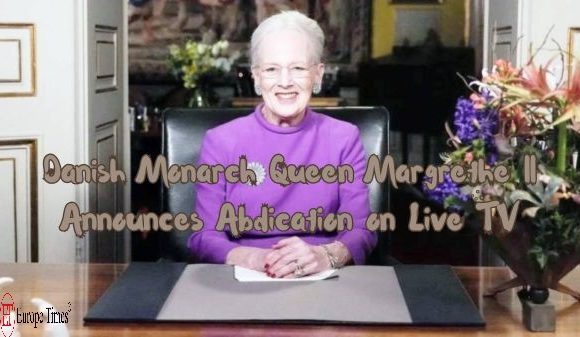
Denmark’s Queen Margrethe II has surprised the nation by announcing her abdication in a New Year TV address after 52 years on the throne. The 83-year-old monarch, the world’s only reigning queen and Europe’s longest-serving current monarch, will formally step down on January 14, passing the throne to her son, Crown Prince Frederik.

Unlike the British royal tradition, there will be no formal crowning ceremony for Crown Prince Frederik, who is 55. Instead, his accession will be announced from Amalienborg Castle in Copenhagen on the day. He will become King of Denmark, head of state in the constitutional monarchy, and also assume these roles in Greenland and the Faroe Islands. His Australian-born wife, Princess Mary, will take on the title of Denmark’s Queen Consort.

Queen Margrethe revealed that her decision to abdicate came after a period of reflection following back surgery in early 2023. She expressed gratitude to the Danish public for their support over the years. Prime Minister Mette Frederiksen also thanked the queen for her lifelong dedication and tireless efforts for the Kingdom.

Queen Margrethe, a popular figure in Denmark, was not expected to abdicate, and many Danes anticipated her remaining on the throne until her death. Affectionately known as Daisy, she attended the funeral of Queen Elizabeth II in 2022, and both queens celebrated their respective jubilees in the same year.

Crown Prince Frederik, known for his environmental passion, is set to guide Denmark into the future. His wife, Princess Mary, an Australian lawyer, will become Denmark’s Queen Consort. The Danish royal family, facing challenges of modern society, has decided to streamline its members, resulting in a public rift last year when Prince Joachim’s children were stripped of their royal titles. The transition marks a moment of mixed celebration and sadness for Denmark as they bid farewell to Queen Margrethe and welcome the new era under Crown Prince Frederik’s reign.

Picture Courtesy: Google/images are subject to copyright