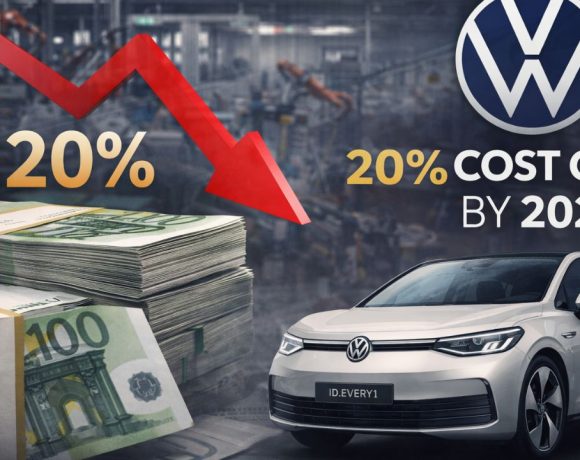
Volkswagen AG plans to cut costs by 20% across all its brands by the end of 2028, according to a report by Manager Magazin. The move comes as Europe’s largest carmaker grapples with rising production expenses, stiff competition in China, and the impact of U.S. tariffs. CEO Oliver Blume and CFO Arno Antlitz reportedly presented a sweeping savings strategy to top executives at a closed-door meeting in Berlin last month.
A company spokesperson said Volkswagen has already achieved double-digit billion-euro savings through a group-wide efficiency programme launched three years ago. However, details on where further cuts will be made remain unclear, with potential plant closures reportedly discussed. The company’s works council chief, Daniela Cavallo, pointed to a 2024 agreement that ruled out plant closures and operational layoffs, stressing that competitiveness measures would be implemented with socially responsible safeguards.
Volkswagen is also in the process of cutting 35,000 jobs in Germany by 2030, while its core brand aims to streamline management and consolidate production platforms to save around 1 billion euros. German carmakers, including Mercedes-Benz Group AG, face mounting pressure from price wars in China and the costly transition to electric vehicles, even as they pledge long-term commitments to efficiency and low-emission mobility.
Pic courtesy: google/ images are subject to copyright