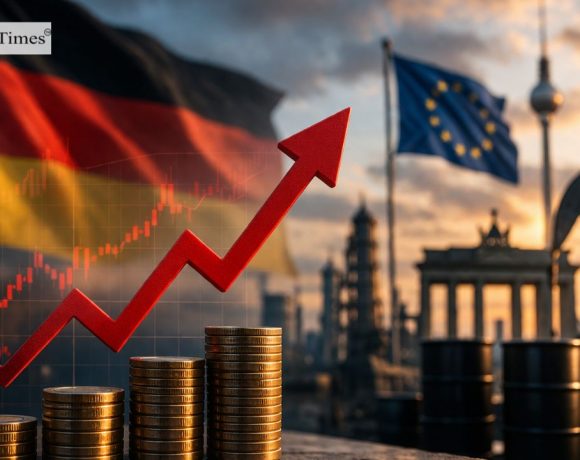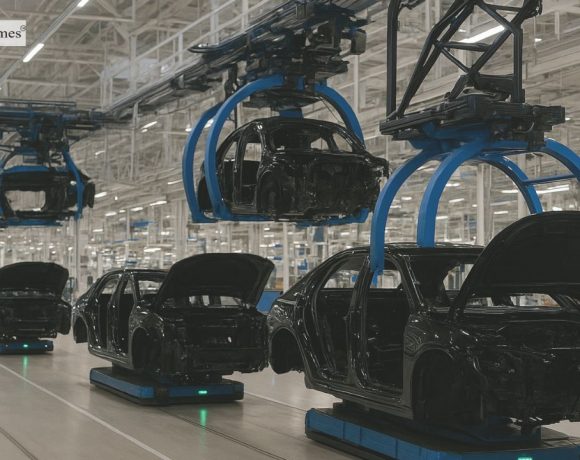
Euro zone manufacturing activity expanded at its fastest pace in nearly four years in March, according to a survey by S&P Global, with the Manufacturing Purchasing Managers’ Index rising to 51.6 from 50.8 in February. While the headline figure signaled growth, analysts noted that supply chain disruptions linked to the Middle East conflict temporarily inflated output figures. As reported by Reuters, delays in supplier deliveries and logistics bottlenecks contributed to the uptick, masking underlying weak demand conditions.
The ongoing geopolitical tensions have significantly impacted manufacturing costs, with input price inflation climbing to its highest level since October 2022. Joe Hayes highlighted that rising oil and energy prices, combined with disrupted maritime logistics, are placing renewed pressure on producers. Although production increased for the third consecutive month and export orders stabilized after prolonged contraction, demand growth remained modest, and firms continued to cut jobs at an accelerated pace.
Despite some positive signals—such as rising backlogs and improved output—business confidence slipped to a five-month low as uncertainty persists. Among major economies, Germany and Italy recorded strong recoveries, while Spain remained in contraction and France showed stagnation. With manufacturers passing on rising costs to consumers at the fastest rate in over three years, concerns are mounting that inflationary pressures could weaken the euro zone’s global competitiveness and derail its fragile recovery.
Pic Courtesy: google/ images are subject to copyright