featured News Trending

Telegram founder Pavel Durov has criticised proposed social media restrictions in Spain, saying they amount to censorship and excessive state control. In a message to Telegram users, Durov warned that plans by Prime Minister Pedro Sanchez to restrict access for under-16s and tighten hate speech laws would force platforms to collect user data and remove content to avoid prosecution.

Durov said the proposed legislation, which would criminalise algorithms seen as amplifying harmful content, could allow governments to control what users see online. Calling the measures a step “toward total control,” he accused authorities of using safety concerns as a pretext to silence critics. His remarks echoed criticism from Elon Musk, who has also condemned the Spanish government’s proposals.

Spain’s government defended the plans, arguing they are needed to protect minors and curb misinformation. Sanchez’s office accused Durov of abusing his control over Telegram by sending mass messages to Spanish users and spreading propaganda. The proposals are part of a broader European push to regulate social media, following similar debates in countries such as Britain, France and Greece, and Australia’s recent ban on social media use for children under 16.

Pic courtesy: google/ images are subject to copyright
featured News Trending

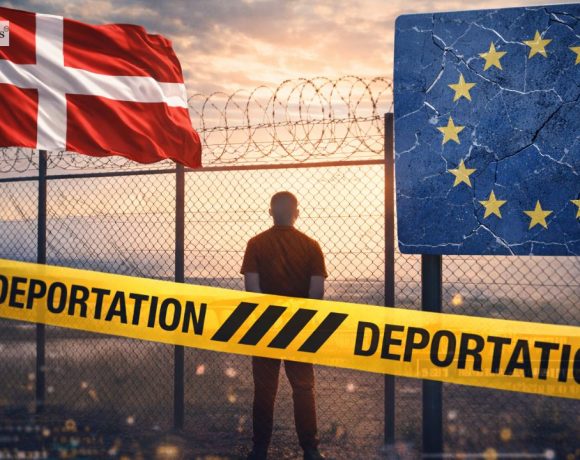
Denmark’s government said on Friday it will introduce tougher deportation laws aimed at making it easier to expel foreign nationals, including criminals, even if the move risks conflict with the European Court of Human Rights. The announcement comes amid a broader hardening of attitudes across Europe toward migration and asylum, with several governments expressing frustration over court rulings that have blocked deportations.

Prime Minister Mette Frederiksen said her coalition government would move ahead without waiting for changes in how the European Convention on Human Rights is interpreted, arguing that Denmark’s approach reflects the intent of many countries signed up to the convention. Facing mounting pressure from nationalist and anti-immigration parties ahead of an election due by October, Frederiksen acknowledged the reforms could prompt legal challenges.

The proposed measures, expected to take effect from May if approved, include stricter deportation rules for foreign nationals convicted of serious crimes, electronic tagging for migrants who breach reporting requirements, and the appointment of a deportation envoy. Denmark also plans to reopen its embassy in Syria, review refugee permits more aggressively, and explore establishing an EU reception centre outside the bloc, reinforcing the country’s long-standing tough stance on immigration.

Pic courtesy: google/ images are subject to copyright