
featured News Trending

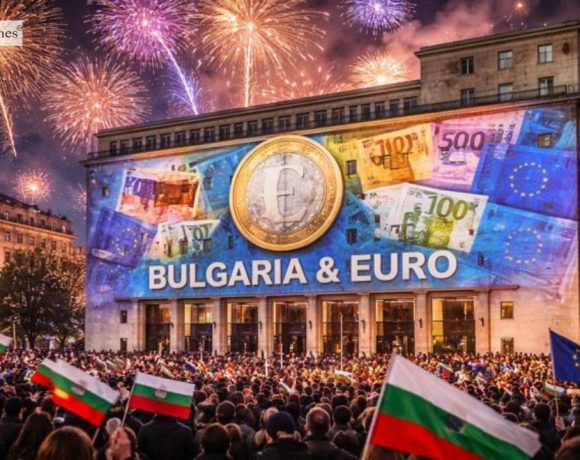
Bulgaria officially joined the euro zone on Thursday, marking a historic shift as the euro replaced the lev as the country’s currency from midnight. Celebrations took place across the capital Sofia, with euro coin projections lighting up the central bank’s facade and fireworks welcoming the milestone. Bulgaria becomes the 21st member of the euro area, increasing the number of Europeans using the common currency to over 350 million.

The move grants Bulgaria a seat on the European Central Bank’s Governing Council, allowing it to participate directly in euro zone monetary policy decisions. Successive governments have pursued euro adoption since Bulgaria joined the European Union in 2007. While public opinion remains divided, businesses have largely backed the transition, citing easier trade, travel and financial stability within the EU.

Many citizens expressed cautious optimism, saying the currency change would simplify travel and everyday transactions. However, concerns remain among some Bulgarians about potential price rises and broader political instability, following the government’s recent resignation amid protests over proposed tax hikes. Despite these worries, officials say euro adoption represents a major step toward deeper European integration.

Pic courtesy: google/ images are subject to copyright
featured News

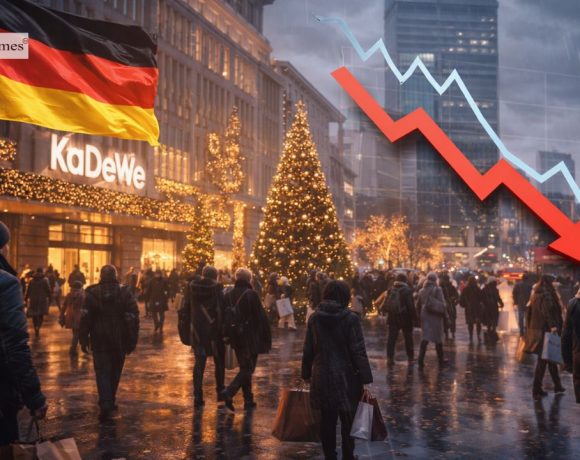
German business sentiment unexpectedly weakened in December, highlighting ongoing struggles in Europe’s largest economy, according to a survey released by the Ifo Institute. The Ifo business climate index fell to 87.6 from a slightly revised 88.0 in November, defying expectations of a rise to 88.2. Commenting on the data, Ifo survey head Klaus Wohlrabe said the year was ending without any positive surprises for the German economy.

Economists said the latest reading reinforces concerns that Germany remains stuck in stagnation after two years of contraction, with only modest growth expected. Analysts noted that the decline aligns with recent drops in purchasing managers’ indexes and indicates that a long-anticipated recovery has yet to take hold. Fiscal stimulus measures announced by the government have so far failed to deliver a meaningful boost, partly due to delays in infrastructure spending and rising costs linked to an ageing population.

Outlook indicators also pointed to growing pessimism among companies for the first half of 2026, while assessments of the current situation remained unchanged. Ifo President Clemens Fuest said the year ended without renewed confidence, and economists added that the lack of broad-based economic reforms has weighed on sentiment. Chancellor Friedrich Merz has pledged further reforms, but businesses remain cautious as tangible policy action has yet to materialise.

Pic courtesy: google/ images are subject to copyright