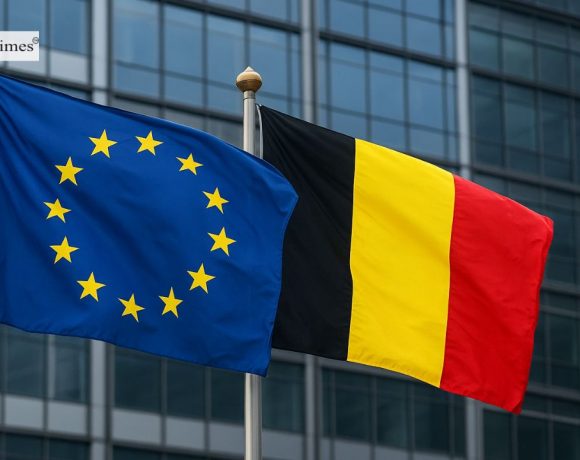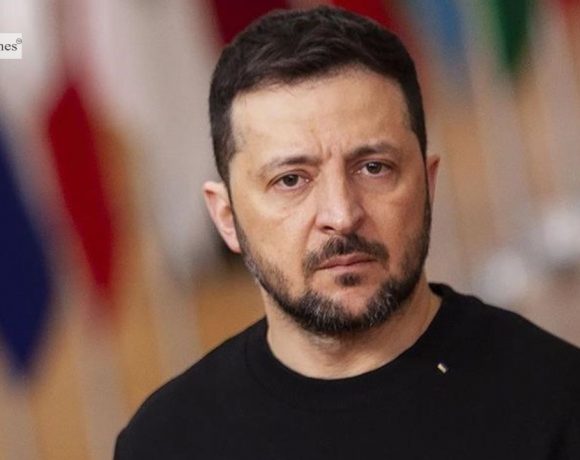
Ukrainian President Volodymyr Zelensky has warned that Ukraine faces a severe financial crisis unless the European Union agrees to loan billions of euros from frozen Russian assets to support Kyiv’s military and economy. Speaking in Brussels as EU leaders gathered for a critical summit, Zelensky said a positive decision was essential, noting that without additional funding Ukraine’s finances could run dry within months. Around €210bn of Russian assets are frozen in the EU, most of them held in Belgium through financial services firm Euroclear.
The European Commission has proposed loaning Ukraine about €90bn over the next two years using these frozen assets, arguing it would strengthen Kyiv’s position both on the battlefield and in ongoing peace talks. Supporters believe the move would also send a strong signal to Moscow that continuing the war is futile. However, Belgium and several other EU members remain cautious, citing legal and financial risks, while Hungary has openly opposed any further EU funding for Ukraine.
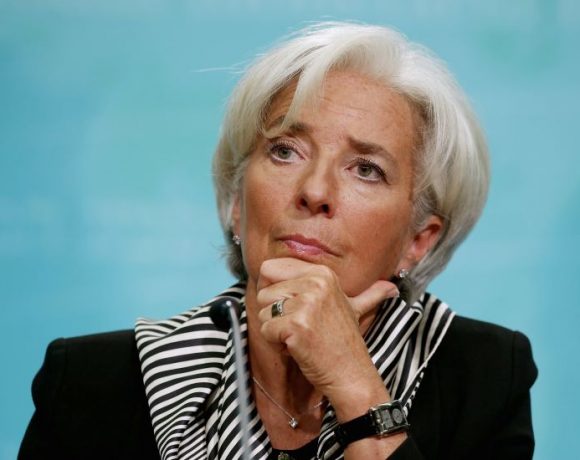
As discussions continue, EU leaders are under pressure to find consensus, with Commission President Ursula von der Leyen insisting a solution must be reached. While some countries are willing to provide guarantees to address Belgium’s concerns, doubts remain over the legal basis and potential consequences if courts later order the money returned to Russia. Despite the uncertainty, EU officials stress that the coming hours are decisive for Ukraine’s ability to sustain its war effort or prepare for recovery.
Pic courtesy: google/ images are subject to copyright