featured News

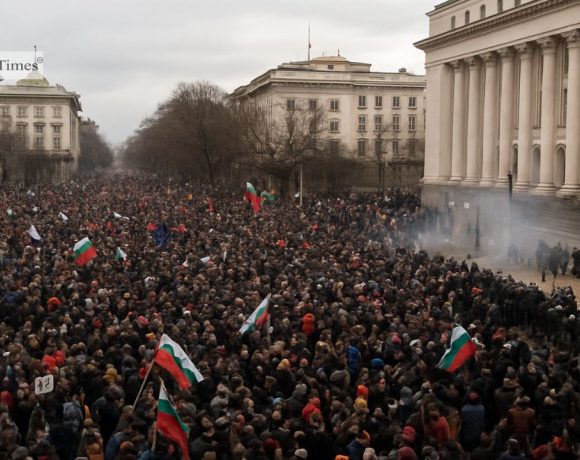
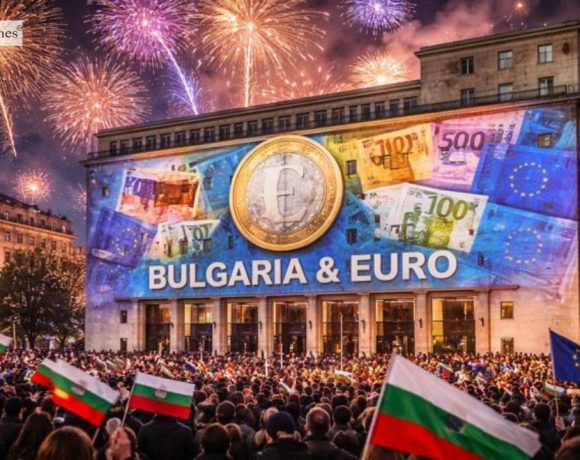
Thousands of Bulgarians gathered once again across Sofia and several other cities, demanding the resignation of Prime Minister Rosen Zhelyazkov’s minority government. Demonstrators accuse the leadership of failing to address widespread corruption and mismanaging key national issues as the country prepares to adopt the euro on January 1. Protesters projected messages like “Resignation” and “Mafia Out” onto the parliament building, signalling growing public frustration.

Despite the government’s decision to withdraw its 2026 draft budget—originally planned in euros—protests have intensified. Critics say the budget would have raised social security contributions and taxes on dividends to fund increased state spending. With Bulgaria experiencing deep political divisions and seven national elections in four years, many citizens insist that true reform must begin with fixing the judicial system.

The pressure mounts ahead of a no-confidence vote in parliament, the sixth attempt to challenge the government since January. Political leaders remain divided: while ruling coalition members vow to stay until eurozone entry, opposition groups say Bulgaria can join the euro even if the government steps down. Protest organisers argue it is time for the country to break free from oligarchic influence and restore normalcy to its political landscape.

Pic courtesy: google/ images are subject to copyright
featured News

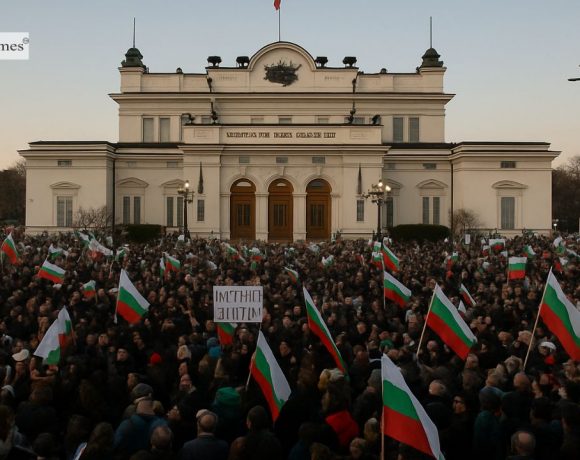
Thousands of demonstrators gathered in Sofia and several other Bulgarian cities on Monday to protest the government’s proposed 2026 budget—the first drafted in euros ahead of the country’s planned adoption of the common currency on January 1. The protests, organised by the opposition PP-DB coalition, saw crowds rally outside parliament, where some participants clashed with police and threw stones, bottles and firecrackers. Officers cordoned off buildings linked to the ruling parties to contain the unrest.

The demonstrations follow a similar wave of protests on November 28, after which the minority government led by Rosen Zhelyazkov agreed to re-submit the draft budget for further consultations. The spending plan had already passed a first reading in a parliamentary committee earlier in November. Critics argue the proposed increases in social security contributions and taxes on dividends are unjustified and accuse the government of mismanaging public funds.

Public concern has also grown over Bulgaria’s upcoming transition to the euro. Nearly half the population opposes the move, citing fears over national sovereignty and potential price hikes during the currency changeover. European Central Bank President Christine Lagarde recently cautioned that inflation may rise when Bulgaria joins the eurozone.

Pic Courtesy: google/ images are subject to copyright